
 معاينة الحجم الواقعي
 إرسال
إرسال مشاركة
 عرض التفاصيل
 دليل الأعمال الفنية للطلاب

 تحميل
تحميل
 قطع مشابهة
 الأشعة السينية
 عرض شرائح متتابع
 الإحصائيات
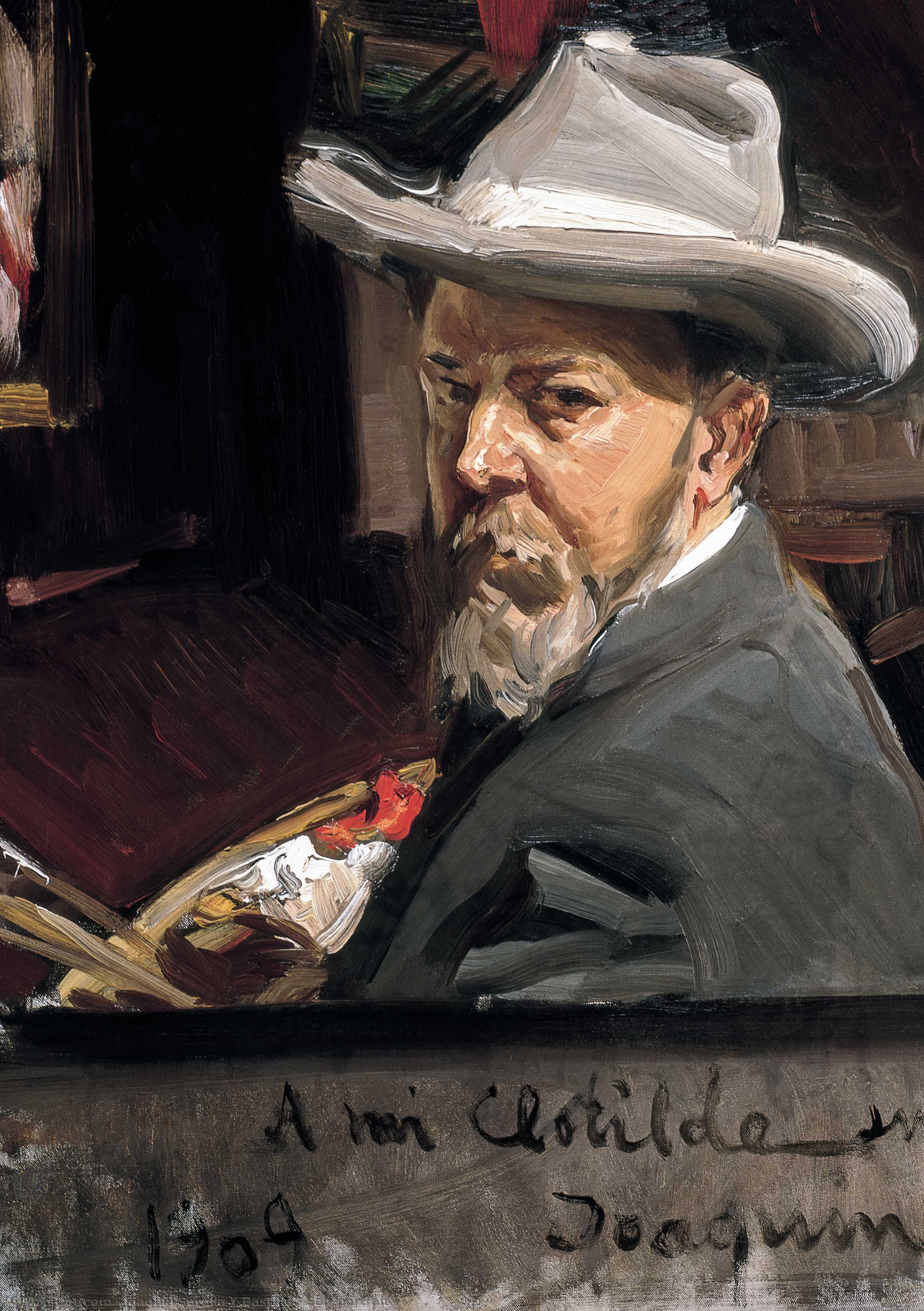
Self-portrait


 اقرأ المزيد
نسخة زيتية مصنوعة يدوياً
لوحة زيتية مرسومة يدوياً على الكانفاس بالمقاس والإطار الذي تفضله، تُنفذ حسب الطلب على أيدي فنانينا. ( التبديل إلى المطبوعات التحويل إلى الصورة الرقمية)




P118B E£10

P118H E£10

P118W E£10

P438Z E£10

P508JH E£12

P508YH E£12

P805H E£10

P805Z E£10

P919BZ E£10

P919G E£10

P919XJ E£10

P959ZH E£10

P968JZ E£12

W106C E£8

W218G E£10

W218JH E£8

W218Y E£10

W307PJ E£10

W316G E£10

W316PJ E£8

W316Y E£10

W398PJ E£8

W4111J E£10

W500HY E£15

W500JH E£15

W692G E£12

W849H E£8

W940BG E£15

W953PJ E£8




اختر من بين أحجامنا المُعدّة مسبقاً والتي تتوافق مع النسب الأصلية للعمل الفني.

أدخل العرض والارتفاع اللذين تحتاجهما، ليتناسب العمل مع إطارك أو جدارك. وبما أن هذه اللوحة مرسومة يدوياً، ففي حال اختيار مقاس بشكل مختلف، يمكن للفنان رسم مساحة إضافية حول الصورة أو تقليصها قليلاً — الخيار لك. سنرسل لك نموذجاً رقمياً تجريبياً لاعتماده قبل البدء في الرسم. علماً بأن الصورة المعروضة في هذه الصفحة لا تعكس النتيجة النهائية الحقيقية — فالنموذج التجريبي هو الوحيد الذي يوضح ذلك بدقة.
بعد إتمام الطلب، سيرسل فريق OriginalUniqueArt.com بريداً إلكترونياً للعميل لطلب التعليمات وتزويده بمعاينة تجريبية (mockup).
توصيل عالمي إلى خلال 3 إلى 4 أسابيع بدلاً من المدة المعتادة البالغة 5 أسابيع. (23 أكتوبر). جودة لا تهاون فيها.

شحن سريع ومجاني لجميع أنحاء العالم

قماش كتان فاخر

تأمين شامل على الشحن

ضمان استرداد الرسوم الجمركية

ضمان دقة مطابقة الألوان

سياسة الإرجاع خلال 100 يوم (في حالات العيوب فقط)

ضمان استرداد نقدي بنسبة 100%

عرض خصم الكميات
 خيار الزجاج متاح فقط للمقاسات التي تقل عن 110 سم

Self-portrait
وسيط إعادة الإنتاج
مقاس النسخة المطبوعة
-


إجمالي السعر
E£ 15509
A Portrait of Resilience: Joaquín Sorolla’s ‘Self-Portrait’
Joaquín Sorolla y Bastida's 1909 self-portrait is more than just a likeness; it’s a potent distillation of the artist’s life, his spirit, and the very essence of Spain itself. Painted during a period of immense personal upheaval – following the death of his wife and child – this work reveals a profound sense of melancholy tempered by an unwavering gaze and a quiet dignity. The image depicts Sorolla himself, a man defined by his iconic cowboy hat, seated before a simple table laden with a bottle, instantly conjuring images of the Spanish countryside and a life lived outdoors. His hand rests upon a firearm, not as an instrument of aggression, but perhaps as a symbol of protection or simply a familiar tool of his outdoor pursuits – a reflection of his time spent painting landscapes and capturing the light.
The Radiant Style of Valencian Impressionism
- Technique: Sorolla’s mastery is immediately apparent in his use of *alla prima*, or “at first sight,” a technique where he builds up the painting directly, layer upon layer, without extensive underpainting. This creates an incredible sense of immediacy and vibrancy, particularly evident in the way light dances across the canvas.
- Color Palette: The dominant hues – warm ochres, yellows, and blues – are characteristic of Valencian Impressionism, a movement Sorolla helped pioneer. He expertly employed broken color to capture the shimmering effects of sunlight, creating an almost palpable sense of warmth and atmosphere.
- Brushwork: Loose, expressive brushstrokes contribute significantly to the painting’s dynamism. They aren't meticulously controlled; instead, they convey a feeling of movement and energy, mirroring Sorolla’s own passionate approach to his art.
Symbolism and Context – A Man Defined by Light
The year 1909 was a pivotal one for Sorolla. He had recently returned from Rome, where he'd spent several years studying classical sculpture, but it was back in his beloved Valencia that he truly flourished. The presence of the bottle and the gun speaks to a life lived intensely, a life connected to both leisure and responsibility. The background figure, subtly included, adds another layer of complexity – perhaps representing family or simply the enduring influence of the Spanish landscape. Sorolla’s work during this period is often interpreted as a reflection of his personal struggles, yet it remains remarkably optimistic, imbued with a belief in the restorative power of light and nature.
Emotional Resonance and Artistic Legacy
“Self-Portrait” transcends a simple depiction of an individual; it’s a window into the soul of one of Spain's most beloved artists. Sorolla’s ability to capture both vulnerability and strength, sorrow and resilience, is what makes this painting so enduringly captivating. It exemplifies his signature style – a luminous celebration of Spanish light and life. OriginalUniqueArt offers meticulously crafted hand-painted reproductions that faithfully recreate the brilliance and emotional depth of this iconic work, allowing you to experience Sorolla’s vision firsthand.
الأسئلة والأجوبة
هل يُعرف خوآكين سورولَا ي باستيدَا، مبدع "Self-portrait"، بأسماء أخرى؟
تشمل الأسماء الأخرى المسجلة لـ خوآكين سورولَا ي باستيدَا، مبدع "Self-portrait"، كلاً من خوآكين سورولَا.
ما هو تاريخ إبداع "Self-portrait" للفنان خوآكين سورولَا ي باستيدَا؟
يعود تاريخ إبداع "Self-portrait" للفنان خوآكين سورولَا ي باستيدَا إلى عام 1909.
ما هي الاستخدامات الموصى بها لنسخة مطبوعة من "Self-portrait" للفنان خوآكين سورولَا ي باستيدَا؟
الاستخدام الموصى به لنسخة مطبوعة من "Self-portrait" هو Statement.
نبذة عن الفنان
Joaquín Sorolla y Bastida: A Life Bathed in Light
Joaquín Sorolla y Bastida, a name synonymous with the radiant light and vibrant energy of Spain, was more than just a painter; he was a chronicler of his nation’s soul. Born in Valencia in 1863, Sorolla's early life was marked by tragedy. Orphaned at the tender age of two following a cholera epidemic that claimed both parents, young Joaquín and his sister were raised by their maternal aunt and uncle. This early experience with loss perhaps instilled within him a profound appreciation for the fleeting beauty of life – a sentiment that would permeate his art. Though hardship shadowed his beginnings, it did not dim the spark of artistic talent that quickly became apparent. He received initial instruction in Valencia, demonstrating an aptitude that led to studies under established artists like Cayetano Capuz and José Benlliure, eventually culminating in a four-year grant to study in Rome. It was there, amidst the classical grandeur of Italy, that Sorolla began to forge his unique artistic path, absorbing influences while simultaneously developing a style distinctly his own.Early Life and Artistic Beginnings
Joaquín Sorolla’s formative years were shaped by profound loss and circumstance. Born into a modest Valencian family—his father a tradesman and his mother Concepción Bastida—the sudden demise of both parents at just two years old due to cholera irrevocably altered the trajectory of his life. He and his sister, Concha, found solace in the care of their maternal aunt and uncle, fostering within him an empathy for vulnerability and resilience – qualities that would inform his artistic vision throughout his career. Recognizing his exceptional talent from a young age, Sorolla pursued formal art education at Valencia’s School of Artisans, honing his skills under instructors like Cayetano Capuz and José Benlliure. This early exposure to artistic principles laid the groundwork for his subsequent explorations into diverse styles and mediums. At eighteen he travelled to Madrid where he studied master paintings in the Museo del Prado, absorbing the legacy of Velázquez and other titans of Spanish art.Rome: The Crucible of Style
A pivotal moment arrived when Sorolla secured a prestigious grant enabling him to embark on a four-year residency in Rome—a pilgrimage to the heart of artistic innovation during the Belle Époque. Amidst the monumental sculptures and architectural splendor of the Italian capital, he encountered artists who championed Impressionism and Luminism – movements that profoundly impacted his aesthetic sensibilities. Notably influential were exhibitions featuring Jules Bastien-Lepage and Adolf von Menzel, whose works challenged academic conventions and embraced a more spontaneous approach to representation. Sorolla’s time in Rome solidified his commitment to capturing the ephemeral qualities of light and color—a stylistic hallmark that would define his oeuvre for decades to come. He diligently studied under José Benlliure and Emilio Sala, absorbing techniques and perspectives that broadened his artistic horizons.From Historical Narratives to Sun-Drenched Realism
Sorolla’s initial artistic endeavors leaned toward the grand narratives of history and mythology—large-scale canvases depicting heroic figures and dramatic events. However, a transformative shift occurred upon his return to Spain as he turned his gaze towards the everyday lives of his countrymen—particularly those inhabiting the vibrant coastal region of Valencia. The intense Mediterranean sunlight, the shimmering sea, and the palpable energy of human interaction became Sorolla’s primary subjects—a deliberate rejection of academic formalism in favor of a more immediate and emotionally resonant aesthetic. This stylistic evolution culminated in masterpieces like Sad Inheritance (1899)—a poignant depiction of children afflicted by polio bathing in the sea—which garnered considerable acclaim but simultaneously revealed Sorolla's compassionate engagement with social issues. The painting powerfully conveyed empathy for those marginalized by circumstance, demonstrating Sorolla’s artistic commitment to portraying human experience with sensitivity and nuance.The Luminist Vision: Light as Subject Matter
Sorolla’s technique became instantly recognizable—a bravura display of brushwork characterized by loose, energetic strokes that conveyed movement and atmosphere. He worked *en plein air* whenever possible, confronting the challenges of capturing fleeting light conditions head-on. This dedication to painting outdoors resulted in canvases brimming with life and immediacy—a stylistic decision that distinguished him from many of his contemporaries who favored studio settings. His beach scenes—perhaps his most iconic works—are not merely picturesque representations of leisure; they are studies in luminosity, reflections, and the joyful interaction between people and their environment. Paintings like Children on the Seashore and Sewing the Sail exemplify this mastery—figures bathed in golden light, rendered with a remarkable sense of spontaneity and vitality. Sorolla wasn’t interested in meticulous detail; rather, he sought to convey the *impression* of reality, prioritizing atmosphere and emotion over precise representation. This approach earned him comparisons to Impressionists like Monet and Renoir, but Sorolla's work possessed a unique Spanish character—a warmth, intensity, and emotional depth that set it apart. He achieved remarkable success in his early years, securing prestigious commissions and garnering widespread recognition for his artistic prowess. ## Major Achievements & Recognition- 1892: Gold medal at the National Exhibition in Madrid for Another Marguerite
- 1894: Acclaimed for The Return from Fishing: Hauling the Boat, acquired by the Musée du Luxembourg
- 1899: Grand Prix and medal of honor at the Universal Exhibition in Paris for Sad Inheritance
- 1900-1923: Extensive exhibitions throughout Europe and the United States, establishing international recognition
- 1912-1928: Commissioned to create Vision of Spain for the Hispanic Society of America (completed posthumously)

خوآكين سورولَا ي باستيدَا
1863 - 1923 , إسبانيا
لمحة سريعة
- Artistic Movement Or Style: إمبراسيووني، لومينيسم
- Artists Who Influenced This Artist:
- فرانسيسكو برadilla
- جيولس باستيان ليپاغ
- أدولف فون مينزل
- Date Of Birth: ٢٧ فبراير ١٨٦٣
- Date Of Death: ١٠ أغسطس ١٩٢٣
- Full Name: Joaquín Sorolla y Bastida
- Nationality: إسبانية
- Notable Artworks: ['مارجريت أخرى"، "جلب القارب"، "العائد من الصيد"، "الخادمة البيضاء"، "الأطفال على الشاطئ"، "تثبيت البساط']
- Place Of Birth: فالنسيا، إسبانيا
مقالات ذات صلة

أفضل 10 روائع العصر الذهبي الهولندي: تحف فنية وجماليات منزلية خالدة | OriginalUniqueArt
اكتشف روائع العصر الذهبي الهولندي! استكشف 10 لوحات خالدة لرامبرانت، فيرمير وغيرهم. فن هولندي باروكي، ألوان آسرة وقصص فنية لا تُنسى. احصل على إعادة إنتاج عالية الجودة وتحف فنية لديكور منزلك مع OriginalUniqueArt.com

The Golden Age Reforged: Dramatic Realism & Religious Zeal in Spanish Baroque Art
Explore the dramatic world of Spanish Baroque art! Discover masters like Zurbarán & the powerful influence of religious zeal on painting techniques – a guide for collectors and enthusiasts.

Giclée Prints: Archival Quality & Aesthetic Nuances for the Discerning Collector
Explore the world of giclée prints with OriginalUniqueArt. Learn about archival quality, aesthetic nuances & investment potential. Expert guidance for discerning art collectors seeking museum-quality reproductions and lasting value.
Joaquín Sorolla: Capturing Spanish Light & Life – A Legacy of Impressionism
Explore the luminous world of Joaquín Sorolla, Spanish master of Impressionism. Discover his life, techniques & legacy – a guide for art collectors and enthusiasts. Invest in timeless beauty.

Golden Light & Dutch Skies: The Timeless Magic of Dutch Golden Age Landscapes
Discover the breathtaking beauty of Dutch Golden Age landscapes. Explore the mastery of light, chiaroscuro, and 17th-century realism through an expert art history lens, celebrating the enduring legacy of the Dutch Masters for discerning collectors and art lovers.


