

 معاينة الحجم الحقيقي
 مشاركة
 مشاركة
 التفاصيل

 تحميل الملف
 قطع مشابهة
 الأشعة السينية
 عرض شرائح
 الإحصائيات
الشباك الصيد
 أكريليك على كانفاس
- لوحات جدارية
- Spanish Impressionism
 1893
1893- القرن التاسع عشر
 50.0 x 70.0 cm
 عرض المزيد
نسخة زيتية مصنوعة يدوياً
لوحة زيتية مرسومة يدوياً على الكانفاس بالمقاس والإطار الذي تفضله، تُنفذ حسب الطلب على أيدي فنانينا. ( التحويل إلى المطبوعات الانتقال إلى الصورة الرقمية)




































اختر من بين أحجامنا المُعدّة مسبقًا والتي تتطابق مع النسب الأصلية للعمل الفني.

يمكنك إدخال أبعادك الخاصة لتناسب إطارًا معينًا أو مساحة محددة. وإذا لم يتطابق الحجم الذي اخترته مع نسب الصورة الأصلية، فسنقوم إما بقص العمل الفني أو توسيع اللوحة بإضافة عناصر مرسومة يدويًا. سيتم إرسال نموذج رقمي إليك للموافقة عليه قبل بدء الإنتاج.
يرجى ملاحظة أن المعاينة على الشاشة لا تعكس عملية القص أو التوسيع الفعلية؛ حيث إن النموذج الرقمي وحده هو الذي سيوضح التكوين النهائي بدقة.
وعلى الرغم من توفر أحجام مخصصة، إلا أننا نوصي باختيار أبعاد من القائمة المحددة مسبقًا للحفاظ على النسب الأصلية للعمل الفني.
بعد إتمام الطلب، سيرسل فريق OriginalUniqueArt.com بريداً إلكترونياً للعميل لطلب التعليمات وتزويده بمعاينة تجريبية (mockup).
توصيل عالمي إلى خلال 3 إلى 4 أسابيع بدلاً من المدة المعتادة البالغة 5 أسابيع. (18 سبتمبر). جودة لا تهاون فيها.

شحن سريع ومجاني لجميع أنحاء العالم

قماش كتان عالي الجودة

تأمين شحن شامل

ضمان استرداد الرسوم الجمركية

ضمان مطابقة الألوان الحقيقية

سياسة الإرجاع خلال 100 يوم (في حالات العيوب فقط)

ضمان استرداد نقدي بنسبة 100%

خصم عند طلب عدة قطع
 خيار الزجاج متاح فقط للمقاسات التي تقل عن 110 سم

الشباك الصيد
خامة إعادة الإنتاج
مقاس النسخة المطبوعة
-


السعر الإجمالي النهائي
$ 300
مقدمة: لحظة مشمسة من توشيتشي سورا
توشيتشي سورا يباستيدا – اسم يرتبط بالنور الساطع لشبه الجزيرة الإسبانية – كان أكثر بكثير من مجرد رسام؛ لقد كان سجليًا دقيقًا للروح الوطنية لبلاده. ولد في فالنسيا عام 1863، شهد حياة سورا المبكرة خسائر فادحة بعد وفاة والديه في سن مبكرة، مما زرع بداخله تقديرًا عميقًا للجمال العابر وقيمة الاتصال الإنساني. أثرت هذه الحساسية بعمق على رؤيته الفنية، مما دفعه إلى التقاط لحظات من intimacy هادئة ببراعة لا مثيل لها في النور واللون. "شبكات الصيد"، التي تم إنشاؤها عام 1893، تجسد هذا تمامًا – مشهد يبدو بسيطًا ظاهريًا ولكنه يكشف عن طبقات من المهارة والمشاعر والفهم العميق للمناظر الطبيعية الإسبانية وشبه الجزيرة الإيبيرية وثقافتها.
التكوين والتقنية: سيمفونية الضوء
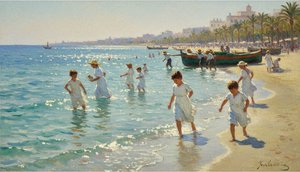
"شبكات الصيد" يقيس مساحته 50 × 70 سم، لكن داخل هذا الإطار ينبض بالحياة تكوين مفصل وديناميكي بشكل ملحوظ. تقنية سورا فورمة على الفور – تتميز بفرشاة طويلة تقريبًا وبخطوط مستقيمة تلتقط جودة المياه والرمل المتلألئة بدقة مذهلة. يستخدم لوحة ألوان مهيمن عليها الأصفر والبروز والزمرد، ويتم ترتيبها بعناية لخلق وهم العمق والحركة. يتم تصوير شخصيات الرجل والمرأة ببراعة طبيعية، مع وضعياتهم مسترخية ومشاركة في ما يبدو أنه محادثة هادئة. لاحظ الاهتمام الدقيق بالتفاصيل – طيات فستان المرأة، ونسيج قميص الصياد، والطريقة التي يرقص بها الضوء على سطح الماء. إضافة الطيور - واحدة متمركزة بعناية في الزاوية اليسرى العليا وأخرى مستقرة نحو الأسفل اليمنى - تضيف طبقة مرئية دقيقة من الاهتمام وقد ترمز إلى الحرية أو الملاحظة.
الأسلوب الفني والسياق: انطباعية تحت أشعة الشمس الإسبانية
يستند أسلوب سورا بشكل ثابت إلى مبادئ الانطباعية، ولكنه يتميز بلمسة إسبانية مميزة. تأثر بفنانين مثل كلود مونيه وكاميلا بيسارو، وقام بتكييف تقنياتهم مع الظروف الفريدة للساحل الأبيض المتوسط - أشعة الشمس القوية، والمياه المتلألئة، وألوان النباتات والحيوانات المحلية النابضة بالحياة. عمله يتماشى بشكل وثيق مع أعماله الأخرى الشهيرة مثل "وقت الاستحمام، فالنسيا في متحف سورا في مدريد"، مما يدل على إتقانه المشابه للنور واللون. تزامن إنشاء اللوحة مع فترة من الابتكار الفني الكبير في إسبانيا، حيث تبنى الفنانون تقنيات حديثة مع الحفاظ على التزامهم بتصوير الحياة اليومية. اتصال سورا بسانتياغو رامون ي كايال، عالم الأعصاب الرائد الذي درس الدماغ من خلال الملاحظة الدقيقة أيضًا - كان كلا الرجلين يشاركان في التفاني في الدقة العلمية في مجالاتهما.
الرمزية والتأثير العاطفي: صورة للسلام
"شبكات الصيد" تتجاوز مجرد تصوير مشهد ساحلي؛ إنها تأملات مؤثرة في الاتصال الإنساني وجمال اللحظات العادية. الوضعية المريحة للشخصيات، والمحادثة الهادئة بينهما، والبيئة الخلابة تثير شعورًا بالسلام والرضا. تصور اللوحة جاذبية خالدة للراحة والمحادثة والتجربة المشتركة - موضوعات تت resonate بعمق مع المشاهدين من مختلف الثقافات والأجيال. قدرة سورا على التقاط هذا التأثير العاطفي هي شهادة على مهارته الفنية وفهمه العميق للطبيعة البشرية. إضافة النباتات المزروعة يضيف إلى الشعور بالمنزل والدفء، مما يعزز بشكل أكبر أجواء اللوحة الجذابة.
استكشاف إضافي: اكتشاف المزيد من تحفتي سورا
بالنسبة لأولئك الذين انجذبوا إلى "شبكات الصيد"، نشجعكم على استكشاف المزيد من أعمال توشيتشي سورا المذهلة. تشتمل محفظته على مجموعة متنوعة من الأعمال - من البورتريهات الحميمة لعائلته إلى المشاهد الضخمة التي تصور الحياة الإسبانية والتاريخ. ضع في اعتبارك زيارة متحف سورا في مدريد، أو استكشاف موارد عبر الإنترنت مثل ويكيپيديا للحصول على رؤى إضافية حول حياة وعمل هذا الفنان الاستثنائي.
السيرة الذاتية للفنان
Joaquín Sorolla y Bastida: A Life Bathed in Light
Joaquín Sorolla y Bastida, a name synonymous with the radiant light and vibrant energy of Spain, was more than just a painter; he was a chronicler of his nation’s soul. Born in Valencia in 1863, Sorolla's early life was marked by tragedy. Orphaned at the tender age of two following a cholera epidemic that claimed both parents, young Joaquín and his sister were raised by their maternal aunt and uncle. This early experience with loss perhaps instilled within him a profound appreciation for the fleeting beauty of life – a sentiment that would permeate his art. Though hardship shadowed his beginnings, it did not dim the spark of artistic talent that quickly became apparent. He received initial instruction in Valencia, demonstrating an aptitude that led to studies under established artists like Cayetano Capuz and José Benlliure, eventually culminating in a four-year grant to study in Rome. It was there, amidst the classical grandeur of Italy, that Sorolla began to forge his unique artistic path, absorbing influences while simultaneously developing a style distinctly his own.Early Life and Artistic Beginnings
Joaquín Sorolla’s formative years were shaped by profound loss and circumstance. Born into a modest Valencian family—his father a tradesman and his mother Concepción Bastida—the sudden demise of both parents at just two years old due to cholera irrevocably altered the trajectory of his life. He and his sister, Concha, found solace in the care of their maternal aunt and uncle, fostering within him an empathy for vulnerability and resilience – qualities that would inform his artistic vision throughout his career. Recognizing his exceptional talent from a young age, Sorolla pursued formal art education at Valencia’s School of Artisans, honing his skills under instructors like Cayetano Capuz and José Benlliure. This early exposure to artistic principles laid the groundwork for his subsequent explorations into diverse styles and mediums. At eighteen he travelled to Madrid where he studied master paintings in the Museo del Prado, absorbing the legacy of Velázquez and other titans of Spanish art.Rome: The Crucible of Style
A pivotal moment arrived when Sorolla secured a prestigious grant enabling him to embark on a four-year residency in Rome—a pilgrimage to the heart of artistic innovation during the Belle Époque. Amidst the monumental sculptures and architectural splendor of the Italian capital, he encountered artists who championed Impressionism and Luminism – movements that profoundly impacted his aesthetic sensibilities. Notably influential were exhibitions featuring Jules Bastien-Lepage and Adolf von Menzel, whose works challenged academic conventions and embraced a more spontaneous approach to representation. Sorolla’s time in Rome solidified his commitment to capturing the ephemeral qualities of light and color—a stylistic hallmark that would define his oeuvre for decades to come. He diligently studied under José Benlliure and Emilio Sala, absorbing techniques and perspectives that broadened his artistic horizons.From Historical Narratives to Sun-Drenched Realism
Sorolla’s initial artistic endeavors leaned toward the grand narratives of history and mythology—large-scale canvases depicting heroic figures and dramatic events. However, a transformative shift occurred upon his return to Spain as he turned his gaze towards the everyday lives of his countrymen—particularly those inhabiting the vibrant coastal region of Valencia. The intense Mediterranean sunlight, the shimmering sea, and the palpable energy of human interaction became Sorolla’s primary subjects—a deliberate rejection of academic formalism in favor of a more immediate and emotionally resonant aesthetic. This stylistic evolution culminated in masterpieces like Sad Inheritance (1899)—a poignant depiction of children afflicted by polio bathing in the sea—which garnered considerable acclaim but simultaneously revealed Sorolla's compassionate engagement with social issues. The painting powerfully conveyed empathy for those marginalized by circumstance, demonstrating Sorolla’s artistic commitment to portraying human experience with sensitivity and nuance.The Luminist Vision: Light as Subject Matter
Sorolla’s technique became instantly recognizable—a bravura display of brushwork characterized by loose, energetic strokes that conveyed movement and atmosphere. He worked *en plein air* whenever possible, confronting the challenges of capturing fleeting light conditions head-on. This dedication to painting outdoors resulted in canvases brimming with life and immediacy—a stylistic decision that distinguished him from many of his contemporaries who favored studio settings. His beach scenes—perhaps his most iconic works—are not merely picturesque representations of leisure; they are studies in luminosity, reflections, and the joyful interaction between people and their environment. Paintings like Children on the Seashore and Sewing the Sail exemplify this mastery—figures bathed in golden light, rendered with a remarkable sense of spontaneity and vitality. Sorolla wasn’t interested in meticulous detail; rather, he sought to convey the *impression* of reality, prioritizing atmosphere and emotion over precise representation. This approach earned him comparisons to Impressionists like Monet and Renoir, but Sorolla's work possessed a unique Spanish character—a warmth, intensity, and emotional depth that set it apart. He achieved remarkable success in his early years, securing prestigious commissions and garnering widespread recognition for his artistic prowess. ## Major Achievements & Recognition- 1892: Gold medal at the National Exhibition in Madrid for Another Marguerite
- 1894: Acclaimed for The Return from Fishing: Hauling the Boat, acquired by the Musée du Luxembourg
- 1899: Grand Prix and medal of honor at the Universal Exhibition in Paris for Sad Inheritance
- 1900-1923: Extensive exhibitions throughout Europe and the United States, establishing international recognition
- 1912-1928: Commissioned to create Vision of Spain for the Hispanic Society of America (completed posthumously)

خوآكين سورولَا ي باستيدَا
1863 - 1923 , إسبانيا
حقائق سريعة
- Artistic Movement Or Style: إمبراسيووني، لومينيسم
- Artists Who Influenced This Artist:
- فرانسيسكو برadilla
- جيولس باستيان ليپاغ
- أدولف فون مينزل
- Date Of Birth: ٢٧ فبراير ١٨٦٣
- Date Of Death: ١٠ أغسطس ١٩٢٣
- Full Name: Joaquín Sorolla y Bastida
- Nationality: إسبانية
- Notable Artworks: ['مارجريت أخرى"، "جلب القارب"، "العائد من الصيد"، "الخادمة البيضاء"، "الأطفال على الشاطئ"، "تثبيت البساط']
- Place Of Birth: فالنسيا، إسبانيا
مقالات ذات صلة
Joaquín Sorolla: Capturing Spanish Light & Life – A Legacy of Impressionism
Explore the luminous world of Joaquín Sorolla, Spanish master of Impressionism. Discover his life, techniques & legacy – a guide for art collectors and enthusiasts. Invest in timeless beauty.
Rafael de Penagos: A Study in Spanish Portraiture & Artistic Identity
Explore the life & art of Rafael de Penagos, a leading Spanish Art Deco illustrator. Discover his iconic 'Penagos Woman', commercial work, and lasting legacy. Learn about this pivotal figure in 20th-century Spanish art history.

Capturing Sunlight: The Radiant Magic and Impressionist Brilliance of Joaquín Sorolla's Masterpieces
Embark on a visual journey through the radiant sunlight of Joaquín Sorolla's masterpieces. Discover the brilliance of Spanish Impressionism and learn how to bring this luminous legacy into your home with museum-quality, hand-painted oil reproductions from OriginalUniqueArt.

Manuel Benedito Vives: A Study of Light, Color & Emotional Resonance in Contemporary Spanish Painting
Explore the captivating world of Manuel Benedito Vives, a celebrated Spanish painter influenced by Sorolla. Discover his masterful portraits, luminous landscapes & enduring legacy – a favorite of the Spanish Royal Family. Art collectors will appreciate this in-depth study.

Impressionism's Masterpieces: 10 Paintings That Defined a Movement | OriginalUniqueArt
Journey through Impressionism's heart with 10 iconic paintings by Monet, Renoir & Degas. Explore light, color & the stories behind these masterpieces. Find museum-quality art reproductions and elevate your home decor on OriginalUniqueArt.com.


