Expressionist Orientalism
Chinoiseries (جيمس إنسور)
أبدع جيمس إنسور (1860–1949) في Chinoiseries. تنتمي إلى حركة Expressionist Orientalism. صُنعت من Acrylic On Canvas.
- Acrylic On Canvas

 معاينة الحجم الواقعي

 لوحة زيتية مرسومة يدوياً
 مشاركة
 مشاركة
 ورقة الحقائق


 تحميل الملف
 قطع مشابهة
 الأشعة السينية
 عرض شرائح
 الأسئلة والأجوبة

 الإحصائيات
Chinoiseries باختصار
- العنوان
- Chinoiseries
- الفنان
- جيمس إنسور (1860–1949)
- تاريخ ميلاد الفنان
- أوستند, بلجيكا
- الوسيط الفني
- Acrylic On Canvas
- الموضوع
- chinoiseries, james ensor, masks, figures, exoticism, belgium
ماذا يصور Chinoiseries؟
A World Within Walls: Unpacking James Ensor’s “Chinoiseries”
James Ensor's "Chinoiseries," painted in 1880, isn’t merely a depiction of an interior scene; it’s a carefully constructed psychological landscape. This captivating work, residing within the Royal Museums of Fine Arts of Belgium in Brussels, offers a glimpse into the artist’s uniquely unsettling and intensely personal vision. Ensor, born in Ostend to an English father and Belgian mother, possessed a sensibility deeply shaped by his upbringing amidst the vibrant chaos of a seaside resort town – a place saturated with masks, curiosities, and a potent sense of theatricality. This early exposure profoundly influenced his artistic trajectory, leading him away from conventional academic training and toward a fiercely independent style that would forever challenge the established norms of art.
The Dance of Form and Feeling: Style and Technique
“Chinoiseries” is a masterclass in Expressionist technique, subtly blended with elements of Orientalism. Ensor’s brushstrokes are not delicate or refined; they are bold, assertive, and often deliberately rough, conveying an underlying sense of unease and emotional intensity. The color palette—dominated by deep blues and greens—creates a claustrophobic atmosphere, intensifying the feeling of being trapped within the confines of the room. Notice how he utilizes contrasting colors – the vibrant reds and yellows of the decorative objects against the somber background – to draw the eye and heighten the drama. The composition itself is deliberately unbalanced, with the figures positioned in ways that disrupt any sense of harmony or stability. This deliberate distortion reflects Ensor’s interest in exploring the darker aspects of human experience.
- Oil on Canvas: The medium lends itself perfectly to Ensor's expressive style, allowing for rich textures and a dynamic application of paint.
- Bold Brushwork: Visible brushstrokes contribute significantly to the painting’s emotional impact.
- Color Palette: Deep blues and greens create an atmosphere of mystery and introspection.
Decoding the Symbols: Orientalism, Masks, and Human Connection
The title itself, “Chinoiseries,” immediately signals Ensor’s fascination with the exotic – specifically, Chinese-inspired motifs. The table laden with porcelain vases, bowls, and cups isn't simply decorative; it represents a deliberate attempt to introduce an element of the ‘other’ into a European setting. This reflects a broader trend in 19th-century art, where artists sought to explore and interpret foreign cultures through visual representation. However, Ensor doesn’t offer a romanticized view of the Orient. Instead, he presents these objects within a context that is unsettling and ambiguous. The two figures present – one standing, the other seated – are deliberately undefined, their faces obscured or averted, suggesting a lack of genuine connection. The cat, perched on the floor, adds another layer of intrigue, embodying mystery and perhaps even a touch of foreboding.
A Portrait of an Artist’s Mind: Context and Legacy
“Chinoiseries” is often compared to the work of Clyfford Still, a pioneer of Abstract Expressionism, due to their shared emphasis on emotional intensity and non-representational forms. However, Ensor's approach is far more rooted in psychological observation than pure abstraction. His paintings are not simply about depicting objects; they’re about conveying feelings – anxiety, isolation, and the unsettling nature of human relationships. The painting’s creation coincided with a period of significant social and artistic change, mirroring the growing anxieties of modern life. It's a testament to Ensor’s ability to capture the complexities of the human condition through a uniquely personal and often disturbing lens. Reproductions of “Chinoiseries” offer a remarkable opportunity to experience this powerful work firsthand, bringing its enigmatic atmosphere into any space.
Explore more captivating works by James Ensor and discover high-quality reproductions at OriginalUniqueArt.com. For deeper insights into the artist’s life and oeuvre, visit his Wikipedia profile: https://en.wikipedia.org/wiki/James_Ensor.
صور عالية الدقة لـ Chinoiseries

جيمس إنسور, Chinoiseries. ملك عام
ألوان مطابقة للأصل بواسطة خبير رقمي، وملف تمت معالجته بدقة ليكون وفياً لضربات فرشاة الفنان.
امتلك الملف عالي الدقةأسئلة وإجابات حول Chinoiseries
ما هي التقنية المستخدمة في "Chinoiseries" للفنان جيمس إنسور؟
استخدم جيمس إنسور تقنية Acrylic On Canvas في عمل "Chinoiseries"، وهي التقنية التي تحدد الطبيعة المادية للعمل الأصلي.
ماذا يصور "Chinoiseries" للفنان جيمس إنسور؟
تتضمن الموضوعات المتضمنة في "Chinoiseries" للفنان جيمس إنسور كلاً من chinoiseries, james ensor, masks, figures, exoticism, belgium, carnival, symbolism، والتي تلخص مجتمعةً فحوى العمل الفني.
هل "Chinoiseries" للفنان جيمس إنسور ضمن الملكية العامة؟
تندرج لوحة "Chinoiseries" للفنان جيمس إنسور ضمن نطاق ملك عام - انتهت مدة حماية حقوق الطبع والنشر الخاصة به، وتحدد هذه الحالة الشروط التي يمكن بموجبها إعادة إنتاج صورة العمل الفني.
من أبدع "Chinoiseries"؟
الفنان الذي أبدع عمل "Chinoiseries" هو جيمس إنسور، والعمل مُدرج تحت اسم جيمس إنسور.
إلى أي حركة فنية ينتمي العمل "Chinoiseries" للفنان جيمس إنسور؟
تنتمي لوحة "Chinoiseries" للفنان جيمس إنسور إلى حركة Expressionist Orientalism الفنية، ويضع هذا التصنيف العمل ضمن سياق مجموعة من الفنانين والأعمال الفنية ذات الصلة.
إلى أي مرحلة من مسيرة جيمس إنسور الفنية تنتمي لوحة "Chinoiseries"؟
تندرج لوحة "Chinoiseries" ضمن مرحلة Mature Period من مسيرة جيمس إنسور المهنية، وهي مرحلة تتيح مقارنة هذا العمل بأعمال الفنان الأخرى.
ما سبب الوضع الحالي لحقوق الطبع والنشر لـ "Chinoiseries"؟
تعتمد حالة حقوق الطبع والنشر لـ "Chinoiseries" - ملك عام - انتهت مدة حماية حقوق الطبع والنشر الخاصة به - على تاريخ وفاة الفنان في 1949.
كيف تندرج لوحة "Chinoiseries" ضمن المسيرة الفنية لـ جيمس إنسور؟
ينتمي العمل "Chinoiseries" إلى نتاج جيمس إنسور ضمن مدرسة Expressionist Orientalism، التي تتناول موضوعاتها المسجلة expressionist distortion, oriental motifs, belgian identity, cultural fusion, masks, hidden emotions, satire, ensor’s unique visual language.
كيف تندرج لوحة "Chinoiseries" ضمن الموضوعات المتكررة لدى جيمس إنسور؟
يصور "Chinoiseries" موضوعات chinoiseries, james ensor, masks, figures, exoticism, belgium, carnival, symbolism، بينما تتمثل الثيمات المتكررة لدى جيمس إنسور في expressionist distortion, oriental motifs, belgian identity, cultural fusion, masks, hidden emotions, satire, ensor’s unique visual language. وتُظهر المقارنة بينهما مدى ارتباط هذا العمل بالموضوعات المعتادة للفنان.
عن الفنان، جيمس إنسور

1860–1949, بلجيكا
جيمس إنسور
Early Life, Family and Artistic Training James Ensor was born on April 13, 1860, in Ostend, Belgium. His identity was shaped by a specific cultural intersection: his father, James Frederic Ensor, was born in Brussels to English parents, while his mother, Maria Catherina Haegheman, was Belgian. This dual heritage provided a foundation for a perspective that often sat outside the narrow confines of local tradition. Growing up, the artist lived within the walls of a souvenir shop operated by his parents in Ostend.
وأيضاً لـ جيمس إنسور
 دخول المسيح إلى بروكسل1888
 صورة ذاتية مع أقنعة1899
 الحمامات في أوستند
 هياكل عظمية تدفئ نفسها1889

مقالات حول Chinoiseries
 Raw Emotion & Bold Strokes: Top 10 Neo-Expressionism MasterpiecesExplore iconic Neo-Expressionist works by Basquiat and Baselitz. Discover museum-quality art at OriginalUniqueArt.com.
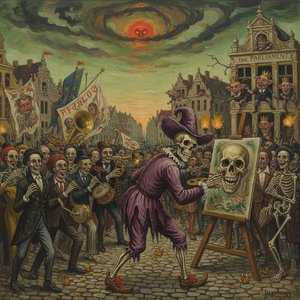 James Ensor's Grotesque Visions: Social Commentary & Artistic InnovationExplore the unsettling yet captivating world of James Ensor, a pioneer of Expressionism. Discover his satirical masterpieces, symbolic imag…
 Capturing the Exotic: A Journey Through the Allure and Complex Legacy of Orientalist ArtExplore the mesmerizing world of Orientalist art. From Napoleon's influence to Renoir's exotic textures, discover the history, beauty, and …