Symbolism · 1903
Art (ياك كمالتشيفسكي, 1903)
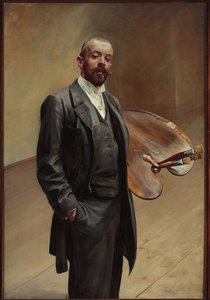
أبدع ياك كمالتشيفسكي (1854–1929) في Art. يعود تاريخها إلى 1903. تنتمي إلى حركة Symbolism. صُنعت من Oil On Canvas. تُحفظ في National Museum in Wrocław في Wrocław, Poland. أبعادها 70 × 98 cm
- 1903
- Oil On Canvas
- 70 × 98 cm
- National Museum in Wrocław

 معاينة الحجم الواقعي

 لوحة زيتية مرسومة يدوياً
 مشاركة
 مشاركة
 ورقة الحقائق


 تحميل الملف
 قطع مشابهة
 الأشعة السينية
 عرض شرائح
 الأسئلة والأجوبة

 الإحصائيات
Art باختصار
- العنوان
- Art
- الفنان
- ياك كمالتشيفسكي (1854–1929)
- تاريخ ميلاد الفنان
- رادوم, بولندا
- التاريخ
- 1903
- الوسيط الفني
- Oil On Canvas
- الأبعاد
- 70 × 98 cm
- أين يمكن مشاهدتها
- National Museum in Wrocław, Wrocław, Poland
- الحركة
- Symbolism
- الحقبة
- 19th Century
- الموضوع
- symbolism, polish art, mythology, portraiture, national identity, allegory
ماذا يصور Art؟
Identification of the Artwork and Artist
Art is an oil on canvas painting executed by Jacek Malczewski in 1903. The work belongs to the Symbolist movement, a style in which Malczewski established himself as a central figure. His practice often integrated themes of national identity and folklore into complex allegorical compositions.
Malczewski was a Polish symbolist painter. His approach frequently utilized mythological and religious motifs to explore psychological and existential states. This specific work, created at the turn of the twentieth century, reflects the artist's characteristic use of symbolic imagery to communicate ideas beyond literal representation.
Composition and Visual Elements
The composition is tightly framed, focusing the viewer's attention on the faces and upper bodies of the clustered figures. This arrangement creates a sense of intimacy and shared experience among the subjects, though the overall placement feels somewhat chaotic yet deliberate. A large, golden horse dominates the background, its head acting as a visual anchor that stabilizes the grouping of humans in the foreground.
The color palette is dominated by earthy tones, including browns, beiges, and muted greens. These base colors are contrasted by the vibrant golden hue of the horse and subtle touches of red in the hair and clothing of the figures. Lighting is diffused and soft, appearing to emanate from multiple sources without creating harsh shadows or strong contrasts. This gentle illumination contributes to the dreamlike quality of the scene.
The perspective is somewhat flattened due to the close-up framing, which limits the sense of spatial recession. Depth is achieved primarily through the layering of figures and the placement of the equine subject in the background. Organic and rounded shapes define the human forms and the natural contours of the horse, avoiding sharp angles or geometric structures.
Technique and Material Composition
Executed in oil on canvas, the work utilizes a method of blended brushstrokes to achieve its specific visual effects. The application of paint involves a visible layering process, which contributes to the depth and richness of the composition. This layering allows for a subtle transition between the earthy tones of the background and the more luminous highlights found on the figures and the equine subject.
The surface texture appears relatively smooth, a result of the extensive blending of the oil paints. This technique softens the edges of the forms, particularly in the rendering of hair and the drape of clothing. Consequently, the lines defining the facial features remain somewhat indistinct, contributing to a dreamlike quality. The interplay of light and shadow is achieved through these soft transitions rather than through harsh, high-contrast edges.
Related Works by Jacek Malczewski
The artist's exploration of symbolic and allegorical themes is evident in several other compositions. His 1901 work, Self-portrait with the Vistula in the Background, offers a different perspective on his relationship with the Polish landscape. Other significant pieces include Chimera 1 and the Thanatos series, which further investigate the psychological and spiritual dimensions central to his practice.
Malczewski also drew heavily from folklore and mythology to construct his visual language. This is particularly evident in his collection titled Bajki (Fables). These works, alongside his various symbolic studies, demonstrate the breadth of his engagement with national and universal motifs.
أي متحف يضم Art؟
National Museum in Wrocław
Wrocław, Poland
The Architecture of the National Museum in Wrocław The National Museum in Wrocław occupies a former Silesian regency building situated on the banks of the Odra river. Constructed between 1883 and 1886, the structure reflects the architectural language of the late 19th century. Its Neo-Renaissance design provides a formal setting for the collections housed within its three floors.


صور عالية الدقة لـ Art

ياك كمالتشيفسكي, Art (1903), National Museum in Wrocław. ملك عام
أسئلة وإجابات حول Art
في أي متحف يُعرض العمل الأصلي "Art"؟
تُعرض لوحة "Art" للفنان ياك كمالتشيفسكي في National Museum in Wrocław, Wrocław, Poland. ويشير وصف المتحف إلى العمل الأصلي، وليس إلى النسخ المطبوعة.
في أي عام أُنجز "Art"؟
تاريخ إبداع "Art" للفنان ياك كمالتشيفسكي يعود إلى عام 1903.
ما هي التقنية المستخدمة في "Art" للفنان ياك كمالتشيفسكي؟
تعتمد التقنية المستخدمة في "Art" للفنان ياك كمالتشيفسكي على Oil On Canvas، وتهدف النسخ المطبوعة إلى محاكاة مظهر هذه التقنية.
ما هي أبعاد العمل الأصلي "Art"؟
تبلغ أبعاد العمل الأصلي "Art" للفنان ياك كمالتشيفسكي 70 x 98 cm.
ماذا يصور "Art" للفنان ياك كمالتشيفسكي؟
تتضمن الموضوعات المتضمنة في "Art" للفنان ياك كمالتشيفسكي كلاً من symbolism, polish art, mythology, portraiture, national identity, allegory, artistic inspiration، والتي تلخص مجتمعةً فحوى العمل الفني.
هل "Art" للفنان ياك كمالتشيفسكي ضمن الملكية العامة؟
حالة حقوق الطبع والنشر لـ "Art" للفنان ياك كمالتشيفسكي: العمل يقع ضمن ملك عام - انتهت مدة حماية حقوق الطبع والنشر الخاصة به، وهو ما يحدد مدى إمكانية إعادة إنتاج الصورة بحرية.
من هو الفنان الذي يُنسب إليه العمل "Art"؟
يُنسب العمل "Art" إلى ياك كمالتشيفسكي.
إلى أي أسلوب ينتمي "Art"؟
ينتمي العمل "Art" إلى مدرسة Symbolism، وهي المدرسة التي تمثل التقليد الفني الذي يندرج ضمنه هذا العمل.
إلى أي مرحلة من مسيرة ياك كمالتشيفسكي الفنية ينتمي العمل "Art"؟
ينتمي العمل "Art" إلى الفترة Mature Period من مسيرة ياك كمالتشيفسكي المهنية، مما يربط هذا العمل بمراحل تطور الفنان الفني.
عن الفنان، ياك كمالتشيفسكي
1854–1929, بولندا
ياك كمالتشيفسكي
جacek مالتشيفسكي: الأب الروحي للفن البولندي كان جacek مالتشيفسكي أكثر من مجرد رسام؛ كان تجسيدًا بصريًا للهوية الوطنية البولندية وعلي صوت عميق لمجتمع يتوق إلى الاستقلال، وتاريخًا مليئًا بالصراع واليأس، لكنه أيضًا يحمل بقايا الأمل في مستقبل مشرق. كانت مسيرته الفنية والرؤية الإبداعية مرتبطة بإرثات رومانسية للأُسرة، حيث زرع فيها أبوه، يوليان مالتشيفسكي، حبًا عميقًا للثقافة البولندية والأدب والتاريخ، هذا التأثير المبكر شكل إنسانًا أصبح القائد في حركة الفن البولندي الرمزية، وحصل على لقب الأب الروحي للفن البولندي بتقدير كبير. كانت سنوات طفولته غنية بقصص البطولة والتضحية والوعي المؤلم بتاريخ بولندا المضطربة - مواضيع ستتردد عبر كل أعماله الفنية بأكملها. كان الأب يوليان، وهو патриот مُتَقَدَّم، يُعدّ الأب الروحي لـ جacek، حيث قام بتنمية حب جacek للثقافة البولندية والأدب والتاريخ في سن مبكرة، وهذا التأثير المبكر شكل إنسانًا أصبح القائد في حركة الفن البولندي الرمزية، وحصل على لقب الأب الروحي للفن البولندي بتقدير كبير.
وأيضاً لـ ياك كمالتشيفسكي
 Self-portrait in armor with violin.1908
 Madonna and Children1897
 Portrait of artist's sister Helene with lute1906
 The Artist's death1909
مقالات حول Art
 19th century Polish painters19th-century Polish art comes alive through the masterpieces of Jan Matejko and Jacek Malczewski. View the full collection online at Origin…
 Masterpieces of the Soil: The Top 25 Jean-François Millet ArtworksImmerse yourself in the soul of French Realism with our curated list of the top 25 Jean-François Millet artworks. From iconic peasant scene…
 20th century Polish painters20th-century Polish painters like Tamara de Lempicka, Sigmar Polke, and Aleksandra Ekster define an era. Find museum-quality reproductions …