- الرئيسية

- نسخة زيتية مطابقة للأصل
- جورج براك
- Uranie II

 شراء نسخة مطبوعة شراء الصورة بدقة عالية
 مشاركة
 مشاركة
 التفاصيل
 أضف إلى المفضلة

 تحميل الملف
 قطع مشابهة
 الأشعة السينية
 عرض شرائح
Uranie II

 عرض المزيد
نسخة زيتية مصنوعة يدوياً
لوحة زيتية مرسومة يدوياً على الكانفاس بالمقاس والإطار الذي تفضله، تُنفذ حسب الطلب على أيدي فنانينا.




P118B $10

P118H $10

P118W $10

P438Z $10

P508JH $12

P508YH $12

P805H $10

P805Z $10

P919BZ $10

P919G $10

P919XJ $10

P959ZH $10

P968JZ $12

W106C $8

W218G $10

W218JH $8

W218Y $10

W307PJ $10

W316G $10

W316PJ $8

W316Y $10

W398PJ $8

W4111J $10

W500HY $15

W500JH $15

W692G $12

W849H $8

W940BG $15

W953PJ $8




اختر من بين أحجامنا المُعدّة مسبقًا والتي تتطابق مع النسب الأصلية للعمل الفني.

يمكنك إدخال أبعادك الخاصة لتناسب إطارًا معينًا أو مساحة محددة. وإذا لم يتطابق الحجم الذي اخترته مع نسب الصورة الأصلية، فسنقوم إما بقص العمل الفني أو توسيع اللوحة بإضافة عناصر مرسومة يدويًا. سيتم إرسال نموذج رقمي إليك للموافقة عليه قبل بدء الإنتاج.
يرجى ملاحظة أن المعاينة على الشاشة لا تعكس عملية القص أو التوسيع الفعلية؛ حيث إن النموذج الرقمي وحده هو الذي سيوضح التكوين النهائي بدقة.
وعلى الرغم من توفر أحجام مخصصة، إلا أننا نوصي باختيار أبعاد من القائمة المحددة مسبقًا للحفاظ على النسب الأصلية للعمل الفني.
بعد إتمام الطلب، سيرسل فريق OriginalUniqueArt.com بريداً إلكترونياً للعميل لطلب التعليمات وتزويده بمعاينة تجريبية (mockup).
توصيل عالمي إلى خلال 3 إلى 4 أسابيع بدلاً من المدة المعتادة البالغة 5 أسابيع. (21 يوليو). جودة لا تهاون فيها.

شحن سريع ومجاني لجميع أنحاء العالم

قماش كتان عالي الجودة

تأمين شحن شامل

ضمان استرداد الرسوم الجمركية

ضمان مطابقة الألوان الحقيقية

سياسة الإرجاع خلال 60 يومًا (في حالات العيوب فقط)

ضمان استرداد نقدي بنسبة 100%

خصم عند طلب عدة قطع
 خيار الزجاج متاح فقط للمقاسات التي تقل عن 110 سم

Uranie II
خامة إعادة الإنتاج
مقاس النسخة المطبوعة
-


السعر الإجمالي النهائي
-
وصف العمل الفني
Georges Braque: A Pioneer of Cubism and Beyond
Georges Braque (1882-1963) stands as one of the titans of early 20th-century art, inextricably linked to Pablo Picasso in the genesis of Cubism. Born in Argenteuil, France, his formative years were steeped in the traditions of house painting and decoration—a grounding that instilled not only technical prowess but also a profound appreciation for visual structure and form. This dual influence would propel him toward groundbreaking artistic innovations that fundamentally challenged conventional perceptions of representation. Moving to Paris in 1902, Braque immersed himself in the burgeoning artistic landscape of the city, forging connections with fellow innovators like Marie Laurencin and Francis Picabia. It was during this period that he encountered Cézanne’s influence—particularly Cézanne's exploration of geometric simplification—which profoundly impacted his approach to painting. This encounter catalyzed a pivotal shift toward abstraction, marking the beginning of Braque’s journey into Cubism alongside Picasso.Uranie II: Fragmented Reality and Geometric Harmony
“Uranie II,” created in 1958, exemplifies Braque's masterful distillation of Cubist principles. The artwork presents a stylized depiction of two faces joined by a bow—a motif that recurs throughout Braque’s oeuvre—characterized by fractured forms and flattened perspective. Unlike traditional portraiture, “Uranie II” abandons realistic detail in favor of geometric abstraction, prioritizing form over illusionistic representation. This deliberate simplification aligns perfectly with the core tenets of Cubism, which sought to dismantle visual conventions and explore alternative ways of perceiving space and volume. The color palette is deliberately restrained—dominated by browns, blues, and blacks—enhancing the artwork’s austere aesthetic. Lines are paramount in defining shapes and establishing outlines, contributing significantly to the piece's geometric character. Shapes predominantly consist of rectangles and circles, rendered with abstracted representations of facial features. The subtle texture appears somewhat rough, likely resulting from the application of paint or printing technique, adding a tactile dimension to the visual experience.Technique and Material Considerations
Braque’s technique involved meticulous pigment mixing onto a canvas support—a process that demanded precision and careful observation. He utilized pigments (browns, blues, blacks) combined with a binder –likely oil –to achieve desired tonal qualities and textural effects. The printing process employed aquatint, a technique involving etching plates coated with wax to create recessed areas that absorb ink during printing. This method ensured exceptional color fidelity and tonal nuance—essential elements in capturing the essence of Braque’s artistic vision. Lithograph and aquatint prints were produced by Maeght, Paris, demonstrating Braque's commitment to disseminating his artwork widely.Symbolism and Emotional Resonance
The bow motif within “Uranie II” transcends mere decorative embellishment; it symbolizes connection and unity—a concept central to Braque’s artistic explorations. The flattened perspective reinforces the artwork’s intellectual rigor, mirroring the broader philosophical currents of Cubism that questioned accepted notions of visual perception. Ultimately, “Uranie II” invites contemplation on themes of duality and harmony—reflecting Braque's enduring fascination with capturing complex psychological states through simplified geometric forms. It stands as a testament to his ability to transform artistic conventions into vehicles for profound emotional resonance.السيرة الذاتية للفنان
Georges Braque: Pioneer of Cubism and Master of Collage
Georges Braque, born in Argenteuil, France, on May 13, 1882, stands as one of the most transformative figures in the history of modern art. His formative years were steeped in the traditions of French painting—particularly the influence of his father’s profession as a house painter and decorator—which instilled within him not only technical proficiency but also an early sensitivity to form and structure. This foundational understanding would prove invaluable as he embarked on a daring journey toward dismantling established artistic conventions and forging new paths for visual expression. Moving to Paris in 1902, Braque immersed himself in the vibrant intellectual atmosphere of the city’s avant-garde circles. He enrolled at the École des Beaux-Arts, honing his skills alongside fellow artists like Marie Laurencin and Francis Picabia—connections that would propel him toward the genesis of Cubism. It was during this period that he encountered Cézanne's revolutionary ideas about geometric simplification and multiple perspectives, profoundly shaping his artistic trajectory. This encounter ignited a fervent desire to challenge traditional representation and explore new ways of perceiving reality.The Fauvist Revelation: Embracing Bold Color
A pivotal moment arrived in 1905 with Braque’s exposure to the Fauvist movement—a rebellion against Impressionism championed by Henri Matisse, André Derain, and Maurice Denis. The Fauves' audacious use of unmodulated color—often jarringly juxtaposed—captured raw emotion and disrupted the serene harmonies of earlier artistic styles. Inspired by Cézanne’s exploration of form and space, Braque adopted Fauvist principles, experimenting with vibrant palettes and simplified geometries in paintings like “The Patience.” This bold stylistic choice signaled a decisive break from academic tradition and cemented his commitment to expressing subjective experience through visual language.Cubism Emerges: Fragmentation and Multiple Perspectives
The true breakthrough occurred in 1907 when Braque encountered Cézanne’s retrospective exhibition at the Salon d'Automne—a landmark event that galvanized the Parisian avant-garde. Cézanne’s insistence on geometric forms and multiple viewpoints served as a catalyst for Braque’s groundbreaking collaboration with Pablo Picasso, initiating the birth of Cubism. Together, they dismantled objects into fragmented planes and presented them from various perspectives simultaneously—a radical departure from traditional illusionistic space. Works like “Houses at L'Estaque” exemplify this pioneering approach, demonstrating Braque’s unwavering dedication to challenging conventional representation and exploring the underlying structure of visual perception.Innovation Through Collage: Integrating Reality Into Art
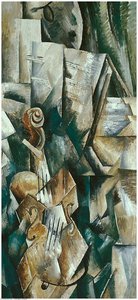
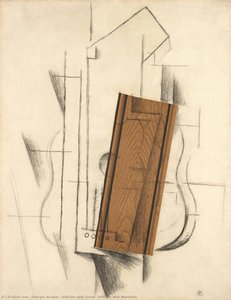
Braque’s artistic vision extended beyond geometric abstraction; he embraced collage—the incorporation of real-world materials like newspaper clippings and fabric into paintings—as a means of disrupting illusionistic space and engaging with broader cultural contexts. This innovative technique, championed by Picasso and Braque themselves in 1912, reflected a growing interest in materiality and questioned the boundaries between art and life. Paintings such as “Violin and Palette” showcase Braque’s masterful manipulation of texture and color—elements that contribute to the overall expressive power of his oeuvre.Legacy: Shaping Modern Art's Course
Throughout his prolific career, Georges Braque remained steadfast in his pursuit of artistic innovation—a legacy that transcends individual artworks and encompasses a fundamental rethinking of visual representation. His collaborative spirit with Picasso revolutionized 20th-century art, establishing Cubism as one of the most influential movements of its time. Braque’s unwavering commitment to exploring form, space, and perspective continues to inspire artists today—solidifying his place as a true visionary who reshaped our understanding of beauty and artistic expression. His enduring influence underscores the transformative power of challenging conventions and embracing daring experimentation—a testament to his indelible mark on the history of art.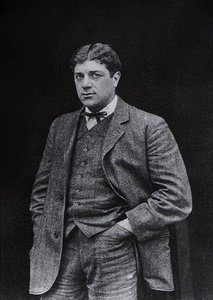
جورج براك
1882 - 1963 , فرنسا
حقائق سريعة
- Artistic Movement Or Style: كوبيزم، فافيزم
- Artists Who Influenced This Artist: ['هنري ماتيس"، "أندريه ديران"، "بول سزان']
- Date Of Birth: 1882
- Date Of Death: 1963
- Full Name: Georges Braque
- Nationality: فرنسي
- Notable Artworks: ['بيوت إستاك"، "الصبر"، "فينيل و بايبة']
- Place Of Birth: Argenteuil، فرنسا
مقالات ذات صلة

أكثر 10 روائع فنية حدّدت حركة التجريد الهندسي | OriginalUniqueArt.com
اكتشف 10 روائع فنية غيرت مسار التجريد الهندسي! تعرف على بيكاسو، موندريان وماليفيتش وغيرهم. لوحات أصلية وإعادة إنتاج فاخرة لديكور عصري. استلهم منزلك مع OriginalUniqueArt.com

Beyond Form & Color: Geometric Abstraction's Evolution in 20th/21st Century Art
Explore the evolution of geometric abstraction from Cubism to contemporary art. Discover key artists like Malevich & Mondrian, investment insights, and expert collecting advice at OriginalUniqueArt.
Orphism: A Symphony of Color and Form – Exploring the Abstract Roots of Modern Art
Explore Orphism, the vibrant abstract art movement pioneered by Robert & Sonia Delaunay. Discover its unique color theory, lasting influence on modern art, and how to bring this 'symphony of color' into your home with OriginalUniqueArt.
Cubism's Revolution: 10 Masterpieces That Redefined Modern Art | OriginalUniqueArt
Explore 10 Cubist masterpieces by Picasso, Braque & more! Delve into the history of this revolutionary art movement. Find museum-quality reproductions and elevate your home decor with OriginalUniqueArt. Discover all masterpieces on OriginalUniqueArt.com
أفضل 10 روائع تحدد حركة التكعيبية: فن وإلهام لديكور من OriginalUniqueArt
اكتشف روائع التكعيبية! استكشف 10 أعمال فنية خالدة لبيكاسو، برات وغيرهم. تعرف على تاريخ الفن، أساليبه وألوانه الجريئة. OriginalUniqueArt: وجهتك للوحات زيتية عالية الجودة وديكور منزلي فريد. تسوق الآن!