- الرئيسية

- نسخة زيتية مطابقة للأصل
- جورج براك
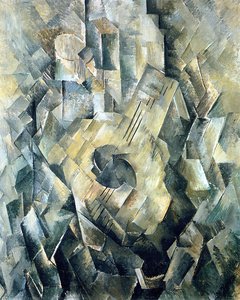
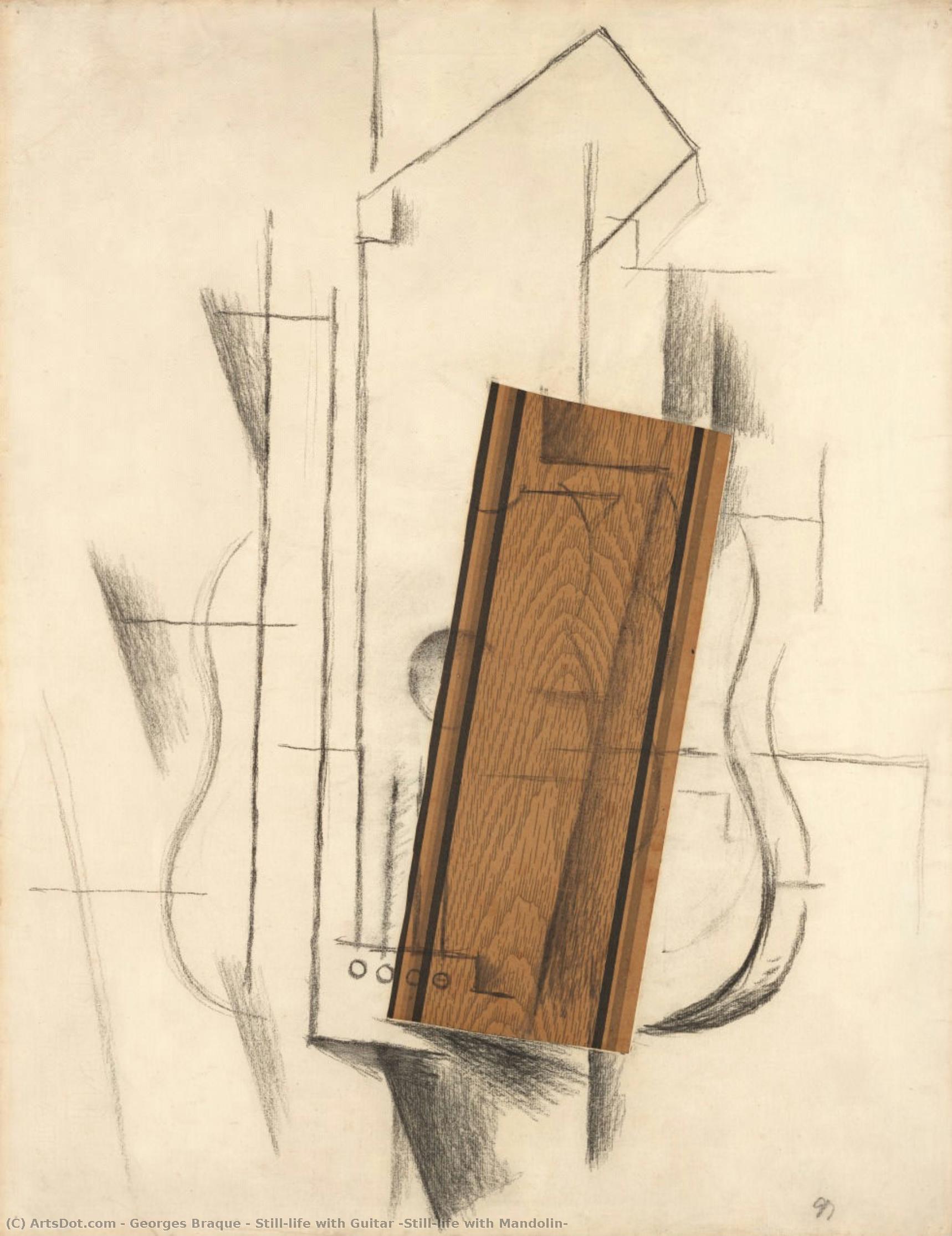
- طبيعة صامتة مع الجيتار (طبيعة صامتة مع الماندولين)
 شراء نسخة مطبوعة شراء الصورة بدقة عالية
 مشاركة
 مشاركة
 التفاصيل
 أضف إلى المفضلة

 تحميل الملف
 قطع مشابهة
 الأشعة السينية
 عرض شرائح
طبيعة صامتة مع الجيتار (طبيعة صامتة مع الماندولين)


 عرض المزيد
نسخة زيتية مصنوعة يدوياً
لوحة زيتية مرسومة يدوياً على الكانفاس بالمقاس والإطار الذي تفضله، تُنفذ حسب الطلب على أيدي فنانينا.




P118B $10

P118H $10

P118W $10

P438Z $10

P508JH $12

P508YH $12

P805H $10

P805Z $10

P919BZ $10

P919G $10

P919XJ $10

P959ZH $10

P968JZ $12

W106C $8

W218G $10

W218JH $8

W218Y $10

W307PJ $10

W316G $10

W316PJ $8

W316Y $10

W398PJ $8

W4111J $10

W500HY $15

W500JH $15

W692G $12

W849H $8

W940BG $15

W953PJ $8




اختر من بين أحجامنا المُعدّة مسبقًا والتي تتطابق مع النسب الأصلية للعمل الفني.

يمكنك إدخال أبعادك الخاصة لتناسب إطارًا معينًا أو مساحة محددة. وإذا لم يتطابق الحجم الذي اخترته مع نسب الصورة الأصلية، فسنقوم إما بقص العمل الفني أو توسيع اللوحة بإضافة عناصر مرسومة يدويًا. سيتم إرسال نموذج رقمي إليك للموافقة عليه قبل بدء الإنتاج.
يرجى ملاحظة أن المعاينة على الشاشة لا تعكس عملية القص أو التوسيع الفعلية؛ حيث إن النموذج الرقمي وحده هو الذي سيوضح التكوين النهائي بدقة.
وعلى الرغم من توفر أحجام مخصصة، إلا أننا نوصي باختيار أبعاد من القائمة المحددة مسبقًا للحفاظ على النسب الأصلية للعمل الفني.
بعد إتمام الطلب، سيرسل فريق OriginalUniqueArt.com بريداً إلكترونياً للعميل لطلب التعليمات وتزويده بمعاينة تجريبية (mockup).
توصيل عالمي إلى خلال 3 إلى 4 أسابيع بدلاً من المدة المعتادة البالغة 5 أسابيع. (16 يوليو). جودة لا تهاون فيها.

شحن سريع ومجاني لجميع أنحاء العالم

قماش كتان عالي الجودة

تأمين شحن شامل

ضمان استرداد الرسوم الجمركية

ضمان مطابقة الألوان الحقيقية

سياسة الإرجاع خلال 60 يومًا (في حالات العيوب فقط)

ضمان استرداد نقدي بنسبة 100%

خصم عند طلب عدة قطع
 خيار الزجاج متاح فقط للمقاسات التي تقل عن 110 سم

طبيعة صامتة مع الجيتار (طبيعة صامتة مع الماندولين)
خامة إعادة الإنتاج
مقاس النسخة المطبوعة
-


السعر الإجمالي النهائي
-
وصف العمل الفني
لحظة مجمدة في الزمن: استكشاف لوحة براك "الحياة اليومية مع الغيتار"
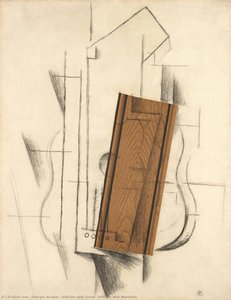
إن لوحة جورج براك المعنونة "الحياة اليومية مع الغيتار (الحياة اليومية مع الماندولين)"، التي رُسمت عام 1912، هي أكثر من مجرد تصوير للآلات الموسيقية؛ إنها لقطة محورية لثورة فنية ناشئة تتشكل عند فجر القرن العشرين. هذا التكوين البسيط ظاهريًا—غيتار خشبي يستقر على صندوق، ومحاط بأشياء منزلية مألوفة—يُعد حجر الزاوية في تطور التكعيبية ويقدم لمحة آسرة عن نهج براك المبتكر تجاه الشكل والمكان والتمثيل. تجذب اللوحة العين فورًا بلوحتها أحادية اللون الأبيض والأسود الصارخة، وهو خيار مقصود يضخم من ملامس وجودة الأشكال الهندسية في المشهد، مجردًا إياه من أي وهم بالعمق أو المنظور التقليدي.
نشأة التكعيبية: تفكيك الواقع
ولد جورج براك في أرجانتوي، فرنسا، عام 1882، وكانت رحلته الفنية متجذرة بعمق في جوانب عملية مهنة عائلته كرسامين ومزخرفين للمنازل. هذا التعرض المبكر للمواد وتقنيات البناء أثر بشكل عميق على أعماله اللاحقة. لقد تدرب في البداية في مدرسة الفنون الجميلة، ولكن من خلال لقاءاته بفنانين مثل ماري لورانسين وفرانسيس بيكا، بدأ يتساءل عن الأعراف الفنية الراسخة. وأثبت تعاون براك مع بابلو بيكاسو خلال تلك الفترة أنه تحويلي تمامًا. فقد انخرطا معًا في تجربة جذرية: تفكيك التمثيل التقليدي وإعادة بناء الواقع من وجهات نظر متعددة في آن واحد. وتجسد لوحة "الحياة اليومية مع الغيتار" هذه العملية بشكل مثالي؛ فالغيتار لا يُعرض كجسم واحد موحد، بل يتفتت إلى مستويات هندسية، يعكس كل منها زاوية رؤية مختلفة. وقد تحدى هذا الأسلوب، الذي يمثل جوهر تطور التكعيبية، المشاهدين للانخراط بنشاط مع العمل الفني وتجميع شكله بأنفسهم.
الطبقات الرمزية: الموسيقى، الحياة المنزلية، وعين الفنان
إن إدراج الغيتار—وهو رمز للفن والمرح وربما الحزن أيضًا—ضمن هذه اللوحة الهادئة والمرتبة بعناية هو أمر مثير للاهتمام بشكل خاص. إن اختيار براك لتصوير الماندولين، بدلاً من الغيتار الأكثر شيوعًا، يضيف طبقة أخرى من التعقيد. وكانت الآلات الموسيقية تُعرض بشكل متكرر في "الورق الملصق" (papier collés) الذي أنشأه كل من براك وبيكاسو، وغالبًا ما كانت مشبعة بملامح منحنية وإشارات إلى الشكل الأنثوي. أما الأشياء المحيطة—الكراسي، والطاولة، والأغراض المنزلية الأخرى—فترسخ المشهد في واقع يمكن التعرف عليه بينما تساهم في الوقت ذاته في الشعور العام بالارتباك. ويشير وضع الشخصية على اليسار، وهي شبه محجوبة، إلى وجود مراقب، يدعونا إلى التأمل في العمل الفني بجانبه، مضيفًا بذلك طبقة من العمق السردي.
إرث الابتكار: الاستنساخ وما وراءه
"الحياة اليومية مع الغيتار (الحياة اليومية مع الماندولين)" تظل عملاً أساسيًا في تاريخ الفن، حيث يبرز دور براك الريادي في تطوير التكعيبية. تقدم OriginalUniqueArt نسخًا مطبوعة مرسومة يدويًا بعناية تلتقط جوهر هذه القطعة الرائدة—تضاداتها الصارخة، ودقتها الهندسية، وإحساسها العميق بالابتكار الفني. سواء كنت من عشاق الفن الساعين لتوسيع مجموعتهم أو مصمم ديكور يبحث عن قطعة مميزة فريدة، فإن استنساخنا يوفر تمثيلاً أصيلاً لرؤية براك، ليجلب هذه اللحظة المحورية في الفن الحديث إلى مساحتك. استكشف تفاصيل العمل الفني الكامل والصور عالية الدقة على موقعنا الإلكتروني لتختبر القوة الخالدة لهذه اللوحة الرائعة.
السيرة الذاتية للفنان
Georges Braque: Pioneer of Cubism and Master of Collage
Georges Braque, born in Argenteuil, France, on May 13, 1882, stands as one of the most transformative figures in the history of modern art. His formative years were steeped in the traditions of French painting—particularly the influence of his father’s profession as a house painter and decorator—which instilled within him not only technical proficiency but also an early sensitivity to form and structure. This foundational understanding would prove invaluable as he embarked on a daring journey toward dismantling established artistic conventions and forging new paths for visual expression. Moving to Paris in 1902, Braque immersed himself in the vibrant intellectual atmosphere of the city’s avant-garde circles. He enrolled at the École des Beaux-Arts, honing his skills alongside fellow artists like Marie Laurencin and Francis Picabia—connections that would propel him toward the genesis of Cubism. It was during this period that he encountered Cézanne's revolutionary ideas about geometric simplification and multiple perspectives, profoundly shaping his artistic trajectory. This encounter ignited a fervent desire to challenge traditional representation and explore new ways of perceiving reality.The Fauvist Revelation: Embracing Bold Color
A pivotal moment arrived in 1905 with Braque’s exposure to the Fauvist movement—a rebellion against Impressionism championed by Henri Matisse, André Derain, and Maurice Denis. The Fauves' audacious use of unmodulated color—often jarringly juxtaposed—captured raw emotion and disrupted the serene harmonies of earlier artistic styles. Inspired by Cézanne’s exploration of form and space, Braque adopted Fauvist principles, experimenting with vibrant palettes and simplified geometries in paintings like “The Patience.” This bold stylistic choice signaled a decisive break from academic tradition and cemented his commitment to expressing subjective experience through visual language.Cubism Emerges: Fragmentation and Multiple Perspectives
The true breakthrough occurred in 1907 when Braque encountered Cézanne’s retrospective exhibition at the Salon d'Automne—a landmark event that galvanized the Parisian avant-garde. Cézanne’s insistence on geometric forms and multiple viewpoints served as a catalyst for Braque’s groundbreaking collaboration with Pablo Picasso, initiating the birth of Cubism. Together, they dismantled objects into fragmented planes and presented them from various perspectives simultaneously—a radical departure from traditional illusionistic space. Works like “Houses at L'Estaque” exemplify this pioneering approach, demonstrating Braque’s unwavering dedication to challenging conventional representation and exploring the underlying structure of visual perception.Innovation Through Collage: Integrating Reality Into Art
Braque’s artistic vision extended beyond geometric abstraction; he embraced collage—the incorporation of real-world materials like newspaper clippings and fabric into paintings—as a means of disrupting illusionistic space and engaging with broader cultural contexts. This innovative technique, championed by Picasso and Braque themselves in 1912, reflected a growing interest in materiality and questioned the boundaries between art and life. Paintings such as “Violin and Palette” showcase Braque’s masterful manipulation of texture and color—elements that contribute to the overall expressive power of his oeuvre.Legacy: Shaping Modern Art's Course
Throughout his prolific career, Georges Braque remained steadfast in his pursuit of artistic innovation—a legacy that transcends individual artworks and encompasses a fundamental rethinking of visual representation. His collaborative spirit with Picasso revolutionized 20th-century art, establishing Cubism as one of the most influential movements of its time. Braque’s unwavering commitment to exploring form, space, and perspective continues to inspire artists today—solidifying his place as a true visionary who reshaped our understanding of beauty and artistic expression. His enduring influence underscores the transformative power of challenging conventions and embracing daring experimentation—a testament to his indelible mark on the history of art.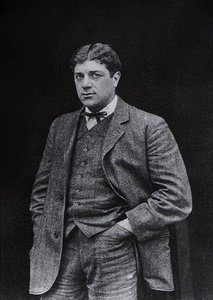
جورج براك
1882 - 1963 , فرنسا
حقائق سريعة
- Artistic Movement Or Style: كوبيزم، فافيزم
- Artists Who Influenced This Artist: ['هنري ماتيس"، "أندريه ديران"، "بول سزان']
- Date Of Birth: 1882
- Date Of Death: 1963
- Full Name: Georges Braque
- Nationality: فرنسي
- Notable Artworks: ['بيوت إستاك"، "الصبر"، "فينيل و بايبة']
- Place Of Birth: Argenteuil، فرنسا
مقالات ذات صلة
ارتقِ بمقتنياتك اليومية إلى تحف فنية خالدة: طبيعة صامتة مخصصة من OriginalUniqueArt
حوّل صورك الثمينة إلى لوحات طبيعة صامتة فنية خالدة مع OriginalUniqueArt! خبراء في إعادة إنتاج الأعمال الفنية بجودة استثنائية. استثمار فريد في فن شخصي راقٍ و ديكور منزلي فاخر.

The Bountiful Still Life: Symbolism & Artistic Representation of Fruit Across Art History
Explore the rich history of still life painting & the symbolism of fruit across art movements. Discover masterpieces from Caravaggio to Cézanne with OriginalUniqueArt – expert guidance & museum-quality reproductions.
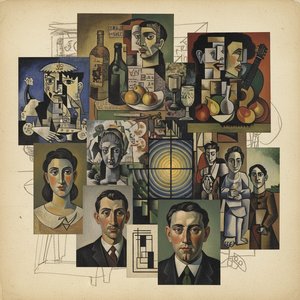
Cubism's Revolution: 10 Masterpieces That Redefined Modern Art | OriginalUniqueArt
Explore 10 Cubist masterpieces by Picasso, Braque & more! Delve into the history of this revolutionary art movement. Find museum-quality reproductions and elevate your home decor with OriginalUniqueArt. Discover all masterpieces on OriginalUniqueArt.com
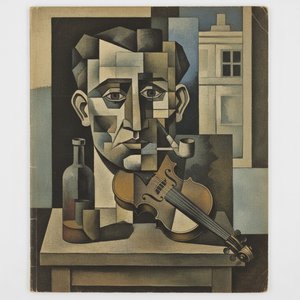
Deconstructing Reality: Analytical Cubism's Formative Years & Lasting Influence
Explore the revolutionary world of Analytical Cubism with OriginalUniqueArt. Discover Picasso & Braque's groundbreaking techniques, its philosophical roots, and lasting impact on modern art. Expert insights for collectors.

Silent Narratives: Exploring the Enduring Appeal of Still Life Painting Across Centuries
Explore the rich history of still life painting with OriginalUniqueArt. Discover Dutch Masters, decode vanitas symbolism & learn about collecting timeless art. Expert insights and museum-quality reproductions.