Analytical Cubism · 1929
The Round Table (جورج براك, 1929)
أبدع جورج براك (1882–1963) في The Round Table. يعود تاريخها إلى 1929. تنتمي إلى حركة Analytical Cubism. صُنعت من Acrylic. أبعادها 144 × 114 cm
- 1929
- Acrylic
- 144 × 114 cm

 معاينة الحجم الواقعي

 لوحة زيتية مرسومة يدوياً
 مشاركة
 مشاركة
 ورقة الحقائق


 تحميل الملف
 قطع مشابهة
 الأشعة السينية
 عرض شرائح
 الأسئلة والأجوبة

 الإحصائيات
The Round Table باختصار
- العنوان
- The Round Table
- الفنان
- جورج براك (1882–1963)
- تاريخ ميلاد الفنان
- أرجنتوي, فرنسا
- التاريخ
- 1929
- الوسيط الفني
- Acrylic
- الأبعاد
- 144 × 114 cm
- الحركة
- Analytical Cubism
- الموضوع
- bookshelf composition, table setting, fruit symbolism, geometric forms, artist's gesture, spatial illusion
ماذا يصور The Round Table؟
Georges Braque’s “The Round Table”: A Dialogue Between Tradition and Innovation
- Subject Matter and Composition:
- Cubist Style and Technique:
- Historical Context – The Birth of Cubism:
- Symbolic Resonance – Apples, Books, and Spatial Illusion:
- Emotional Impact – Quiet Contemplation and Artistic Exploration
Cubist Style and Technique
Braque, alongside Pablo Picasso, spearheaded the development of Analytical Cubism, characterized by its radical fragmentation of form and simultaneous depiction of multiple viewpoints. Unlike Impressionists who sought to capture fleeting moments of light and color, Cubists aimed to represent objects as they appear to the eye when viewed from various angles simultaneously. In “The Round Table,” this is achieved through meticulous geometric reduction—the table surface and books are broken down into interlocking planes that overlap and intersect, creating a disconcerting yet captivating illusion of depth. The artist’s use of muted earthy tones – browns, ochres, and creams – reinforces the sense of stillness and contemplation inherent in the scene. Careful layering of paint contributes to textural richness without resorting to overtly expressive brushstrokes; Braque prioritizes precision and intellectual rigor over emotive gesture.Historical Context – The Birth of Cubism
The genesis of Cubism can be traced back to Picasso’s groundbreaking “Les Demoiselles d'Avignon” (1907), which shattered established artistic norms by depicting figures rendered in fractured planes and incorporating influences from African sculpture. Braque responded swiftly, furthering the exploration of spatial ambiguity and geometric abstraction. The painting emerged during a period of intense intellectual ferment—the burgeoning influence of Einstein’s theory of relativity challenged Newtonian conceptions of space and time, mirroring the Cubists' desire to dismantle traditional perspectival representations. This artistic rebellion was fueled by a broader cultural shift toward questioning accepted truths and embracing new modes of perception.Symbolic Resonance – Apples, Books, and Spatial Illusion
The inclusion of an apple—a motif frequently revisited in Surrealist art—introduces a subtle element of visual paradox. Traditionally associated with knowledge, temptation, and immortality, the apple’s placement on the table subtly disrupts the geometric order established by Braque's technique. Simultaneously, the books symbolize intellectual pursuit and contemplation – mirroring the figure’s posture and gaze. More importantly, the overall spatial arrangement contributes to a feeling of disorientation—the viewer is invited to consider multiple perspectives simultaneously, reflecting the Cubist preoccupation with challenging conventional visual experience. The careful positioning of objects reinforces the idea that reality itself is multifaceted and elusive.Emotional Impact – Quiet Contemplation and Artistic Exploration
Ultimately, “The Round Table” transcends mere formal innovation; it communicates a profound sense of quiet contemplation. Despite its complex geometric structure, the painting exudes an atmosphere of stillness—suggesting a moment of introspection rather than dramatic action. Braque’s masterful control over color and texture invites viewers to engage in a dialogue with the artwork itself, prompting reflection on themes of knowledge, perception, and artistic endeavor. It stands as a testament to Braque's ability to distill complex ideas into a deceptively simple visual form—a lasting legacy of Cubist artistry that continues to inspire admiration and contemplation today.صور عالية الدقة لـ The Round Table
Protected by copyright: these files are for personal reference, not a licence to republish.
جورج براك, The Round Table (1929).
أسئلة وإجابات حول The Round Table
في أي عام أُبدعت "The Round Table" للفنان جورج براك؟
يعود تاريخ "The Round Table" إلى عام 1929، وهو ما يضع العمل ضمن المسيرة المهنية لـ جورج براك وفي سياق حقبته الزمنية.
ما هي التقنية المستخدمة في تنفيذ "The Round Table" للفنان جورج براك؟
نُفذت لوحة "The Round Table" باستخدام Acrylic.
ما هي أبعاد العمل الأصلي "The Round Table" للفنان جورج براك؟
أبعاد العمل الفني المسجلة لـ "The Round Table" للفنان جورج براك هي 144 x 114 cm. يمكن طلب نسخ مطابقة بأحجام أخرى مع الحفاظ على نفس النسب.
ماذا يصور "The Round Table"؟
تتضمن الموضوعات المتضمنة في "The Round Table" للفنان جورج براك كلاً من bookshelf composition, table setting, fruit symbolism, geometric forms, artist's gesture, spatial illusion, color palette، والتي تلخص مجتمعةً فحوى العمل الفني.
هل "The Round Table" للفنان جورج براك ضمن الملكية العامة؟
تندرج لوحة "The Round Table" للفنان جورج براك ضمن نطاق لا تزال محمية بموجب حقوق الطبع والنشر، وتحدد هذه الحالة الشروط التي يمكن بموجبها إعادة إنتاج صورة العمل الفني.
من هو الفنان الذي يُنسب إليه العمل "The Round Table"؟
تم إبداع "The Round Table" بواسطة جورج براك. وتصف المعلومات الواردة في هذه الصفحة العمل الأصلي لـ جورج براك.
إلى أي أسلوب ينتمي "The Round Table"؟
تنتمي لوحة "The Round Table" للفنان جورج براك إلى حركة Analytical Cubism الفنية، ويضع هذا التصنيف العمل ضمن سياق مجموعة من الفنانين والأعمال الفنية ذات الصلة.
إلى أي مرحلة من مسيرة جورج براك الفنية تنتمي لوحة "The Round Table"؟
ينتمي العمل "The Round Table" إلى الفترة Analytical Cubism من مسيرة جورج براك المهنية، مما يربط هذا العمل بمراحل تطور الفنان الفني.
كم كان عمر جورج براك عند إبداع "The Round Table"؟
أبدع جورج براك لوحة "The Round Table" وهو في سن 47. وُلد الفنان في 1882 ويعود تاريخ هذا العمل إلى 1929.
عن الفنان، جورج براك
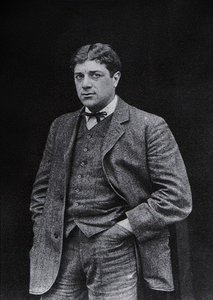
1882–1963, فرنسا
جورج براك
البدايات المبكرة والأسس الفنية وُلد جورج براك في مدينة أرغنتوي بفرنسا عام 1882، وقضى سنواته الأولى في مدينة لو هافر، حيث نشأ في كنف عائلة اتسمت حياتها بالانشغال العملي بفنون الديكور واللون. وبحكم نشأته في عائلة من رسامي المنازل والمزخرفين، انغمس براك في الواقع الملموس لحرفته منذ نعومة أظفاره، مما أضفى على تكوينه أساساً متيناً من الحرفية التقنية التي صقلت رؤيته الفنية لاحقاً وألهمت أسلوبه في التعامل مع اللوحة. وقبل أن يشرع في خوض غمار الفنون الجميلة، سلك براك المسار التقليدي الذي اتبعته عائلته، حيث بدأ حياته المهنية كمتدرب في مهنة طلاء المنازل والديكور. ولم تكن هذه الفترة من العمل اليدوي مجرد مرحلة عابرة، بل غرست في وجدانه فهماً عميقاً لطبيعة المواد والخصائص الفيزيائية للأسطح؛ إذ منحت هذه التدريبات العملية منظوراً واقعياً حول كيفية تفاعل الأصباغ مع الملامس المختلفة، وهي الحساسية الفنية التي ميزت تجاربه اللاحقة في استكشاف المادية والكتلة.
وأيضاً لـ جورج براك
 الماندولا1910
 رجل يعزف على الجيتار1914
 المنازل في إستاك
 ميناء في نورماندي1909
مقالات حول The Round Table
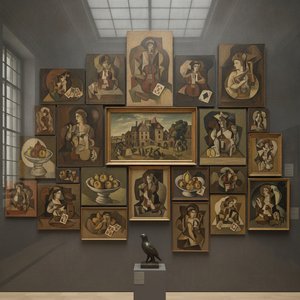 Mastering Cubism: The Top 25 Georges Braque ArtworksJourney through the revolutionary world of Georges Braque. Explore 25 iconic Cubist masterpieces, from geometric abstractions to timeless s…
 Deconstructing Reality: Cubism's Revolutionary Impact on 20th-Century ArtExplore the revolutionary world of Cubism with OriginalUniqueArt. Discover Picasso & Braque's groundbreaking techniques, its philosophical …
 Understanding the Difference Between Analytical and Synthetic CubismMaster the differences between Analytical and Synthetic Cubism with our expert guide. Learn to identify these iconic art movements now.