- الرئيسية

- طباعة على كانفاس
- جورج براك
- The Pedestal

 Preview
 اطلب نسخة مرسومة يدوياً شراء الصورة بدقة عالية
 مشاركة
 مشاركة
 التفاصيل
 أضف إلى المفضلة

 تحميل الملف
 قطع مشابهة
 الأشعة السينية
 عرض شرائح
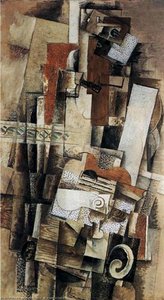
The Pedestal
 Oil On Canvas
- WallArt
- Cubism
 1938
1938- Modern
 106.0 x 193.0 cm
 عرض المزيد
طباعة جيلي / مطبوعات فنية
طباعة جيكلي أو كانفاس بجودة المتاحف، مع سرعة في التنفيذ وخيارات متنوعة للتشطيب.




P118B $10

P118H $10

P118W $10

P438Z $10

P508JH $12

P508YH $12

P805H $10

P805Z $10

P919BZ $10

P919G $10

P919XJ $10

P959ZH $10

P968JZ $12

W106C $8

W218G $10

W218JH $8

W218Y $10

W307PJ $10

W316G $10

W316PJ $8

W316Y $10

W398PJ $8

W4111J $10

W500HY $15

W500JH $15

W692G $12

W849H $8

W940BG $15

W953PJ $8




اختر من بين أحجامنا المُعدّة مسبقًا والتي تتطابق مع النسب الأصلية للعمل الفني.

يمكنك إدخال أبعادك الخاصة لتناسب إطاراً أو مساحة معينة. وإذا لم يتطابق الحجم الذي اخترته مع نسب الصورة الأصلية، فسنقوم إما بقص العمل الفني أو تمديد الصورة باستخدام حافة معكوسة أو بلون مصمت. سيتم إرسال نموذج تجريبي رقمي لاعتمادك قبل بدء الإنتاج.
يرجى ملاحظة أن المعاينة على الشاشة لا تعكس عملية القص أو التمديد الفعلية؛ حيث سيوضح النموذج التجريبي فقط التكوين النهائي بدقة.
وعلى الرغم من توفر أحجام مخصصة، إلا أننا نوصي باختيار أبعاد من القائمة المحددة مسبقاً للحفاظ على النسب الأصلية.
توصيل عالمي إلى خلال أسبوعين بدلاً من المدة القياسية البالغة 4/5 أسابيع. 23 يوليو

شحن سريع ومجاني لجميع أنحاء العالم

قماش كتان عالي الجودة

تأمين شحن شامل

ضمان استرداد الرسوم الجمركية

ضمان مطابقة الألوان الحقيقية

سياسة الإرجاع خلال 60 يومًا (في حالات العيوب فقط)

ضمان استرداد نقدي بنسبة 100%

خصم عند طلب عدة قطع
 خيار الزجاج متاح فقط للمقاسات التي تقل عن 110 سم

The Pedestal
طباعة جيلي / مطبوعات فنية
مقاس النسخة المطبوعة
-


السعر الإجمالي النهائي
-
وصف القطعة الفنية
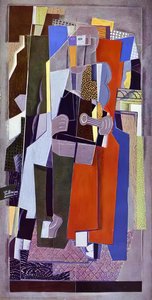
A Masterpiece of Analytical Cubism
Painted in 1938, this captivating work by Georges Braque exemplifies the height of Analytical Cubism – a revolutionary style he pioneered alongside Pablo Picasso. More than just a depiction of objects, it’s an intellectual dissection of form and perception, offering a compelling visual experience for any art enthusiast.
Deconstructing the Still Life
Braque presents a fragmented still life centered around musical instruments, most notably a guitar prominently positioned on the right. Hints of other stringed instruments and what appears to be sheet music further suggest a contemplation of artistic creation itself. The objects aren’t rendered realistically; instead, they are broken down into geometric planes and reassembled in a non-naturalistic manner. This deliberate fracturing isn't about destroying beauty but rather revealing the underlying structure of reality.
Technique & Palette: A Study in Subtlety
Executed in oil on canvas with dimensions of 106 x 193 cm, this artwork showcases Braque’s masterful technique. Visible brushstrokes define form and texture, yet remain restrained – serving the overall analytical approach rather than drawing attention to themselves. The color palette is deliberately muted, dominated by grays, browns, ochres, and blacks, punctuated by subtle warmth from touches of orange-red. This limited chromatic range enhances the artwork’s introspective mood and emphasizes its formal qualities.
Historical Significance & Artistic Innovation
Braque's contribution to Cubism was pivotal. He moved away from traditional representation, challenging viewers to actively reconstruct the image in their minds. This piece embodies that shift – abandoning single viewpoints for multiple perspectives presented simultaneously. It reflects a period of intense artistic experimentation and laid the groundwork for much of 20th-century art.
Symbolism & Emotional Resonance
The inclusion of eye-like forms within the composition adds a layer of psychological depth, suggesting themes of perception and consciousness. The fragmented nature can be interpreted as representing the breakdown of traditional artistic conventions or even the complexities of human experience. While intellectually stimulating, the artwork also evokes a sense of quiet contemplation and subtle melancholy through its subdued palette and fractured imagery.
Bringing Artistic Legacy into Your Space
A reproduction of this Braque masterpiece is more than just décor; it’s an investment in art history. Its sophisticated aesthetic complements modern interiors, adding depth and intellectual intrigue to any room. The muted tones work beautifully with neutral palettes, while the geometric forms provide a striking contrast to softer furnishings. This artwork invites conversation and offers a timeless statement of refined taste.
السيرة الذاتية للفنان
Georges Braque: Pioneer of Cubism and Master of Collage
Georges Braque, born in Argenteuil, France, on May 13, 1882, stands as one of the most transformative figures in the history of modern art. His formative years were steeped in the traditions of French painting—particularly the influence of his father’s profession as a house painter and decorator—which instilled within him not only technical proficiency but also an early sensitivity to form and structure. This foundational understanding would prove invaluable as he embarked on a daring journey toward dismantling established artistic conventions and forging new paths for visual expression. Moving to Paris in 1902, Braque immersed himself in the vibrant intellectual atmosphere of the city’s avant-garde circles. He enrolled at the École des Beaux-Arts, honing his skills alongside fellow artists like Marie Laurencin and Francis Picabia—connections that would propel him toward the genesis of Cubism. It was during this period that he encountered Cézanne's revolutionary ideas about geometric simplification and multiple perspectives, profoundly shaping his artistic trajectory. This encounter ignited a fervent desire to challenge traditional representation and explore new ways of perceiving reality.The Fauvist Revelation: Embracing Bold Color
A pivotal moment arrived in 1905 with Braque’s exposure to the Fauvist movement—a rebellion against Impressionism championed by Henri Matisse, André Derain, and Maurice Denis. The Fauves' audacious use of unmodulated color—often jarringly juxtaposed—captured raw emotion and disrupted the serene harmonies of earlier artistic styles. Inspired by Cézanne’s exploration of form and space, Braque adopted Fauvist principles, experimenting with vibrant palettes and simplified geometries in paintings like “The Patience.” This bold stylistic choice signaled a decisive break from academic tradition and cemented his commitment to expressing subjective experience through visual language.Cubism Emerges: Fragmentation and Multiple Perspectives
The true breakthrough occurred in 1907 when Braque encountered Cézanne’s retrospective exhibition at the Salon d'Automne—a landmark event that galvanized the Parisian avant-garde. Cézanne’s insistence on geometric forms and multiple viewpoints served as a catalyst for Braque’s groundbreaking collaboration with Pablo Picasso, initiating the birth of Cubism. Together, they dismantled objects into fragmented planes and presented them from various perspectives simultaneously—a radical departure from traditional illusionistic space. Works like “Houses at L'Estaque” exemplify this pioneering approach, demonstrating Braque’s unwavering dedication to challenging conventional representation and exploring the underlying structure of visual perception.Innovation Through Collage: Integrating Reality Into Art
Braque’s artistic vision extended beyond geometric abstraction; he embraced collage—the incorporation of real-world materials like newspaper clippings and fabric into paintings—as a means of disrupting illusionistic space and engaging with broader cultural contexts. This innovative technique, championed by Picasso and Braque themselves in 1912, reflected a growing interest in materiality and questioned the boundaries between art and life. Paintings such as “Violin and Palette” showcase Braque’s masterful manipulation of texture and color—elements that contribute to the overall expressive power of his oeuvre.Legacy: Shaping Modern Art's Course
Throughout his prolific career, Georges Braque remained steadfast in his pursuit of artistic innovation—a legacy that transcends individual artworks and encompasses a fundamental rethinking of visual representation. His collaborative spirit with Picasso revolutionized 20th-century art, establishing Cubism as one of the most influential movements of its time. Braque’s unwavering commitment to exploring form, space, and perspective continues to inspire artists today—solidifying his place as a true visionary who reshaped our understanding of beauty and artistic expression. His enduring influence underscores the transformative power of challenging conventions and embracing daring experimentation—a testament to his indelible mark on the history of art.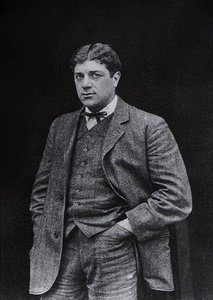
جورج براك
1882 - 1963 , فرنسا
حقائق سريعة
- Artistic Movement Or Style: كوبيزم، فافيزم
- Artists Who Influenced This Artist: ['هنري ماتيس"، "أندريه ديران"، "بول سزان']
- Date Of Birth: 1882
- Date Of Death: 1963
- Full Name: Georges Braque
- Nationality: فرنسي
- Notable Artworks: ['بيوت إستاك"، "الصبر"، "فينيل و بايبة']
- Place Of Birth: Argenteuil، فرنسا
مقالات ذات صلة

أعمال جورج براك الخالدة: 25 تحفة فنية تزين منزلك بلمسة فنية راقية
اكتشف 25 تحفة فنية لجورج براك، رائد الت تكعيبية. تعرف على قصص لوحاته الخالدة وألوانها الفريدة. طباعة لوحات أصلية عالية الجودة لديكور منزلي فاخر. استكشف المجموعة الكاملة الآن على OriginalUniqueArt.com!

أعمال جورج سورا الخالدة: 25 تحفة فنية تزين منزلك بلمسة فنية راقية
اكتشف 25 تحفة فنية آسرة لجورج سورا، رائد النقطية والانطباعية الجديدة. استكشف قصص لوحاته الخالدة وألوانها المذهلة. احصل على إعادة إنتاج عالية الجودة لديكور منزلي فاخر على OriginalUniqueArt.com

أعمال بول سيزان الخالدة: 25 تحفة فنية تزين منزلك بجمال الألوان والضوء
اكتشف 25 تحفة فنية لبول سيزان، رائد الانطباعية وما بعد الانطباعية. استكشف قصص لوحاته الزيتية الشهيرة وألوانه الجريئة وتقنياته الفريدة. احصل على إلهام لديكور منزلك الفاخر مع OriginalUniqueArt.com.

Silent Narratives: Exploring the Enduring Appeal of Still Life Painting Across Centuries
Explore the rich history of still life painting with OriginalUniqueArt. Discover Dutch Masters, decode vanitas symbolism & learn about collecting timeless art. Expert insights and museum-quality reproductions.
أعمال كلود مونيه الخالدة: 25 تحفة فنية تزين منزلك بجمال الانطباعية
اكتشف 25 تحفة فنية لكلود مونيه، رائد الانطباعية. استكشف قصص لوحاته الخالدة وتقنياته الفريدة وألوانه الساحرة. احصل على نسخ عالية الجودة لديكور منزلك الفاخر على OriginalUniqueArt.com