
 معاينة الحجم الواقعي
 مشاركة
 مشاركة
 التفاصيل
 دليل
دليل

 تحميل الملف
 قطع مشابهة
 الأشعة السينية
 عرض شرائح
 الأسئلة والأجوبة
 الإحصائيات
Interior with Palette

- 145.0 x 195.0 cm


 عرض المزيد
إن العمل الفني المعروض في هذه الصفحة محمي بموجب قوانين حقوق الطبع والنشر، مما يعني أنه لا يحق لنا قانوناً إنشاء أو بيع نسخ مطابقة له. وتُطبق هذه الحماية بموجب الاتفاقيات الدولية مثل الـ اتفاقية برن ووفقاً للقوانين الوطنية، بما في ذلك تلك المنصوص عليها في قانون حقوق الطبع والنشر في الولايات المتحدة - الباب 17.
تتوافق هذه الطريقة تماماً مع لوائح حقوق النشر لأنها لا تتضمن نسخ أو تكرار العمل الفني المحمي، بل هي إعادة تفسير إبداعية؛ أي أنها لوحة جديدة مستوحاة من الأصل ولكنها ليست مطابقة له.
طباعة جيلي / مطبوعات فنية
طباعة جيكلي أو كانفاس بجودة المتاحف، مع سرعة في التنفيذ وخيارات متنوعة للتشطيب. ( شراء لوحة مرسومة يدويًا الانتقال إلى الصورة الرقمية)




P118B E£10

P118H E£10

P118W E£10

P438Z E£10

P508JH E£12

P508YH E£12

P805H E£10

P805Z E£10

P919BZ E£10

P919G E£10

P919XJ E£10

P959ZH E£10

P968JZ E£12

W106C E£8

W218G E£10

W218JH E£8

W218Y E£10

W307PJ E£10

W316G E£10

W316PJ E£8

W316Y E£10

W398PJ E£8

W4111J E£10

W500HY E£15

W500JH E£15

W692G E£12

W849H E£8

W940BG E£15

W953PJ E£8




اختر من بين أحجامنا المُعدّة مسبقاً والتي تتوافق مع النسب الأصلية للعمل الفني.

أدخل العرض والارتفاع المطلوبين ليتناسب المقاس مع إطارك أو جدارك. يرجى الملاحظة أن المطبوعة يمكن قصها فقط ولا يمكن تكبيرها لتتجاوز أبعاد الصورة الأصلية، لذا فإن اختيار مقاس بأبعاد مختلفة سيؤدي إلى فقدان جزء من الصورة. سنرسل لك نموذجاً رقمياً تجريبياً لاعتماده قبل البدء في عملية الطباعة. الصورة المعروضة في هذه الصفحة لا توضح شكل القص الفعلي — النموذج التجريبي فقط هو ما يظهر ذلك بدقة.
توصيل عالمي إلى خلال أسبوعين بدلاً من المدة القياسية البالغة 4/5 أسابيع. (11 نوفمبر)

شحن سريع ومجاني لجميع أنحاء العالم

قماش كتان عالي الجودة

تأمين شامل على الشحن

ضمان استرداد الرسوم الجمركية

ضمان مطابقة الألوان الحقيقية

سياسة الإرجاع خلال 100 يوم (في حالات العيوب فقط)

ضمان استرداد نقدي بنسبة 100%

خصم عند طلب كميات
 خيار الزجاج متاح فقط للمقاسات التي تقل عن 110 سم

Interior with Palette
طباعة جيلي / مطبوعات فنية
مقاس النسخة المطبوعة
-


إجمالي السعر النهائي
E£ 4277
A Contemplative Interior: Unveiling Braque’s ‘Interior with Palette’
Georges Braque's *Interior with Palette*, painted in 1942, offers a compelling glimpse into the artist’s mature style – a refined and introspective phase following his pivotal role in pioneering Cubism. This large-scale work (145 x 195 cm) isn’t merely a depiction of an interior; it's a carefully constructed meditation on space, form, and the act of painting itself.Subject & Composition
The artwork presents a still life arrangement within a domestic setting. We see chairs, a table, and potted plants – everyday objects rendered with a striking degree of geometric simplification. The composition is vertically oriented, drawing the eye upwards towards the foliage and emphasizing the height of the room. A clear foreground-background division exists, though depth is subtly suggested rather than realistically portrayed through flattened perspective. The inclusion of a palette immediately signals the artist’s presence and invites us to consider the creative process itself. It's as if we are observing a paused moment in Braque’s studio, a quiet space for thought and creation.Style & Technique
*Interior with Palette* exemplifies Braque’s post-Cubist style. While echoes of Cubism remain – particularly in the fractured planes and geometric forms – the work moves away from the radical fragmentation of his earlier collaborations with Picasso. Here, shapes are more defined, less overlapping, and possess a greater sense of solidity. The technique is characterized by visible brushstrokes and an impasto application of oil paint, creating a rich texture that adds depth and visual interest. The muted palette of greens and browns contributes to the overall somber and contemplative mood. Notice how Braque uses angular lines and blocky shapes to emphasize structure over naturalistic representation.Historical Context & Artistic Evolution
1942 was a period of significant upheaval in Europe during World War II. Braque, like many artists, experienced disruption and displacement. This sense of constraint and introspection may be reflected in the contained space and quietude of *Interior with Palette*. Following his groundbreaking work on Cubism in the 1910s, Braque continued to evolve his style throughout his career. He explored various approaches, always maintaining a commitment to formal rigor and poetic sensibility. This painting represents a moment where he synthesizes lessons learned from Cubism with a renewed focus on color, texture, and atmospheric effect. It’s important to remember that Braque was a master of many styles, but this work showcases his unique ability to distill complex ideas into deceptively simple forms.Symbolism & Emotional Impact
While not overtly symbolic, the arrangement of objects within *Interior with Palette* invites interpretation. The contained space could represent the artist’s inner world or a refuge from external turmoil. The presence of plants suggests life and growth even amidst stillness. The palette itself is a potent symbol of artistic creation and the transformative power of painting. The overall emotional impact is one of quiet contemplation, solitude, and perhaps a subtle sense of melancholy.- The limited color palette reinforces this mood.
- The simplified forms create a sense of order and control.
- The lack of human figures emphasizes the absence and introspection.
For Collectors & Interior Designers
*Interior with Palette* is a significant work by a pivotal figure in 20th-century art. A high-quality reproduction would be an exceptional addition to any collection, bringing a touch of sophisticated calm and intellectual depth to a space. The muted color scheme and geometric forms make it particularly well-suited for modern or minimalist interiors. Its large size commands attention, making it a focal point in a living room, study, or dining area. The painting’s subtle complexity ensures that it will continue to reward close viewing and inspire thoughtful reflection for years to come.الأسئلة والأجوبة
كيف يرتبط موضوع "Interior with Palette" بالمواضيع المعتادة لدى جورج براك؟
يصور "Interior with Palette" موضوعات geometric abstraction, interior composition, palette still life, muted colors palette, domestic scene”, “quiet contemplation”, “braque’s style”، بينما تتمثل الثيمات المتكررة لدى جورج براك في picasso's cubist echoes, post-war domesticity", geometric precision, reflecting solitude, braque's analytical phase, early 20th century form, minimalist interior view. وتُظهر المقارنة بينهما مدى ارتباط هذا العمل بالموضوعات المعتادة للفنان.
هل تُعدّ "Interior with Palette" للفنان جورج براك لوحةً فاتحة الألوان أم داكنة؟
تتمثل القيم المسجلة لـ "Interior with Palette" للفنان جورج براك في: سطوع بمقدار balanced، وإضاءة بمقدار Soft Shadow.
من هو مؤلف "Interior with Palette" وفي أي عام أُنتج؟
رسم جورج براك لوحة "Interior with Palette" في عام 1942.
السيرة الذاتية للفنان
البدايات المبكرة والأسس الفنية
وُلد جورج براك في مدينة أرغنتوي بفرنسا عام 1882، وقضى سنواته الأولى في مدينة لو هافر، حيث نشأ في كنف عائلة اتسمت حياتها بالانشغال العملي بفنون الديكور واللون. وبحكم نشأته في عائلة من رسامي المنازل والمزخرفين، انغمس براك في الواقع الملموس لحرفته منذ نعومة أظفاره، مما أضفى على تكوينه أساساً متيناً من الحرفية التقنية التي صقلت رؤيته الفنية لاحقاً وألهمت أسلوبه في التعامل مع اللوحة.
وقبل أن يشرع في خوض غمار الفنون الجميلة، سلك براك المسار التقليدي الذي اتبعته عائلته، حيث بدأ حياته المهنية كمتدرب في مهنة طلاء المنازل والديكور. ولم تكن هذه الفترة من العمل اليدوي مجرد مرحلة عابرة، بل غرست في وجدانه فهماً عميقاً لطبيعة المواد والخصائص الفيزيائية للأسطح؛ إذ منحت هذه التدريبات العملية منظوراً واقعياً حول كيفية تفاعل الأصباغ مع الملامس المختلفة، وهي الحساسية الفنية التي ميزت تجاربه اللاحقة في استكشاف المادية والكتلة.
ومع انتقاله من حيز الحرفة اليدوية إلى رحاب الدراسة الأكاديمية، استقر براك في باريس عام 1902، حيث واصل مسيرته التعليمية في أكاديمية هومبرت، ساعياً إلى تهذيب مواهبه الفطرية من خلال الانضباط الأكاديمي الصارم. وقد وفرت هذه المرحلة من التعليم الرسمي الهيكل الضروري لرؤيته الفنية الآخذة في التبلور، حيث نجحت في جسر الفجوة بين التطبيق اليدوي للطلاء وبين السعي الفكري العميق نحو بناء التكوين الفني.
فترة الوحشية وتأثير سيزان
تشكلت السنوات الأولى من مسيرة جورج براك الفنية تحت ظلال الانطباعية وما بعد الانطباعية التي كانت لا تزال تلوح في الأفق. ففي بداياته، سعى من خلال استكشافاته الفنية إلى محاولة التقاط الخصائص العابرة للضوء والأجواء المحيطة، إلا أن جوعاً هيكلياً أعمق بدأ يتشكل في وجدانه الفني. وبحلول عام 1905، انحرف مساره نحو مبادئ المدرسة الوحشية، متبنياً استخداماً أكثر حدة وغير واقعي للألوان كوسيلة للتعبير عن العاطفة. وقد تميزت هذه الفترة بالابتعاد عن مجرد الملاحظة البصرية البسيطة، حيث بدأ يمنح الأولوية للقوة التعبيرية للوحة الألوان على حساب التصوير الحرفي لموضوعاته.
وجدت هذه الحرية اللونية المكتشفة حديثاً مرساها الضروري في أعمال بول سيزان. فقد وجد جورج براك نفسه منجذباً إلى الطريقة التي استخدم بها سيزان البنى المتماسكة والنهج المدروس في التعامل مع اللون لتنظيم المجال البصري. وكان هذا التقاطع بين اللون الوحشي والهندسة السيزانية هو ما حدد ملامح انتقاله نحو نمط أكثر راديكالية في الرؤية؛ إذ سعى إلى التوفيق بين الكثافة العاطفية لألوانه وبين الإحساس بالديمومة المعمارية.
وتتجلى نتائج هذا المزيج الفني بوضوح في عمله الذي أبدعه عام 1908، منازل إستاك. ففي هذه اللوحة، لم يعد المشهد الطبيعي مجرد مجموعة من الانطباعات الناعمة، بل تحول إلى سلسلة من المستويات الملونة والمائلة والأشكال الهندسية. إن تأثير سيزان هنا لا يمكن تخطئه، حيث اختُزلت التضاريس إلى أحجامها الجوهرية، وبدأ جورج براك في تفكيك المنظور التقليدي للمناظر الطبيعية، مستبدلاً إياه بواقع مجزأ ومنظم يعلي من شأن الشكل البنيوي الكامن في العالم.
تطور التكعيبية
بين عامي 1907 و1914، تحولت باريس إلى مسرح لإعادة هيكلة بصرية عميقة، تجلت من خلال التعاون الفني المثمر بين جورج براك وبابلو بيكاسو. وقد تجاوزت هذه الشراكة حدود الكثافة العاطفية التي ميزت المدرسة الوحشية، لتنطلق نحو استقصاء فكري أكثر عمقاً وجوهرية للشكل. ومن رحم هذا التفاعل، وُلدت "التكعيبية التحليلية"، وهي منهجية فنية قامت على تفكيك الأشياء إلى أشكال هندسية مجزأة؛ فبدلاً من محاولة محاكاة وهم الفضاء ثلاثي الأبعاد، سعى الفنانان إلى تمثيل كينونة الشيء وجوهره عبر تقديم وجهات نظر متعددة في آن واحد، مما أدى إلى تجريد الفن من المنظور التقليدي واستبداله بتكوين معقد من المستويات والخطوط المتداخلة.
ومع حلول عام 1912 تقريباً، شهدت الحركة تحولاً جذرياً نحو "التكعيبية التركيبية"، حيث ابتعدت عن عملية تفكيك الأشكال لتركز بدلاً من ذلك على بناء صور جديدة من خلال تجميع عناصر متنوعة. وكان جورج براك مبتكراً رائداً في هذا التحول، حيث استحدث تقنية الـ papier collé (الورق الملتصق) عبر دمج ورق الحائط في رسوماته. إن فعل لصق المواد الملموسة على سطح اللوحة قد تحدى الحدود التقليدية للقماش، مؤكداً على استقلالية اللوحة ككيان قائم بذاته، وليس مجرد نافذة تطل على عالم آخر. وقد ركزت أعماله خلال هذه الحقبة على العلاقة الجدلية بين التمثيل الفني والواقع الملموس للمواد المستخدمة.
- منازل إستاك (1908)
- رجل مع غيتار (1911)
- طبق فاكهة وكأس (1912)
التقنية والابتكار الفني
اتسم نهج جورج براك في التعامل مع اللوحة بفضول جامح لا يهدأ تجاه الخصائص المادية لمواده الفنية؛ فقد تجاوز الحدود التقليدية للرسم الزيتي عبر إدخال عناصر تتحدى إيهام العمق البصري. ومن خلال دمج مواد من العالم الواقعي، مثل قصاصات الصحف وورق الحائط والقماش، استطاع كسر حدة المنظور الأحادي لسطح اللوحة. وقد أفضت هذه التجارب الرائدة إلى تطوير تقنية papier collé (الورق المُلصق)، وهي طريقة تعتمد على لصق الورق أتاحت له دمج ملامس الحياة اليومية مباشرة في تكويناته الفنية، سعياً منه لردم الفجوة بين الصورة المرسومة والشيء الملموس.
كما تميزت حقيبته التقنية بحس ملموس يكاد يكون نحتياً؛ حيث كان يمزج الأصباغ بالرمل في كثير من الأحيان لتغيير ملمس السطح، مما يخلق خشونة فنية تلتقط الضوء بطرق غير متوقعة. ولتعميق قدرته على التلاعب بإدراك المشاهد للمساحة والمادية، خاض تجارب لمحاكاة الأنماط البصرية لعروق الخشب والرخام. ولم يكن هذا مجرد خيار زخرفي، بل كان وسيلة لاستكشاف كيفية تفاعل الأسطح المختلفة مع الضوء والشكل. كما استخدم الحروف المطبوعة عبر القوالب (الاستنسل) في أعماله، وهي تقنية أضفت بُعداً غرافيكياً وساعدت في تثبيت التكوين الفني ضمن واقع حديث ومقروء.
- طبق الفاكهة والكأس (1912)
- الكمان والغليون (1912)
- الكلارينيت وزجاجة الرم في المدفأة (1912)
الحرب والتحول الأسلوبي
جاء اندلاع الحرب العالمية الأولى في عام 1914 ليحدث انقطاعاً مفاجئاً وعنيفاً في المسار الفكري الرصين للحركة التكعيبية. فقد استُدعي جورج براك للخدمة العسكرية، وهي الفترة التي لم تغير فقط حالته الجسدية، بل أعادت صياغة مزاجه الإبداعي بالكامل. وفي عام 1915، تعرض لإصابة خطيرة في الرأس أثناء وجوده في الخنادق، وهي إصابة أدت إلى فقدانه البصر مؤقتاً واستلزمت عملية جراحية دقيقة لاستعادة رؤيته. هذا الاحتكاك المباشر مع الظلام أحدث تحولاً جذرياً في إدراكه البصري؛ فالبنى التحليلية الصارمة التي ميزت سنواته السابقة بدأت في الليونة، وحلّت محلها مقاربة أكثر ذاتية وشاعرية لموضوعاته الفنية.
وعند عودته من الحرب، لم تعد القيود الهندسية الصارمة التي ميزت تعاونه السابق مع بيكاسو هي شاغله الوحيد. فقد تطور أسلوبه ليدمج عناصر من التكوين الكلاسيكي، باحثاً عن إحساس بالتوازن والانسجام يبدو أكثر تجذراً في العالم المادي الملموس. لقد ابتعد عن التفكيك الذهني البحت للشكل، متبنياً طريقة رؤية أكثر دقة وتأملاً؛ حيث لم يعد عمله يتمحور حول تفتيت الفضاء بقدر ما أصبح يركز على الأجواء الهادئة والسكينة التي تحيط بالأشياء ذاتها.
- طبيعة صامتة مع أوراق اللعب (1919)
الأعمال الرئيسية والقطع البارزة
تتجلى مسيرة جورج براك الفنية من خلال تكوينات بصرية محددة تؤرخ لتحولاته الفكرية والتقنية العميقة؛ ففي عام 1908، برزت لوحة منازل إستاك، التي استخدمت مستويات ملونة مائلة وأشكالاً هندسية عكست قطيعة مع المنظور التقليدي. واستمرت هذه الحقبة التجريبية حتى عام 1910 مع عمل الكمان واللوحة، وهو عمل وظّف الورق والوسائط المختلطة لدراسة كيفية تفاعل اللون مع الشكل. وبحلول عام 1911، انتقل تركيزه نحو تفكيك الفضاء في لوحة رجل مع غيتار، وهي قطعة تجسد النهج التحليلي الذي طوره جنباً إلى جنب مع معاصريه.
ومع تطور أساليبه، أدى إدخال مواد جديدة إلى تغيير ملمس لوحاته؛ حيث أظهر عمله من عام 1912، طبق الفاكهة وكأس، الانتقال نحو أسلوب أعيد فيه دمج الموضوعات المألوفة من خلال استخدام تقنية الكولاج. وحتى بعد اضطرابات الحرب، حافظ إنتاجه الفني على صلة وثيقة باستكشافاته المبكرة؛ فلوحة الموسيقي، التي أبدعها عام 1918، تعكس فترة من التحول الشخصي، بينما تظهر لوحته المتأخرة من عام 1955، طائران، اهتماماً مستمراً بالخصائص الجوهرية للمواضيع التي اختارها.
- ماندولا (1910)
- طبيعة صامتة مع قيثارة وكمان (1912)
- غيتار (1913)
- طبيعة صامتة مع أوراق اللعب (1919)
الإرث والأثر الخالد
حتى لحظة رحيله في الحادي والثلاثين من أغسطس عام 1963، كان جورج براك قد أحدث تغييراً جذرياً في فهمنا لكيفية إدراك العالم وتمثيله بصرياً. وبصفته أحد المؤسسين لحركة التكعيبية، ساهم في تفكيك الاعتماد الطويل على المنظور التقليدي، مستبدلاً إياه بواقع مجزأ ومتعدد الأبعاد. لم تكن أعماله مجرد محاكاة للطبيعة، بل كانت سعياً حثيثاً لالتقاط جوهر الأشياء من خلال دراسة صارمة للشكل والفضاء، وهو التحول الذي فرض تغييراً دائماً في اللغة البصرية للقرن العشرين.
إن تأثيره على الأجيال اللاحقة من الفنانين يظل عصياً على القياس؛ فمن خلال ابتكاره لتقنية papier collé ودمج المواد اليومية في تكويناته الفنية، نجح في جسر الهوة بين سطح اللوحة والعالم الملموس. لقد تحدى هذا الابتكار حدود ما يمكن أن تكون عليه اللوحة، ممهداً الطريق لاستكشافات مستقبلية في مفهوم الملمس والمادية. وحتى عندما تطور أسلوبه نحو موضوعات أكثر غنائية وسكينة في سنواته الأخيرة، ظلت السلامة البنيوية لأسسه التكعيبية حاضرة بقوة في نتاجه الفني.
- منازل إستاك
- رجل مع غيتار
- طبق فاكهة وكأس
- كمان وغليون
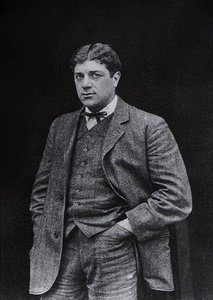
جورج براك
1882 - 1963 , فرنسا
حقائق سريعة
- أعمال فنية بارزة:
- منازل إستاك
- الصبر
- الكمان ولوحة الألوان
- مندولا
- الاسم الكامل: جورج براك
- الجنسية: فرنسي
- الحركة الفنية أو الأسلوب:
- المدرسة الوحشية
- التكعيبية
- التكعيبية التحليلية
- التكعيبية التركيبية
- الفنانون أو الحركات التي تأثرت بهذا الفنان: ['الفن الحديث']
- الفنانون الذين أثروا في هذا الفنان:
- هنري ماتيس
- أندريه ديران
- بول سيزان
- تاريخ الميلاد: 1882
- تاريخ الوفاة: 1963
- مكان الميلاد: أرغنتوي، فرنسا
مقالات ذات صلة

أعمال جورج سورا الخالدة: 25 تحفة فنية تزين منزلك بلمسة فنية راقية
اكتشف 25 تحفة فنية آسرة لجورج سورا، رائد النقطية والانطباعية الجديدة. استكشف قصص لوحاته الخالدة وألوانها المذهلة. احصل على إعادة إنتاج عالية الجودة لديكور منزلي فاخر على OriginalUniqueArt.com

Cubist Still Life: Redefining Reality Through Fragmented Forms and Geometric Abstraction
Explore the profound evolution of Cubist still life, from Cézanne's structural foundations to the fragmented brilliance of Braque and Léger. Discover how geometric abstraction redefined reality through a sophisticated lens of form, color, and modern artistic mastery.
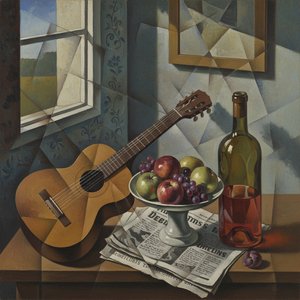
Deconstructing Reality: A Comprehensive Exploration of Cubist Still Life
Explore the revolutionary world of Cubist Still Life with OriginalUniqueArt. Discover Picasso & Braque's groundbreaking techniques, its philosophical roots, and lasting impact on modern art. Expert insights for collectors.

أعمال جورج براك الخالدة: 25 تحفة فنية تزين منزلك بلمسة فنية راقية
اكتشف 25 تحفة فنية لجورج براك، رائد الت تكعيبية. تعرف على قصص لوحاته الخالدة وألوانها الفريدة. طباعة لوحات أصلية عالية الجودة لديكور منزلي فاخر. استكشف المجموعة الكاملة الآن على OriginalUniqueArt.com!

Fragmented Reality: A Guide to the Power and Perspective of Cubist Still Life Art
Explore the profound depth of Cubist still life art. Our expert guide delves into the revolutionary techniques of Picasso and Braque, offering art enthusiasts a deep understanding of fragmented reality, geometric form, and the enduring power of Cubism in fine art.


