German Expressionism · 1914
Fighting Forms (فرانتس مارك, 1914)
أبدع فرانتس مارك (1880–1916) في Fighting Forms. يعود تاريخها إلى 1914. تنتمي إلى حركة German Expressionism. صُنعت من Oil On Canvas. تُحفظ في Bayerische Staatsgemaldesammlungen في ميونخ, ألمانيا. أبعادها 91 × 131 cm
- 1914
- Oil On Canvas
- 91 × 131 cm
- Bayerische Staatsgemaldesammlungen, ميونخ

 معاينة الحجم الواقعي

 لوحة زيتية مرسومة يدوياً
 مشاركة
 مشاركة
 بطاقة المعلومات


 تحميل الملف
 قطع مشابهة
 الأشعة السينية
 عرض شرائح
 الأسئلة والأجوبة

 الإحصائيات
Fighting Forms باختصار
- العنوان
- Fighting Forms
- الفنان
- فرانتس مارك (1880–1916)
- تاريخ ميلاد الفنان
- ميونيخ, ألمانيا
- التاريخ
- 1914
- الوسيط الفني
- Oil On Canvas
- الأبعاد
- 91 × 131 cm
- أماكن العرض
- Bayerische Staatsgemaldesammlungen, ميونخ, ألمانيا
- الحركة
- German Expressionism
- الموضوع
- expressionism, conflict, red, black, animals, anxiety
ماذا يصور Fighting Forms؟
A Symphony of Conflict: Unpacking the Power of Franz Marc’s *Fighting Forms*
Franz Marc's 1914 painting, *Fighting Forms*, isn’t merely a visual representation; it’s an intensely felt experience. Created during a period of escalating anxieties surrounding the impending First World War, this work embodies the core tenets of Expressionism – a movement dedicated to conveying subjective emotions and inner turmoil rather than objective reality. Marc, a founding member of Der Blaue Reiter, sought to capture not just what he saw, but how he *felt*, channeling his spiritual concerns into a language of vibrant color and dynamic form. The painting immediately confronts the viewer with a swirling vortex of red and black, hues that instinctively evoke danger, struggle, and perhaps even death. Yet, within this apparent chaos lies a profound sense of yearning – a desperate plea for understanding amidst the looming darkness.
- The Palette of Emotion: Marc’s masterful use of color is paramount. The dominant reds represent aggression, violence, and the destructive forces threatening to consume humanity. These fiery tones are juxtaposed with the darker blacks and browns, symbolizing the unknown, the unconscious, and the inevitable consequences of conflict.
- Animal as Symbol: As a lifelong devotee of the animal kingdom, Marc frequently employed them as symbolic figures in his work. While not explicitly depicted here, the forms themselves suggest a primal struggle – a dance between predator and prey, life and death. This connection to the natural world provides a grounding element within the painting’s emotional intensity.
Deconstructing Abstract Forms: A Language of Tension
The composition of *Fighting Forms* is deliberately abstract, eschewing realistic representation in favor of conveying raw emotion. The swirling shapes aren't meant to depict specific objects or figures; instead, they embody the very essence of conflict – a chaotic interplay of opposing forces. Marc’s brushwork is loose and gestural, emphasizing movement and energy over precise detail. Notice how the lines seem to vibrate with an almost palpable tension, mirroring the anxieties of the era. The painting feels less like a static image and more like a captured moment of intense emotional upheaval – a visual representation of a battle waged not just on the battlefield, but within the human psyche.
Technique & Materials: Executed in oil on canvas, Marc’s technique is characterized by bold strokes and an expressive application of paint. The layering of colors creates depth and dynamism, while the loose brushwork contributes to the painting's overall sense of movement and urgency.Historical Context: A Precursor to War
To fully appreciate *Fighting Forms*, it’s crucial to understand its creation within the context of 1914. Europe was teetering on the brink of war, and Marc, like many artists of his time, felt a deep sense of foreboding. His work reflects this anxiety – not through explicit depictions of warfare, but through an exploration of the underlying emotions that fueled it: fear, uncertainty, and the potential for destruction. *Fighting Forms* can be seen as a visual meditation on the fragility of peace and the ever-present threat of violence. It’s a poignant reminder of how art can serve as a powerful reflection of its time.
A Legacy of Emotional Resonance
Franz Marc's *Fighting Forms* remains a profoundly moving work of art, continuing to resonate with viewers over a century later. Its abstract forms and emotionally charged colors capture the anxieties of a turbulent era while simultaneously offering a glimpse into the artist’s deeply held spiritual beliefs. Reproductions of this powerful painting offer an opportunity to bring its intensity into any space, prompting contemplation on themes of conflict, spirituality, and the enduring human condition. Consider how the vibrant hues might transform a room – injecting it with a sense of urgency and introspection.
أي متحف يضم Fighting Forms؟
Bayerische Staatsgemaldesammlungen
ميونخ, ألمانيا
تاريخ Bayerische Staatsgemaldesammlungen تضرب جذور Bayerische Staatsgemaldesammlungen في أعماق التاريخ، وتحديداً في عام 1799 مع تأسيس Centralgemäldegaleriedirektion. وفي قلب مدينة ميونيخ الألمانية، بدأت هذه المؤسسة كفضاء منتقى بعناية صُمم خصيصاً ليكون مستقراً للمجموعات الملكية؛ وهو غرض يعكس حقبة كان الفن فيها حبيس الدوائر الخاصة للنبلاء، قبل أن يتحول إلى مورد ثقافي متاح للعامة كما نراه اليوم. إن تاريخ هذه المجموعة ليس مجرد سرد للأعمال الفنية، بل هو نسيج متشابك مع السردية التاريخية العريضة لإقليم بافاريا نفسه.


صور عالية الدقة لـ Fighting Forms

فرانتس مارك, Fighting Forms (1914).
فرانتس مارك (1880–1916), Fighting Forms, 1914, oil on canvas, Bayerische Staatsgemaldesammlungen, ميونخ, ألمانيا. ملك عام الصورة: OriginalUniqueArt.com.
أسئلة وإجابات حول Fighting Forms
أين يمكنني مشاهدة العمل الأصلي "Fighting Forms" للفنان فرانتس مارك؟
يمكنكم مشاهدة العمل الأصلي "Fighting Forms" في Bayerische Staatsgemaldesammlungen, ميونخ, ألمانيا.
في أي عام أُنجز "Fighting Forms"؟
تاريخ إبداع "Fighting Forms" للفنان فرانتس مارك يعود إلى عام 1914.
ما هي التقنية المستخدمة في صنع "Fighting Forms"؟
تعتمد التقنية المستخدمة في "Fighting Forms" للفنان فرانتس مارك على Oil On Canvas، وتهدف النسخ المطبوعة إلى محاكاة مظهر هذه التقنية.
ما هي أبعاد العمل الأصلي "Fighting Forms" للفنان فرانتس مارك؟
تبلغ أبعاد "Fighting Forms" في شكلها الأصلي 91 x 131 cm. وتُعد الأبعاد الأصلية مرجعاً مفيداً عند اختيار حجم النسخة المطبوعة.
ما هي الموضوعات التي يتناولها "Fighting Forms" للفنان فرانتس مارك؟
تتضمن الموضوعات المتضمنة في "Fighting Forms" للفنان فرانتس مارك كلاً من expressionism, conflict, red, black, animals, anxiety, war, forms، والتي تلخص مجتمعةً فحوى العمل الفني.
هل يمكن إعادة إنتاج صورة "Fighting Forms" للفنان فرانتس مارك بحرية؟
أما بخصوص حقوق الطبع والنشر، فإن "Fighting Forms" تندرج ضمن ملك عام - انتهت مدة حماية حقوق الطبع والنشر الخاصة به.
من هو الفنان الذي يُنسب إليه العمل "Fighting Forms"؟
يُنسب العمل "Fighting Forms" إلى فرانتس مارك.
إلى أي حركة فنية ينتمي العمل "Fighting Forms" للفنان فرانتس مارك؟
ينتمي العمل "Fighting Forms" إلى مدرسة German Expressionism، وهي المدرسة التي تمثل التقليد الفني الذي يندرج ضمنه هذا العمل.
إلى أي مرحلة من مسيرة فرانتس مارك الفنية تنتمي لوحة "Fighting Forms"؟
تندرج لوحة "Fighting Forms" ضمن مرحلة Late Period من مسيرة فرانتس مارك المهنية، وهي مرحلة تتيح مقارنة هذا العمل بأعمال الفنان الأخرى.
عن الفنان، فرانتس مارك

1880–1916, ألمانيا
فرانتس مارك
الحياة المبكرة، العائلة والتدريب ولد فرانز مارك في مدينة ميونيخ بألمانيا، ونشأ في كنف أسرة كانت اللغة البصرية للمناظر الطبيعية متجذرة فيها بالفعل؛ فقد كان والده، فيلهلم مارك، رسام مناظر طبيعية محترفًا، مما أتاح له مقدمة مباشرة، وإن لم تكن مؤكدة تمامًا، إلى آليات الفن وأسراره. هذا الارتباط العائلي جعل أدوات المهنة حاضرة في حياته منذ البداية، ومع ذلك، لم يكن مسار مارك خطًا مستقيمًا من الميراث إلى اللوحة. فقبل أن يكرس حياته للرسم، قضى فترة من الزمن في صراع مع اللاهوت، وهي مرحلة من البحث الروحي العميق التي ستحدد لاحقًا مدى كثافة وعمق نتاجه البصري. إن هذا التوتر القائم بين ما هو مقدس وما هو مادي هو ما يمنح أعماله اللاحقة ثقلها الخاص والمميز.
أعمال أخرى لـ فرانتس مارك
 الحصان الأزرق 11911
 بدون عنوان (4325)
 الخُيول الزرقاء الكبيرة1911
 تيول1914
مقالات حول Fighting Forms
 The Visceral Language of Emotion: Exploring Representations of Intense Feeling in Art HistoryExplore the profound history of emotional representation in art. Discover how masters like Goya evoked feeling & the impact of affect theor…
 25 Masterpieces by Franz Marc: The Soul of German ExpressionismFranz Marc co-founded the Blue Rider movement in Munich. See 25 works including The Large Blue Horses and Tyrol from the era of Expressioni…
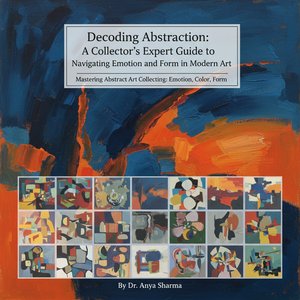 Beyond Representation: Decoding Emotion and Meaning in Modern Abstract ArtExplore the profound world of Abstract Expressionism with OriginalUniqueArt. Discover its history, emotional power & key artists like Pollo…