معاينة الحجم الواقعي
 مشاركة
 مشاركة
 التفاصيل
 دليل
دليل

 تحميل الملف
 قطع مشابهة
 الأشعة السينية
 عرض شرائح
 الأسئلة والأجوبة
 الإحصائيات
Illustration for Goethe's Faust

- 225.0 x 295.0 cm


 عرض المزيد
طباعة جيلي / مطبوعات فنية
طباعة جيكلي أو كانفاس بجودة المتاحف، مع سرعة في التنفيذ وخيارات متنوعة للتشطيب. ( شراء لوحة مرسومة يدويًا الانتقال إلى الصورة الرقمية)




P118B E£10

P118H E£10

P118W E£10

P438Z E£10

P508JH E£12

P508YH E£12

P805H E£10

P805Z E£10

P919BZ E£10

P919G E£10

P919XJ E£10

P959ZH E£10

P968JZ E£12

W106C E£8

W218G E£10

W218JH E£8

W218Y E£10

W307PJ E£10

W316G E£10

W316PJ E£8

W316Y E£10

W398PJ E£8

W4111J E£10

W500HY E£15

W500JH E£15

W692G E£12

W849H E£8

W940BG E£15

W953PJ E£8




اختر من بين أحجامنا المُعدّة مسبقاً والتي تتوافق مع النسب الأصلية للعمل الفني.

أدخل العرض والارتفاع المطلوبين ليتناسب المقاس مع إطارك أو جدارك. يرجى الملاحظة أن المطبوعة يمكن قصها فقط ولا يمكن تكبيرها لتتجاوز أبعاد الصورة الأصلية، لذا فإن اختيار مقاس بأبعاد مختلفة سيؤدي إلى فقدان جزء من الصورة. سنرسل لك نموذجاً رقمياً تجريبياً لاعتماده قبل البدء في عملية الطباعة. الصورة المعروضة في هذه الصفحة لا توضح شكل القص الفعلي — النموذج التجريبي فقط هو ما يظهر ذلك بدقة.
توصيل عالمي إلى خلال أسبوعين بدلاً من المدة القياسية البالغة 4/5 أسابيع. (6 نوفمبر)

شحن سريع ومجاني لجميع أنحاء العالم

قماش كتان عالي الجودة

تأمين شامل على الشحن

ضمان استرداد الرسوم الجمركية

ضمان مطابقة الألوان الحقيقية

سياسة الإرجاع خلال 100 يوم (في حالات العيوب فقط)

ضمان استرداد نقدي بنسبة 100%

خصم عند طلب كميات
 خيار الزجاج متاح فقط للمقاسات التي تقل عن 110 سم

Illustration for Goethe's Faust
طباعة جيلي / مطبوعات فنية
مقاس النسخة المطبوعة
-


إجمالي السعر النهائي
E£ 4242
A Vision of Ambition and Desire
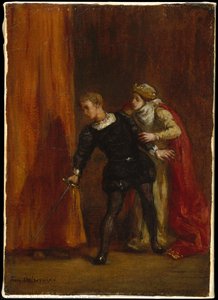
Eugène Delacroix's pencil drawing, “Illustration for Goethe’s Faust,” is more than just a depiction of a scene from the renowned German tragedy; it’s a potent distillation of Romantic ideals – a swirling vortex of movement, emotion, and dramatic intensity. Created in 1825 and currently residing within the hallowed halls of the Musée du Louvre in Paris, this work offers a glimpse into Delacroix's artistic soul and his profound engagement with the philosophical currents of his time. The image immediately commands attention: a powerfully mounted figure, draped in a turban and adorned with a flowing beard, dominates the composition, his hand firmly gripping a sword – a symbol of both power and potential conflict. He’s not merely riding; he's actively engaged, projecting an aura of command and restless energy.
The scene unfolds against a backdrop of implied action and subtle narrative. Two figures flank the central figure, their postures suggesting observation or perhaps even intervention in this unfolding drama. A soaring bird punctuates the upper portion of the image, adding a layer of dynamism and hinting at freedom – a concept frequently explored within the Romantic movement. Delacroix masterfully employs pencil to capture not just the likenesses of his subjects but also the very essence of their emotions; the tension in the horseman’s stance, the implied threat in his grip, all contribute to a palpable sense of unease and anticipation.
The Romantic Palette: Delacroix's Signature Style
Delacroix was a pivotal figure in the Romantic movement, rejecting the rigid formality of Neoclassicism in favor of expressive brushwork, vibrant color palettes, and emotionally charged subject matter. His “Illustration for Faust” exemplifies these characteristics perfectly. Unlike the smooth, polished surfaces favored by earlier artists, Delacroix’s pencil strokes are loose and visible, creating a sense of immediacy and movement. The drawing is rich with subtle tonal variations – from deep shadows that engulf portions of the scene to highlights that illuminate the figure's face and clothing – contributing to its dramatic effect. The use of light and shadow isn’t merely decorative; it serves to heighten the emotional impact, emphasizing the character’s intensity and vulnerability.
- Dynamic Composition: The diagonal thrust of the horseman’s posture creates a sense of forward momentum, pulling the viewer into the scene.
- Expressive Pencil Technique: Delacroix's loose, visible strokes convey energy and emotion, characteristic of Romanticism.
- Rich Tonal Range: The skillful use of light and shadow adds depth and drama to the composition.
A Window into Goethe’s World
Delacroix's drawing is a visual interpretation of Johann Wolfgang von Goethe’s epic tragedy, “Faust.” The story itself explores themes of ambition, desire, morality, and the consequences of unchecked pursuit of knowledge. Faust, a brilliant scholar consumed by dissatisfaction, makes a pact with Mephistopheles – the Devil – exchanging his soul for worldly pleasures and limitless power. The drawing captures this pivotal moment, hinting at the dangerous allure of forbidden knowledge and the potential for ruin that lies within such bargains. It’s important to note that Delacroix wasn't simply illustrating a scene from the play; he was conveying its underlying themes through visual language.
The connection between Delacroix and Goethe extends beyond this particular drawing. Both artists shared a fascination with the power of emotion, the complexities of human nature, and the exploration of the sublime – that feeling of awe and terror inspired by the vastness and indifference of the natural world. Delacroix’s travels to North Africa, documented in works like “View of Tangier,” undoubtedly informed his artistic vision, providing him with a wealth of exotic subjects and a deeper understanding of human experience.
A Legacy Preserved: The Musée du Louvre
The “Illustration for Goethe’s Faust” is but one example of the extraordinary collection housed within the Musée du Louvre in Paris. This iconic institution is renowned for its vast holdings of European art spanning centuries and encompassing a diverse range of styles and movements. Delacroix’s work stands alongside masterpieces by other Romantic giants like Géricault and Ingres, offering visitors a comprehensive overview of the era's artistic landscape. For those seeking to delve deeper into Delacroix’s oeuvre, reproductions and original works can be found at Eugène Delacroix: View of Tangier and other notable pieces on OriginalUniqueArt.
الأسئلة والأجوبة
هل ألوان "Illustration for Goethe's Faust" للفنان أوجين ديلاكروا مشبعة أم خافتة؟
تتميز ألوان "Illustration for Goethe's Faust" للفنان أوجين ديلاكروا بدرجة تشبع وضوح حضور الألوان، حيث يعبر التشبع عن مدى حيوية الألوان أو خفوتها.
ما هي التقنية والأسلوب اللذان يميزان "Illustration for Goethe's Faust" للفنان أوجين ديلاكروا؟
تُنفذ لوحة "Illustration for Goethe's Faust" باستخدام أكريليك على كانفاس، وبأسلوب Romanticism.
ما هي أبعاد "Illustration for Goethe's Faust" للفنان أوجين ديلاكروا وحجمها؟
تأتي لوحة "Illustration for Goethe's Faust" للفنان أوجين ديلاكروا بتنسيق أفقي وبمقاس 225 x 295 cm.
السيرة الذاتية للفنان
بداية حياة ملهمة: فيرديناند فيكتور أوجين ديلاكروا ورؤيته الثورية
ولد فيرديناند فيكتور أوجين ديلاكروا في شارنتون-سانت مورس بالقرب من باريس عام 1798، ولم يكن مجرد رسام؛ بل كان تجسيدًا للروح المتوقدة لعصر الرومانسية. برز كشخصية رائدة في الفن الفرنسي خلال فترة من الاضطرابات الاجتماعية والمثل الجمالية المتغيرة، ورفض ديلاكروا الشكلية الصارمة للكلاسيكية الجديدة، واختار بدلاً من ذلك الدراما والعاطفة ولوحة ألوان نابضة بالحياة والتي غيرت مسار الرسم إلى الأبد. كانت حياته، على الرغم من مآسيها الشخصية، مرتبطة ارتباطًا وثيقًا برؤيته الفنية – سعي لالتقاط الروحانية، واستكشاف العوالم الغريبة، والتعبير عن القوة الخام للتجربة الإنسانية.
شُكلت سنوات ديلاكروا الأولى من خلال تاريخ عائلي معقد وصحة هشة إلى حد ما. بعد أن أصبح يتيمًا في سن السادسة عشرة، وجد التوجيه في شخصية مؤثرة هي شارل-موريس دو تاليران-بيريجورد، الذي اعتقد الكثيرون أنه والده الحقيقي. أتاح له هذا الاتصال رعاية حاسمة والوصول إلى عالم الفن الباريسي. درس في البداية تحت إشراف بيير-نارسيس جويرين، وهو رسام أكاديمي محترم، لكن عمل تيودور جيريكو – وخاصة لوحته الضخمة *طوف الميدوسا* – هو الذي أشعل شغف ديلاكروا الفني حقًا. حتى أنه قام بتمثيل جيريكو في لوحاته، واستوعب التزام الفنان الأكبر بالواقعية والحدة العاطفية.
من المشاهد التاريخية إلى الرؤى الغريبة
انطلق ديلاكروا على مسرح الصالون عام 1822 بلوحة *دانتي وفيرجيل في الجحيم*، وهو عمل أشار على الفور إلى انصرافه عن المعايير الراسخة. مستوحاة من *الكوميديا الإلهية* لدانتي أليغييري، عرضت اللوحة استخدامًا جريئًا للألوان وتكوينًا ديناميكيًا وإحساسًا ملموسًا بالاضطراب النفسي. مثّل هذا بداية مسيرة مهنية مكرسة لاستكشاف موضوعات الشغف والصراع والحالة الإنسانية. في حين أن العمل قوبل في البداية بردود فعل متباينة – أشاد بعض النقاد بأصالته، بينما رفض آخرون عمله على أنه فوضوي ويفتقر إلى التحسين الكلاسيكي – إلا أن ديلاكروا ثابر، وطور أسلوبًا مميزًا يتميز بالضربات الفضفاضة والقوام الغني والتركيز على الحركة.
امتد اهتمامه إلى ما هو أبعد من الموضوعات التاريخية والأدبية. كان لرحلته المحورية إلى شمال إفريقيا عام 1832 تأثير عميق على مساره الفني. من خلال الانغماس في الثقافة النابضة بالحياة للمغرب، انبهر ديلاكروا بالمناظر الطبيعية الغريبة ونمط حياة البدو الرحل وشدة تقاليدهم. أضفت هذه التجربة إحساسًا جديدًا بالألوان والضوء والطاقة على لوحاته، كما هو الحال في أعمال مثل *الخيول العربية المتصارعة* ودراسات عديدة للحياة الجزائرية. لم يكن يقوم ببساطة بتوثيق هذه المشاهد؛ بل كان يسعى إلى فهم الروح الكامنة وراء ثقافة مختلفة تمامًا عن ثقافته.
قوة اللون والمشاركة السياسية
تعتبر براعة ديلاكروا في استخدام الألوان إرثه الدائم. استلهم من وفرة الباروك لبيتر بول روبنز وسادة عصر النهضة الفينيسية، وأعطى الأولوية للحدة اللونية على الرسم الدقيق. أدرك أن اللون يمكن أن يثير المشاعر ويخلق جوًا وينقل المعنى بطرق لا تستطيع الخطوط بمفردها القيام بها. أثر هذا النهج المبتكر بعمق على الأجيال اللاحقة من الفنانين، مما مهد الطريق للانطباعية وما بعد الانطباعية.
بالإضافة إلى ابتكاراته الجمالية، كان ديلاكروا فنانًا ملتزمًا سياسيًا. عمله الأكثر شهرة، *الحرية تقود الشعب* (1830)، ليس مجرد تصوير لثورة يوليو؛ بل هو استعارة قوية للحرية والتمرد. أكسبت اللوحة تكوينها الديناميكي وشخصياتها الرمزية وقوتها العاطفية الخام مكانتها في تاريخ الفن كرمز للهوية الوطنية الفرنسية والمثل الثورية. لم يكن الأمر يتعلق بتوثيق حدث؛ بل كان يتعلق بالتقاط روح أمة تناضل من أجل حريتها.
تأثير دائم
واصل ديلاكروا الرسم بكثرة طوال حياته، واستكشف موضوعات متنوعة تتراوح بين مآسي شكسبير إلى الروايات الكتابية. قدم أيضًا مساهمات كبيرة كرسام حجر الليثوغرافيا، ورسم أعمالًا لكتاب عظماء مثل ويليام سكوت ويوهان فولفغانغ فون جوته. أصبح استوديوه مركزًا للتبادل الفني، وجذب رسامين طموحين انجذبوا إلى نهجه غير التقليدي.
بحلول وفاته عام 1863، أرسى ديلاكروا مكانته بثبات كواحد من أعظم فناني فرنسا. امتد نفوذه إلى ما هو أبعد من حركة الرومانسية، وشكل تطور الرسم الحديث وألهم عددًا لا يحصى من الفنانين باستخدامه الجريء للألوان وتكويناته الديناميكية والتزامه الثابت بالتعبير العاطفي. يظل شخصية محورية في تاريخ الفن – شهادة على قوة الرؤية الفردية والسحر الدائم للروحانية.

أوجين ديلاكروا
1798 - 1863 , فرنسا
حقائق سريعة
- أعمال بارزة:
- حرية تقود الشعب
- موت سردانابالوس
- الاسم الكامل: أوجين ديلاكروا
- الجنسية: فرنسي
- الحركة الفنية: الرومانسية
- تاريخ الميلاد: 26 أبريل 1798
- تاريخ الوفاة: 13 أغسطس 1863
- حركات فنية متأثرة: ['الانطباعية']
- فنانون مؤثرون: ['بيتر بول روبنز']
- مكان الميلاد: شانتوناي، فرنسا
مقالات ذات صلة

Ferdinand Delacroix: Romanticism's Revolutionary Brush – A Study of Passion, Politics, and Painterly Innovation
Explore the revolutionary art of Eugène Delacroix, leader of French Romanticism. Discover his masterful use of color, political engagement, and lasting influence on modern painting. Learn about key works & history.
Kay Rasmus Nielsen: A Golden Age Illustrator's Enchanting Legacy of Symbolism & Narrative
Explore the captivating world of Kay Rasmus Nielsen, a celebrated Golden Age illustrator renowned for his Art Nouveau fairy tale art & Disney contributions. Discover his unique style, enduring legacy, and how to collect his enchanting works.
The Power of Graphite: Mastering Depth, Texture, and Detail in the Art of Pencil Drawing
Explore the profound artistry of graphite drawing. Discover professional techniques for mastering depth, texture, and detail through a lens of art history, from classical sketches to modern masterpieces. Elevate your understanding of the pencil medium with our expert guide.

أروع 25 تحفة فنية في متحف اللوفر: رحلة عبر تاريخ الفن والجمال
اكتشف أروع 25 لوحة فنية في متحف اللوفر بباريس! رحلة آسرة عبر تاريخ الفن مع روائع ليوناردو دا فينشي وكارياتيد. احصل على نسخ عالية الجودة لتزيين منزلك. استكشف المجموعة الكاملة الآن على OriginalUniqueArt.com
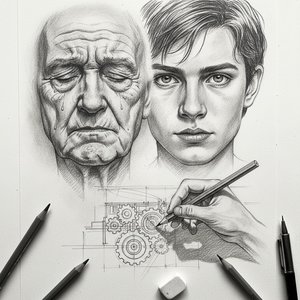
The Nuances of Graphite: Exploring Emotional Depth & Technical Mastery in Pencil Drawing
Explore the captivating world of graphite drawing! Discover its rich history, master essential techniques like chiaroscuro, and learn how artists evoke emotion through this timeless medium. Expert insights for art enthusiasts.