معاينة الحجم الواقعي
 إرسال
إرسال مشاركة
 عرض التفاصيل
 دليل الأعمال الفنية للطلاب

 تحميل
تحميل
 قطع مشابهة
 الأشعة السينية
 عرض شرائح متتابع
 الإحصائيات
Christ on the Cross


 اقرأ المزيد
طباعة جيلي / مطبوعات فنية
طباعة جيكلي أو كانفاس بجودة المتاحف، مع سرعة في التنفيذ وخيارات متنوعة للتشطيب. ( اطلب نسخة مرسومة يدويًا التحويل إلى الصورة الرقمية)




P118B E£10

P118H E£10

P118W E£10

P438Z E£10

P508JH E£12

P508YH E£12

P805H E£10

P805Z E£10

P919BZ E£10

P919G E£10

P919XJ E£10

P959ZH E£10

P968JZ E£12

W106C E£8

W218G E£10

W218JH E£8

W218Y E£10

W307PJ E£10

W316G E£10

W316PJ E£8

W316Y E£10

W398PJ E£8

W4111J E£10

W500HY E£15

W500JH E£15

W692G E£12

W849H E£8

W940BG E£15

W953PJ E£8




اختر من بين أحجامنا المُعدّة مسبقاً والتي تتوافق مع النسب الأصلية للعمل الفني.

أدخل العرض والارتفاع اللذين تحتاجهما، ليتناسب مع إطارك أو جدارك. يمكن قص المطبوعة فقط، ولا يمكن أبداً جعلها أكبر من الصورة الأصلية، لذا فإن أي مقاس بشكل مختلف سيؤدي إلى فقدان جزء من الصورة. سنرسل لك نموذجاً رقمياً تجريبياً لاعتماده قبل البدء في عملية الطباعة. الصورة المعروضة في هذه الصفحة لا توضح القص الفعلي — النموذج التجريبي فقط هو ما يظهر ذلك.
توصيل عالمي إلى خلال أسبوعين بدلاً من المدة القياسية البالغة 4/5 أسابيع. (22 أكتوبر)

شحن سريع ومجاني لجميع أنحاء العالم

قماش كتان فاخر

تأمين شامل على الشحن

ضمان استرداد الرسوم الجمركية

ضمان دقة مطابقة الألوان

سياسة الإرجاع خلال 100 يوم (في حالات العيوب فقط)

ضمان استرداد نقدي بنسبة 100%

عرض خصم الكميات
 خيار الزجاج متاح فقط للمقاسات التي تقل عن 110 سم

Christ on the Cross
طباعة جيلي / مطبوعات فنية
مقاس النسخة المطبوعة
-


إجمالي السعر
E£ 4131
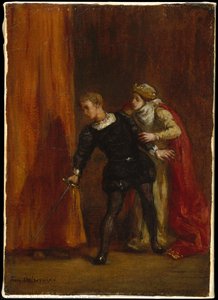
The Weight of Suffering: Delacroix’s ‘Christ on the Cross’
Eugène Delacroix's “Christ on the Cross,” painted in 1835, is not merely a depiction of a pivotal religious event; it’s a visceral exploration of human suffering and sacrifice. This preparatory sketch, rendered in charcoal and graphite on paper, offers a rare glimpse into Delacroix’s creative process – a raw, intensely emotional study that predates the grandeur of his finished masterpieces like “Liberty Leading the People.” Unlike idealized portrayals of Christ, this work confronts us with an unflinching realism, capturing the brutal physicality of the crucifixion with remarkable honesty. The loose lines and expressive shading immediately establish a mood of profound sorrow, inviting viewers to contemplate the immense cost borne by Jesus.
Composition and Technique – A Study in Line
Delacroix’s masterful use of line is central to the work's impact. The composition centers on Christ’s torso and head, positioned slightly off-balance, drawing our gaze directly into his anguished expression. His arms, dramatically outstretched along the crossbeams, convey a sense of utter exhaustion and surrender. The cross itself—a stark, simplified structure—functions primarily as a structural element, allowing Delacroix to focus entirely on the figure’s suffering. The background figures are sketched with a looser hand, suggesting a chaotic scene beyond the immediate focus, amplifying Christ's isolation and torment. Notice how he employs hatching and cross-hatching techniques to build up tonal variations – creating texture and volume within the charcoal, lending a tactile quality to the depiction of flesh and fabric. This deliberate roughness contrasts sharply with the smooth surfaces favored by earlier Neoclassical artists, reflecting Delacroix’s embrace of Romanticism's emphasis on feeling over precise form.
Symbolism and Emotional Resonance – The Language of Pain
“Christ on the Cross” transcends a simple historical representation; it is saturated with symbolic weight. The absence of traditional elements—nails, blood, crown of thorns—is deliberate. Delacroix, influenced by his study of Rubens and Venetian masters, sought to capture the essence of suffering rather than its gruesome details. The downward-drooping arm speaks volumes about Christ’s physical exhaustion and acceptance of his fate. His head, tilted back in a gesture of profound pain, embodies both agony and resignation. The overall effect is profoundly moving, evoking empathy and prompting reflection on themes of sacrifice, redemption, and the human condition. It's a testament to Delacroix’s ability to translate complex theological concepts into a powerfully emotional visual experience.
Historical Context and Artistic Influence – A Romantic Breakthrough
Created in 1835, “Christ on the Cross” emerged during a period of significant artistic transition. Delacroix’s work represents a pivotal moment in the development of French Romanticism, moving away from the rigid formality of Neoclassicism and embracing dramatic subject matter, intense emotion, and expressive brushwork. His inspiration stemmed from Rubens' dynamic compositions and Venetian masters' use of color and movement. This sketch served as a crucial stepping stone towards his larger, more polished works, demonstrating his evolving style and deepening understanding of capturing the human spirit. The work’s raw emotionality foreshadowed the Romantic ideals that would dominate art in the decades to come, influencing artists like Géricault and later, Impressionists.
OriginalUniqueArt offers meticulously crafted hand-painted reproductions of this powerful sketch, allowing you to experience Delacroix's artistic vision in stunning detail. Each reproduction captures the original’s expressive quality and emotional depth, bringing this poignant study of suffering into your home or office – a timeless reminder of faith, sacrifice, and the enduring power of art.
الأسئلة والأجوبة
ما هي الغرفة التي يُنصح بوضع "Christ on the Cross" للفنان أوجين ديلاكروا فيها؟
يُنصح بوضع "Christ on the Cross" للفنان أوجين ديلاكروا في Living Room. يعتمد هذا الاقتراح على موضوع العمل وألوانه وأجوائه العامة.
ما مدى تشبع وكثافة الألوان في "Christ on the Cross" للفنان أوجين ديلاكروا؟
تُظهر ألوان "Christ on the Cross" للفنان أوجين ديلاكروا تشبعاً بمستوى Muted مع حدة بلغت Monochromatic.
ما هو الأصل الوطني الذي يقف وراء Romanticism عمل "Christ on the Cross"؟
أبدع أوجين ديلاكروا لوحة "Christ on the Cross"، وهو من مواليد فرنسا، وذلك ضمن حركة Romanticism. وتربط أصول الفنان هذا العمل بحركة Romanticism كما يمارسها فنانون من فرنسا.
نبذة عن الفنان
بداية حياة ملهمة: فيرديناند فيكتور أوجين ديلاكروا ورؤيته الثورية
ولد فيرديناند فيكتور أوجين ديلاكروا في شارنتون-سانت مورس بالقرب من باريس عام 1798، ولم يكن مجرد رسام؛ بل كان تجسيدًا للروح المتوقدة لعصر الرومانسية. برز كشخصية رائدة في الفن الفرنسي خلال فترة من الاضطرابات الاجتماعية والمثل الجمالية المتغيرة، ورفض ديلاكروا الشكلية الصارمة للكلاسيكية الجديدة، واختار بدلاً من ذلك الدراما والعاطفة ولوحة ألوان نابضة بالحياة والتي غيرت مسار الرسم إلى الأبد. كانت حياته، على الرغم من مآسيها الشخصية، مرتبطة ارتباطًا وثيقًا برؤيته الفنية – سعي لالتقاط الروحانية، واستكشاف العوالم الغريبة، والتعبير عن القوة الخام للتجربة الإنسانية.
شُكلت سنوات ديلاكروا الأولى من خلال تاريخ عائلي معقد وصحة هشة إلى حد ما. بعد أن أصبح يتيمًا في سن السادسة عشرة، وجد التوجيه في شخصية مؤثرة هي شارل-موريس دو تاليران-بيريجورد، الذي اعتقد الكثيرون أنه والده الحقيقي. أتاح له هذا الاتصال رعاية حاسمة والوصول إلى عالم الفن الباريسي. درس في البداية تحت إشراف بيير-نارسيس جويرين، وهو رسام أكاديمي محترم، لكن عمل تيودور جيريكو – وخاصة لوحته الضخمة *طوف الميدوسا* – هو الذي أشعل شغف ديلاكروا الفني حقًا. حتى أنه قام بتمثيل جيريكو في لوحاته، واستوعب التزام الفنان الأكبر بالواقعية والحدة العاطفية.
من المشاهد التاريخية إلى الرؤى الغريبة
انطلق ديلاكروا على مسرح الصالون عام 1822 بلوحة *دانتي وفيرجيل في الجحيم*، وهو عمل أشار على الفور إلى انصرافه عن المعايير الراسخة. مستوحاة من *الكوميديا الإلهية* لدانتي أليغييري، عرضت اللوحة استخدامًا جريئًا للألوان وتكوينًا ديناميكيًا وإحساسًا ملموسًا بالاضطراب النفسي. مثّل هذا بداية مسيرة مهنية مكرسة لاستكشاف موضوعات الشغف والصراع والحالة الإنسانية. في حين أن العمل قوبل في البداية بردود فعل متباينة – أشاد بعض النقاد بأصالته، بينما رفض آخرون عمله على أنه فوضوي ويفتقر إلى التحسين الكلاسيكي – إلا أن ديلاكروا ثابر، وطور أسلوبًا مميزًا يتميز بالضربات الفضفاضة والقوام الغني والتركيز على الحركة.
امتد اهتمامه إلى ما هو أبعد من الموضوعات التاريخية والأدبية. كان لرحلته المحورية إلى شمال إفريقيا عام 1832 تأثير عميق على مساره الفني. من خلال الانغماس في الثقافة النابضة بالحياة للمغرب، انبهر ديلاكروا بالمناظر الطبيعية الغريبة ونمط حياة البدو الرحل وشدة تقاليدهم. أضفت هذه التجربة إحساسًا جديدًا بالألوان والضوء والطاقة على لوحاته، كما هو الحال في أعمال مثل *الخيول العربية المتصارعة* ودراسات عديدة للحياة الجزائرية. لم يكن يقوم ببساطة بتوثيق هذه المشاهد؛ بل كان يسعى إلى فهم الروح الكامنة وراء ثقافة مختلفة تمامًا عن ثقافته.
قوة اللون والمشاركة السياسية
تعتبر براعة ديلاكروا في استخدام الألوان إرثه الدائم. استلهم من وفرة الباروك لبيتر بول روبنز وسادة عصر النهضة الفينيسية، وأعطى الأولوية للحدة اللونية على الرسم الدقيق. أدرك أن اللون يمكن أن يثير المشاعر ويخلق جوًا وينقل المعنى بطرق لا تستطيع الخطوط بمفردها القيام بها. أثر هذا النهج المبتكر بعمق على الأجيال اللاحقة من الفنانين، مما مهد الطريق للانطباعية وما بعد الانطباعية.
بالإضافة إلى ابتكاراته الجمالية، كان ديلاكروا فنانًا ملتزمًا سياسيًا. عمله الأكثر شهرة، *الحرية تقود الشعب* (1830)، ليس مجرد تصوير لثورة يوليو؛ بل هو استعارة قوية للحرية والتمرد. أكسبت اللوحة تكوينها الديناميكي وشخصياتها الرمزية وقوتها العاطفية الخام مكانتها في تاريخ الفن كرمز للهوية الوطنية الفرنسية والمثل الثورية. لم يكن الأمر يتعلق بتوثيق حدث؛ بل كان يتعلق بالتقاط روح أمة تناضل من أجل حريتها.
تأثير دائم
واصل ديلاكروا الرسم بكثرة طوال حياته، واستكشف موضوعات متنوعة تتراوح بين مآسي شكسبير إلى الروايات الكتابية. قدم أيضًا مساهمات كبيرة كرسام حجر الليثوغرافيا، ورسم أعمالًا لكتاب عظماء مثل ويليام سكوت ويوهان فولفغانغ فون جوته. أصبح استوديوه مركزًا للتبادل الفني، وجذب رسامين طموحين انجذبوا إلى نهجه غير التقليدي.
بحلول وفاته عام 1863، أرسى ديلاكروا مكانته بثبات كواحد من أعظم فناني فرنسا. امتد نفوذه إلى ما هو أبعد من حركة الرومانسية، وشكل تطور الرسم الحديث وألهم عددًا لا يحصى من الفنانين باستخدامه الجريء للألوان وتكويناته الديناميكية والتزامه الثابت بالتعبير العاطفي. يظل شخصية محورية في تاريخ الفن – شهادة على قوة الرؤية الفردية والسحر الدائم للروحانية.

أوجين ديلاكروا
1798 - 1863 , فرنسا
لمحة سريعة
- أعمال بارزة:
- حرية تقود الشعب
- موت سردانابالوس
- الاسم الكامل: أوجين ديلاكروا
- الجنسية: فرنسي
- الحركة الفنية: الرومانسية
- تاريخ الميلاد: 26 أبريل 1798
- تاريخ الوفاة: 13 أغسطس 1863
- حركات فنية متأثرة: ['الانطباعية']
- فنانون مؤثرون: ['بيتر بول روبنز']
- مكان الميلاد: شانتوناي، فرنسا
مقالات ذات صلة

Beyond the Chaos: The Raw Emotion and Epic Drama of Romanticism Art
Explore the raw emotion and epic drama of Romanticism art. From the sublime landscapes of Friedrich to Delacroix's intense motion, discover how this movement redefined human feeling through powerful, evocative masterpieces.
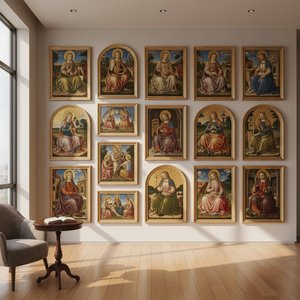
أروع 25 لوحة لفرا أنجليكو: تحف فنية لتزيين منزلك بإشراق سماوي
اكتشف روعة 25 لوحة لفرا أنجليكو، فنان عصر النهضة الإيطالي. استكشف قصصًا فنية وتقنيات زيتية آسرة وألوانًا سماوية. احصل على نسخ فاخرة لتزيين منزلك بجمال خالد. اكتشف جميع الروائع على OriginalUniqueArt.com

The Power of Emotion: A Definitive Guide to the Sublime and Soulful Art of Romanticism
Explore the profound emotional depth of the Romanticism art movement. Discover how masters like Delacroix and Friedrich captured the sublime through passion, nature, and intuition in this definitive guide for history lovers and art collectors.
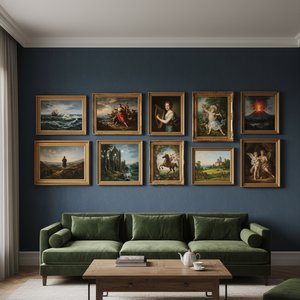
أعلى 10 روائع رسمتْ وجهَ الرومانسية الفنية: رحلة في عالم الجمال والأحاسيس
اكتشف روائع الفن الرومانسي! استكشف ١٠ لوحات خالدة تحدد هذا التيار الفني العاطفي. تعرف على الفنانين، الأساليب، و قصص التحف الفنية مع OriginalUniqueArt.com – وجهتك للوحات طبق الأصل عالية الجودة و أفكار ديكور مستوحاة من الفن. استكشف المجموعة الكاملة عبر الإنترنت!

Ferdinand Delacroix: Romanticism's Revolutionary Brush – A Study of Passion, Politics, and Painterly Innovation
Explore the revolutionary art of Eugène Delacroix, leader of French Romanticism. Discover his masterful use of color, political engagement, and lasting influence on modern painting. Learn about key works & history.