
() ·
A painting made for you, by hand
نسخة زيتية مصنوعة يدوياً
لوحة زيتية مرسومة يدوياً على الكانفاس بالمقاس والإطار الذي تفضله، تُنفذ حسب الطلب على أيدي فنانينا. ( التبديل إلى المطبوعات التحويل إلى الصورة الرقمية)
وصف المقتنيات
Discover 'Frederick Shum' by Edward Newling (1920). A stunning oil portrait of an elderly gentleman in formal attire. Realistic style, rich textures & classic composition. Ideal for art collectors.
نبذة عن الفنان
Edward Newling (1890-1964) was a British artist renowned for his portraits of WWI heroes & nobility. Explore his paintings of figures like Albert Ball & McCudden.
 اقرأ المزيد
from ·
Chapter 1
How large should it be?
Slide to change the size; the picture on the left shows the frame at its real width. The proportions of the original are kept.
اختر من بين أحجامنا المُعدّة مسبقاً والتي تتوافق مع النسب الأصلية للعمل الفني.

أدخل العرض والارتفاع اللذين تحتاجهما، ليتناسب العمل مع إطارك أو جدارك. وبما أن هذه اللوحة مرسومة يدوياً، ففي حال اختيار مقاس بشكل مختلف، يمكن للفنان رسم مساحة إضافية حول الصورة أو تقليصها قليلاً — الخيار لك. سنرسل لك نموذجاً رقمياً تجريبياً لاعتماده قبل البدء في الرسم. علماً بأن الصورة المعروضة في هذه الصفحة لا تعكس النتيجة النهائية الحقيقية — فالنموذج التجريبي هو الوحيد الذي يوضح ذلك بدقة.
Chapter 2
How should it arrive?
Choose the edges of the stretched canvas
Choose your frame

White E£1

Blurside E£1

Extended E£1

P118B E£10

P118H E£10

P118W E£10

P438Z E£10

P508JH E£12

P508YH E£12

P805H E£10

P805Z E£10

P919BZ E£10

P919G E£10

P919XJ E£10

P959ZH E£10

P968JZ E£12

W106C E£8

W218G E£10

W218JH E£8

W218Y E£10

W307PJ E£10

W316G E£10

W316PJ E£8

W316Y E£10

W398PJ E£8

W4111J E£10

W500HY E£15

W500JH E£15

W692G E£12

W849H E£8

W940BG E£15

W953PJ E£8

H24-GOLD E£30

H24-SILVER E£30

H36-GOLD E£45

H36-SILVER E£45
مؤطر
Moulding: . Overall size with the frame: .
Chapter 3
Who paints it, and should anything change?
After order, OriginalUniqueArt.com team will email client for instructions and provide a mockup preview
توصيل عالمي إلى خلال 3 إلى 4 أسابيع بدلاً من المدة المعتادة البالغة 5 أسابيع. (30 أكتوبر). جودة لا تهاون فيها.
Chapter 4
The finishing touches
A nameplate, as in a museum?
تفاصيل اللوحة البرونزية المحفورة
This elegant plaque features the artist's name and the title of the artwork, finely engraved for a timeless presentation.
It is made from bronze with a refined, elegant finish. The text is precisely laser-engraved for a sharp and permanent result. Measuring 9x2 cm, the plaque is compact yet easy to read. It's built to be durable and scratch-resistant, offering a professional, museum-quality look. Mounting is simple thanks to the included adhesive backing.
تفاصيل اللوحة الأكريليكية الشفافة
The plaque includes essential engraved details such as the artist's name, the title of the artwork, the date it was created, the type of media used-like oil on canvas or watercolor-a brief description of the piece, and a QR code that links to the complete artwork information.
It is crafted from clear acrylic, offering a sleek, modern appearance. The text is UV-engraved in black to ensure strong visual contrast. With a size of 10x15 cm, it ensures optimal readability. It comes equipped with two metal hooks for secure wall mounting. The plaque is designed to be weather-resistant, making it suitable for various environments, and it includes interactive features that work seamlessly with smartphone scanning.
تفاصيل اللوحة الأكريليكية السوداء
This elegant plaque includes engraved information such as the artist's name, the title of the artwork, the date it was created, the type of media used (like oil on canvas or watercolor), a short description of the artwork, and a QR code for quick access to more information.
The plaque itself is made from refined black acrylic with a premium finish. The text is laser-engraved in white for high contrast and readability. Its size is 10x15 cm, designed to be easy to read. It comes with two metal hooks for professional mounting. The design is sleek and fits any interior style. It is also weather-resistant and durable, with built-in digital integration for mobile compatibility.
A protective varnish?
When do you need it?
Chapter 5
Your painting, as you ordered it

Frederick Shum
وسيط إعادة الإنتاج
مقاس النسخة المطبوعة
-

نخبة كبار الفنانين
دقة أكبر، ولمسات فنية أمتن، ووقت إضافي للإنتاج
-

إطار النسخة المطبوعة
-
-
بالنسبة للأعمال الفنية أو النسخ المطبوعة التي يتجاوز طول أي من أضلاعها 105 سم (حوالي 41 بوصة)، سيتم شحن الإطار كمجموعة مفككة. تضمن هذه الطريقة سلامة التوصيل وتمنع حدوث أي أضرار أثناء النقل.
يتطلب الأمر تجميعاً احترافياً - هذا المنتج ليس مخصصاً للتركيب الذاتي.
يجب تجميع المجموعة وشد القماش بواسطة فني إطارات محترف وخبير، باستخدام غراء الخشب (غير مرفق)، وكماشة شد القماش، وملاقط لتثبيت القضبان بشكل مستوٍ أثناء جفاف الغراء. إن التجميع غير الصحيح أو عدم توازن شد القماش قد يؤدي إلى تلف العمل الفني بشكل دائم، وهو أمر لا يغطيه الضمان الخاص بنا.
 بالنسبة للأعمال الفنية أو النسخ المطبوعة التي يتجاوز طول أي من أضلاعها 105 سم (حوالي 41 بوصة)، سيتم شحن الإطار كمجموعة مفككة. تضمن هذه الطريقة سلامة التوصيل وتمنع حدوث أي أضرار أثناء النقل.
تتضمن المجموعة جميع القطع الخشبية الصلبة، والمقطعة بدقة لتناسب المقاسات المطلوبة.
يتم التجميع باستخدام البراغي المرفقة، بالإضافة إلى غراء الخشب للوصلات الزاوية، وهو غير مرفق ويجب توفيره من قبل فني التأطير الخاص بك.
تتطلب العملية استخدام أدوات احترافية غير مدرجة في المجموعة: مثل زرادية شد القماش (أداة شد) وملاقط لتثبيت القضبان بشكل مستوٍ أثناء جفاف الغراء.
تنبيه هام:
تتطلب الوصلات الزاوية استخدام غراء الخشب، كما يجب تثبيت القضبان باستخدام المشابك حتى يجف الغراء تماماً، ويتطلب شد القماش على الإطار المجمع استخدام كماشة شد القماش. لا تشتمل المجموعة على أي من هذه الأدوات؛ لذا يرجى التواصل مع فني تأطير محترف قبل طلب هذا المقاس.

لوحة التعريف
-
-

ورنيش حماية
ورنيش لامع (يُبرز الألوان ويحمي من الضوء والرطوبة)
-

تخصيص عملي الفني
أمثلة على التعديلات المتاحة: استبدال الوجه بصورة العميل؛ إضافة حيوان أليف (مثل استبدال قطة بكلب)؛ إدراج رسالة مخفية في الخلفية؛ تغيير المناظر الطبيعية أو العناصر في الخلفية.
-

عاجل
توصيل عالمي إلى خلال 3-4 أسابيع بدلاً من المدة المعتادة البالغة 5 أسابيع. (30 أكتوبر). جودة لا تضاهى.
-
شحن سريع ومميز
توصيل عالمي إلى خلال 5 أسابيع. (6 نوفمبر).
مُضمَّن
إجمالي السعر
E£ 15592
خيار الزجاج متاح فقط للمقاسات التي تقل عن 110 سم
Included with every order
- شحن سريع ومجاني لجميع أنحاء العالم
- قماش كتان فاخر
- تأمين شامل على الشحن
- ضمان استرداد الرسوم الجمركية
- ضمان دقة مطابقة الألوان
- سياسة الإرجاع خلال 100 يوم (في حالات العيوب فقط)
- ضمان استرداد نقدي بنسبة 100%
- عرض خصم الكميات


 معاينة الحجم الواقعي
 إرسال
إرسال مشاركة
 عرض التفاصيل
 دليل الأعمال الفنية للطلاب

 تحميل
تحميل
 قطع مشابهة
 الأشعة السينية
 عرض شرائح متتابع
 Q&A
Q&A الإحصائيات
In numbers
- 1920the year it was painted
- 29frames to choose from
- standard sizes, in its own proportions
- 5weeks to paint and deliver it
About the original
 Contemporary Realism
 1920
1920 101.0 x 75.0 cm
 Victoria Art Gallery
هذا العمل الفني محمي بموجب حقوق الطبع والنشر
إن العمل الفني المعروض في هذه الصفحة محمي بموجب قوانين حقوق الطبع والنشر، مما يعني أنه لا يحق لنا قانوناً إنشاء أو بيع نسخ مطابقة له. وتُطبق هذه الحماية بموجب الاتفاقيات الدولية مثل الـ اتفاقية برن ووفقاً للقوانين الوطنية، بما في ذلك تلك المنصوص عليها في قانون حقوق الطبع والنشر في الولايات المتحدة - الباب 17.
وكبديل قانوني ومحترم، نقدم أعمالاً فنية مخصصة ومرسومة يدوياً مستوحاة من العمل الأصلي. حيث يقوم فنانونا المهرة والمحترفون بدراسة أسلوب العمل الأصلي، وأجوائه، وجوهره الفني بعناية فائقة لابتكار قطعة جديدة وفريدة تثير الشعور ذاته - مع بقائها عملاً أصيلاً بحد ذاته.
تتوافق هذه الطريقة تماماً مع لوائح حقوق النشر لأنها لا تتضمن نسخ أو تكرار العمل الفني المحمي، بل هي إعادة تفسير إبداعية؛ أي أنها لوحة جديدة مستوحاة من الأصل ولكنها ليست مطابقة له.

Edward Newling
1890 - 1964
Quick facts about Edward Newling
- Full Name: Edward Newling
- Nationality: British
- Date Of Birth: 1890
- Date Of Death: 1964
- Place Of Birth: WahooArt
- Notable Artworks:
- Albert Ball
- McCudden
- Artistic Movement Or Style: Portraiture
نبذة عن الفنان
The Painter of Victorian Valor: The Life and Legacy of Edward Newling
Edward Newling (1890-1964) stands as a quietly significant figure in 20th-century British art, primarily remembered for his evocative and dignified portraits of WWI heroes and members of the aristocracy. Born in Melbourne, Australia, in 1890, he later relocated to England, establishing himself as a respected artist specializing in capturing the solemnity and inherent dignity of those who served their country during a period of immense national upheaval. His work offers a poignant glimpse into the Victorian sensibilities that persisted even amidst the horrors of modern warfare, blending traditional portraiture techniques with an understated emotional depth.
Newling’s artistic journey began with a formal education in art, though details remain somewhat sparse. He honed his skills primarily through self-study and observation, developing a distinctive style characterized by meticulous detail, subtle tonal gradations, and a remarkable ability to convey both physical presence and inner character. Unlike many of his contemporaries who embraced the bold brushstrokes and expressive distortions of modernism, Newling remained firmly rooted in academic traditions, favoring a controlled and refined approach that lent an air of timelessness to his subjects. His portraits were not flamboyant celebrations; they were quiet meditations on duty, sacrifice, and the weight of experience.
A Mastery of Character and Tradition
The essence of Newling's oeuvre revolves around his profound depictions of military figures, particularly those involved in the First World War. He produced a substantial body of work featuring legendary aviators such as Albert Ball, a Royal Flying Corps officer whose tragic death during a training flight left a void in the hearts of many, and McCudden, another celebrated pilot of the era. These portraits are far more than mere likenesses; they are imbued with a profound sense of respect and sorrow. Newling meticulously researched his subjects, often obtaining photographs and personal accounts to ensure an accurate representation of their character and the gravity of their service.
Beyond the battlefield, Newling’s talent extended to the depiction of the British upper echelons, capturing the essence of the aristocracy with a similar level of reverence. His ability to render textures—from the crispness of a military uniform to the soft folds of formal attire—demonstrates his technical prowess. Notable works such as Sir Arbuthnot Lane and Frederick Shum showcase his capacity for realism and his skill in creating compositions that feel both intimate and monumental.
Historical Significance and Artistic Impression
The historical significance of Edward Newling lies in his role as a visual chronicler of an era defined by transition. As the world moved away from the structured certainties of the Victorian age into the fragmented reality of the modern era, Newling’s art provided a sense of continuity. His work serves as a bridge, preserving the dignity of a vanishing social order and the heroism of those who faced the unprecedented challenges of the early 20th century.
To study Newling's collection is to encounter a legacy of:
- Academic Precision: A commitment to the classical techniques of portraiture that eschewed the fleeting trends of modernism.
- Emotional Resonance: The ability to translate historical tragedy into deeply moving, humanized imagery.
- Historical Documentation: Providing a vital visual record of key figures in British military and social history.
Ultimately, Newling’s contribution to the art world is found in his restraint. By avoiding the sensationalism of his age, he created works that possess an enduring, quiet power, ensuring that the faces of the past remain etched in the collective memory with all their original grace and solemnity.
مقالات ذات صلة
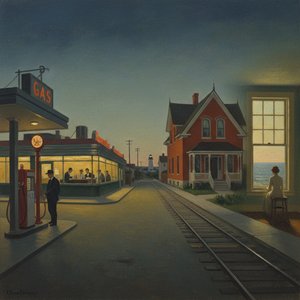
أعمال إدوارد هوبر الخالدة: 25 تحفة فنية تزين منزلك بجمال أمريكي أصيل
اكتشف 25 تحفة فنية لإدوارد هوبر، رائد الواقعية الأمريكية. استكشف قصص لوحاته الخالدة وألوانها المؤثرة وتقنياته الفريدة. احصل على نسخ عالية الجودة لتزيين منزلك بأعمال فنية أصيلة. تصفح المجموعة الكاملة الآن على OriginalUniqueArt.com!

Oil on Canvas: A Historical & Technical Exploration of a Timeless Artistic Medium
Explore the rich history & enduring techniques of oil painting on canvas. Discover the science behind its longevity, conservation practices, and contemporary relevance. Expert insights for art enthusiasts.

The Enduring Power of Painting: A Historical & Contemporary Exploration of Form and Emotion
Explore the rich history & enduring techniques of oil painting with OriginalUniqueArt. Discover masterpieces, learn about art collecting, and find authentic handmade reproductions crafted by skilled artists.

الرسم الزيتي: تاريخ عريق، تقنيات متطورة، وممارسات معاصرة لفن خالد
اكتشف تاريخ الرسم الزيتي وتقنياته المتطورة مع دليل شامل لفن خالد. تعلم عن المواد، الأساليب الكلاسيكية والمعاصرة، وكيفية العناية بلوحاتك الثمينة. خبراء OriginalUniqueArt يرشدونك!