Contemporary Realism · 1928
Night Windows (إدوارد هوبر, 1928)
أبدع إدوارد هوبر (1882–1967) في Night Windows. يعود تاريخها إلى 1928. تنتمي إلى حركة Contemporary Realism. صُنعت من Painting. تُحفظ في متحف الفن الحديث (MoMA) في مدينة نيويورك, الولايات المتحدة الأمريكية. أبعادها 73 × 86 cm
- 1928
- Painting
- 73 × 86 cm
- متحف الفن الحديث (MoMA), مدينة نيويورك

 معاينة الحجم الواقعي

 لوحة زيتية مرسومة يدوياً
 مشاركة
 مشاركة
 ورقة الحقائق


 تحميل الملف
 قطع مشابهة
 الأشعة السينية
 عرض شرائح
 الأسئلة والأجوبة

 الإحصائيات
Night Windows باختصار
- العنوان
- Night Windows
- الفنان
- إدوارد هوبر (1882–1967)
- تاريخ ميلاد الفنان
- أبر نيكاك, الولايات المتحدة الأمريكية
- التاريخ
- 1928
- الوسيط الفني
- Painting
- الأبعاد
- 73 × 86 cm
- أين يمكن مشاهدتها
- متحف الفن الحديث (MoMA), مدينة نيويورك, الولايات المتحدة الأمريكية
- الحركة
- Contemporary Realism
- الحقبة
- Modern
- الموضوع
- urban isolation, nocturne scene, window view, domestic interior, voyeurism, light darkness contrast
ماذا يصور Night Windows؟
A Window Into Solitude: Exploring Edward Hopper’s Night Windows
Edward Hopper, a name synonymous with the quiet contemplation of modern existence, wasn't merely capturing landscapes; he was distilling the very essence of American urban life onto canvas. Born in Nyack, New York, in 1882, to parents steeped in Dutch heritage, his formative years instilled within him an unwavering dedication to observation and artistic expression—a passion evident from his earliest sketches meticulously documented and signed. Initially steered toward commercial illustration by his pragmatic family, Hopper’s artistic aspirations stubbornly clung to the realm of fine art, propelling him towards the New York School of Art where he honed his skills under William Merritt Chase and Robert Henri. These influential mentors fostered not only technical proficiency but also a profound appreciation for realism and a commitment to portraying the world as perceived through a discerning eye—a perspective that would define his oeuvre.- Subject Matter: Hopper’s ‘Night Windows,’ painted in 1928, presents a deceptively simple scene: a woman seated alone in a chair overlooking another room bathed in the muted glow of lamplight. This seemingly unremarkable tableau belies its significance as a cornerstone of Hopper's nocturne series and, crucially, embodies his masterful exploration of urban isolation.
- Style & Technique: Executed in stark black and white—a deliberate choice reflecting Hopper’s stylistic preference for tonal realism—the painting utilizes precise linework and subtle shading to create a palpable sense of atmosphere. The artist eschews dramatic lighting effects, favoring instead the diffused illumination characteristic of city nights, thereby amplifying the feeling of quiet detachment.
Historical Context & Influences
‘Night Windows’ resides firmly within the broader context of Hopper's artistic journey—a period marked by a fascination with American realism and an admiration for Impressionist masters like Degas. Hopper’s own stylistic sensibilities were profoundly shaped by these influences, mirroring Degas’s preoccupation with capturing fleeting moments of everyday life and conveying psychological nuance. The painting speaks to the anxieties and uncertainties prevalent in the Jazz Age, reflecting a societal shift toward individualism and questioning traditional social norms—themes that resonate powerfully even today.- Symbolism: Hopper’s masterful use of visual language transcends mere depiction; it communicates profound symbolic ideas. The woman's posture – slumped slightly, her gaze fixed on the distant figure – embodies a poignant stillness, mirroring the pervasive loneliness experienced by individuals navigating the complexities of urban life. Furthermore, the breeze rustling through the window serves as a subtle reminder of movement and connection—a counterpoint to the overarching sense of isolation.
- Reception & Significance: Contemporary critics recognized ‘Night Windows’ for its evocative power, describing it as “one of those glimpses into other lives which one suddenly catches from the window of a passing El,” capturing “that momentary sense of the mystery and intensity of the thousands of lives pressing close to each other.” This astute observation encapsulates Hopper's ability to distill the essence of New York City—a feat achieved through meticulous detail and understated emotional resonance.
Emotional Impact & Legacy
Ultimately, ‘Night Windows’ transcends its formal elements to deliver a deeply affecting experience for the viewer. It invites contemplation on themes of solitude, observation, and unspoken connection—questions that continue to intrigue audiences decades after its creation. Hopper's enduring legacy rests upon his unwavering commitment to portraying human experience with unflinching honesty and sensitivity—a testament to his artistic genius and his profound understanding of the human condition. Its timeless appeal ensures that ‘Night Windows’ will forever hold a place among the most celebrated images of 20th-century art.أي متحف يضم Night Windows؟
متحف الفن الحديث (MoMA)
مدينة نيويورك, الولايات المتحدة الأمريكية
أصول وتاريخ متحف الفن الحديث (MoMA) وُضعت اللبنات الأولى لـ متحف الفن الحديث (MoMA) في عام 1929، حيث انبثقت هذه المؤسسة من رؤية مشتركة لكل من آبي ألدريتش روكفلر، وليلي ب. بليس، وماري كوين سوليفان، لتظهر في خضم فترة من التحولات العالمية العميقة. ومع افتتاح أبوابه للجمهور في السابع من نوفمبر عام 1929، نجح المتحف في إرساء دعائم مساحة مخصصة لكل ما هو راديكالي وتجريبي، مما جعل توقيت تأسيسه يضعه في قلب المشهد الثقافي المتغير، ليصبح ملاذاً للأعمال الفنية التي تجرأت على تحدي اللغة البصرية السائدة في ذلك العصر.
 ليلة مرصعة بالنجوم (نيويورك، متحف الفن الحديث)فنسنت فان خوخ, 1889
 Witness Picasso’s revolutionary 'Young Ladies of Avignon'! Explore Cubism’s birth in this monumental 1907 masterpiece – a raw, unsettling & historically significant artwork.
The Young Ladies of Avignon
artworks_database
/en/art/pablo-picasso-the-young-بابلو بيكاسو, 1907
 علب حساء كامبلأندي وارهول, 1962
صور عالية الدقة لـ Night Windows

محمية بموجب حقوق الطبع والنشر: تُعرض الصورة لغرض المرجعية فقط.
مقاسات أخرى، واقتطاعات، واقتباس →إدوارد هوبر, Night Windows (1928), متحف الفن الحديث (MoMA).
أسئلة وإجابات حول Night Windows
أين تُعرض "Night Windows" للفنان إدوارد هوبر اليوم؟
تُعرض لوحة "Night Windows" للفنان إدوارد هوبر في متحف الفن الحديث (MoMA), مدينة نيويورك, الولايات المتحدة الأمريكية. ويشير وصف المتحف إلى العمل الأصلي، وليس إلى النسخ المطبوعة.
في أي عام أُبدعت "Night Windows" للفنان إدوارد هوبر؟
يعود تاريخ "Night Windows" إلى عام 1928، وهو ما يضع العمل ضمن المسيرة المهنية لـ إدوارد هوبر وفي سياق حقبته الزمنية.
ما هي التقنية المستخدمة في "Night Windows" للفنان إدوارد هوبر؟
تعتمد التقنية المستخدمة في "Night Windows" للفنان إدوارد هوبر على Painting، وتهدف النسخ المطبوعة إلى محاكاة مظهر هذه التقنية.
ما هي أبعاد العمل الأصلي "Night Windows"؟
تبلغ أبعاد "Night Windows" في شكلها الأصلي 86 x 73 cm. وتُعد الأبعاد الأصلية مرجعاً مفيداً عند اختيار حجم النسخة المطبوعة.
ماذا يصور "Night Windows"؟
تتمثل موضوعات "Night Windows" في urban isolation, nocturne scene, window view, domestic interior, voyeurism, light darkness contrast, quiet contemplation, american realism.
هل يمكن إعادة إنتاج صورة "Night Windows" للفنان إدوارد هوبر بحرية؟
تندرج لوحة "Night Windows" للفنان إدوارد هوبر ضمن نطاق لا تزال محمية بموجب حقوق الطبع والنشر، وتحدد هذه الحالة الشروط التي يمكن بموجبها إعادة إنتاج صورة العمل الفني.
من أبدع "Night Windows"؟
تم إبداع "Night Windows" بواسطة إدوارد هوبر. وتصف المعلومات الواردة في هذه الصفحة العمل الأصلي لـ إدوارد هوبر.
إلى أي حركة فنية ينتمي العمل "Night Windows" للفنان إدوارد هوبر؟
تنتمي لوحة "Night Windows" للفنان إدوارد هوبر إلى حركة Contemporary Realism الفنية، ويضع هذا التصنيف العمل ضمن سياق مجموعة من الفنانين والأعمال الفنية ذات الصلة.
إلى أي مرحلة من مسيرة إدوارد هوبر الفنية ينتمي العمل "Night Windows"؟
ينتمي العمل "Night Windows" إلى الفترة Mature Period من مسيرة إدوارد هوبر المهنية، مما يربط هذا العمل بمراحل تطور الفنان الفني.
عن الفنان، إدوارد هوبر
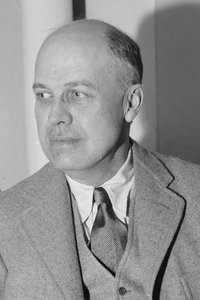
1882–1967, الولايات المتحدة الأمريكية
إدوارد هوبر
هدوء المشهد الأمريكي ولد إدوارد هوبر في أبر نياك، الولايات المتحدة الأمريكية. قضى سنواته الأولى في مراقبة العالم بعين ثابتة، وهي عادة بدأت برسومات الطفولة المؤرخة والموقعة بدقة متناهية. وبينما اقترح والداه مساراً عملياً في مجال الرسوم التوضيحية التجارية، ظل تركيزه منصباً على الفن الرفيع. درس في مدرسة نيويورك للفنون تحت إشراف ويليام ميريت تشيس و روبرت هنري.
وأيضاً لـ إدوارد هوبر
 إدوارد هوبر، اسم لا ينفصل عن الهدوء والحزن الخفي الذي طغى على الحياة الأمريكية في القرن العشرين، لم يكن مجرد رسام للمشاهد؛ بل كان شاعرًا للضوء والظل، ومؤرخًا للعزلة الحديثة. ولد في نيويورك عام 1882 لعائلة من الطبقة الوسطى من أصل هولندي، ووفرت سنواته الأول1942
 أوتومات (صغير)
 منزل بجانب السكة الحديدية1925
 فيلم نيويورك1939
مقالات حول Night Windows
 Mastering Solitude: The Top 25 Iconic Artworks by Edward HopperStep into the quiet world of American Realism with our curated guide to the top 25 Edward Hopper artworks. Explore the light, shadow, and s…
 10 Iconic Masterpieces That Defined American RealismJourney through the soul of American Realism. Explore 10 iconic masterpieces, from Edward Hopper to classic landscapes, and learn the stori…
 10 Iconic Masterpieces That Defined Contemporary RealismJourney through the soul of Contemporary Realism. Explore 10 iconic masterpieces, their legendary artists, and the breathtaking techniques …