Contemporary Realism
Evening Wind (إدوارد هوبر)
أبدع إدوارد هوبر (1882–1967) في Evening Wind. تنتمي إلى حركة Contemporary Realism. صُنعت من Etching.
- Etching

 معاينة الحجم الواقعي

 لوحة زيتية مرسومة يدوياً
 مشاركة
 مشاركة
 دليل


 تحميل الملف
 قطع مشابهة
 الأشعة السينية
 عرض شرائح
 الأسئلة والأجوبة

 الإحصائيات
Evening Wind: أهم المعلومات
- العنوان
- Evening Wind
- الفنان
- إدوارد هوبر (1882–1967)
- تاريخ ميلاد الفنان
- أبر نيكاك, الولايات المتحدة الأمريكية
- الوسيط الفني
- Etching
- الحركة
- Contemporary Realism
- الحقبة
- Modern
- الموضوع
- solitude, femininity, interior space, bedtime, darkness, light contrast
ماذا يصور Evening Wind؟
Identification of Evening Wind by Edward Hopper
The scene unfolds in 1930, a moment frozen in the quietude of Evening Wind. Edward Hopper captures a singular instance of stillness, presenting a portrait of quiet contemplation that feels as though it is happening right now, just beyond the reach of the viewer. The air seems to hold its breath as the subject settles into a private, internal world.
In this work, Edward Hopper focuses on the weight of a single, unspoken thought. The composition centers on a woman, her presence defined by a sense of vulnerability and the soft, restless movement of fabric. It is a study of the human condition caught in a pause, where the external world recedes to make room for the gravity of the individual experience.
Composition and Visual Elements
The scene unfolds from a slightly elevated perspective, as if the viewer is looking down into a private, quiet moment. At the heart of this arrangement, a figure sits kneeling near the edge of a bed. The composition relies on a striking interplay of geometry and movement. Strong vertical lines rise from the bedpost, anchoring the space with a sense of structural permanence. These rigid, upright forms clash against the fluid, contrasting curves of the figure's body and the billowing fabric of the sheets.
A dynamic tension pulls at the eye, caught between the unyielding verticality of the furniture and the restless, sweeping motion of the draped cloth. Behind the woman, the world falls away into a dark, undefined space. This void pushes the subject forward, heightening the sense of isolation within the room. The arrangement directs all attention to the central figure, making the stillness of the woman feel heavy against the sudden, outward surge of the linens.
Technique and Material Details
The artist works with a steady hand, pressing a needle tool into a metal plate to etch fine, decisive lines. This process of drypoint etching or engraving requires a meticulous touch to transfer the image onto the surface, which is typically composed of copper or zinc. Every stroke of the needle carves a path for the ink, preparing the plate for the moment of contact with paper. There is a rhythmic precision in how these marks are laid down, capturing the subtle textures of the scene through sheer physical effort.
Once the plate is prepared, ink is applied across the surface, settling into the grooves and depressions created by the tool. The printing process pulls this ink onto the paper, revealing a world of tonal nuance. To build depth and define the forms of the woman and the billowing fabric, the artist employs extensive hatching and cross-hatching. These dense networks of fine lines create the illusion of shadow and light, allowing the eye to perceive volume and texture where there is only ink and paper. The interplay of these marks gives the sheets a sense of movement and the shadows a palpable weight.
Color Palette and Lighting Effects
The scene unfolds within a strict monochrome grayscale scheme. There is no color to distract the eye, only a deliberate arrangement of light and shadow. Shades of gray stretch from the deepest, ink-like blacks to the palest, most fragile whites. This limited range forces the viewer to focus on the essential architecture of the moment, emphasizing the heavy texture of the fabric and the sharp contours of the room. Every tonal shift defines a shape or a surface, making the interplay of light feel tangible.
An unseen source of illumination cuts through the stillness, casting dramatic shadows that stretch across the space. This light creates a sharp, heavy contrast between the bright highlights and the dark, receding corners. The way the light hits the billowing sheets and the figure's form gives the composition a sense of volume and depth. It is a study in how darkness can define a space just as clearly as the light itself, carving out a sense of presence within the quiet, shadowed interior.
Subject Matter and Emotional Themes
A private moment unfolds in the stillness of a room, centered on a woman kneeling beside a bed. She exists in a state of quiet contemplation, her posture revealing a profound sense of vulnerability. Around her, the sheets billow outward, caught in an unseen movement that suggests a sudden, restless energy. These shifting fabrics act as metaphors for an internal emotional turbulence, mirroring a spirit that cannot find rest even in the sanctuary of a domestic space.
The atmosphere carries a heavy weight of quiet melancholy. There is a palpable sense of solitude here, as if the air itself is thick with unspoken thoughts. The scene invites a feeling of longing, pulling the viewer into a space defined by introspection and the heavy silence of a life lived in the margins of the everyday. One wonders what occupies her mind in this solitary hour, as the shadows deepen around her figure.
Related Works by Edward Hopper
The artist's earlier explorations reveal a steady gaze that began long before this intimate moment. In 1903, an Edward Hopper Self-Portrait captures a younger version of the man who would eventually master the art of stillness. By 1912, the work squam light shows a developing eye for the way illumination interacts with its surroundings. These early pieces hint at the profound ability to find meaning in the quietude of a single scene.
Other works from his career echo the themes of solitude and the subtle tension of human presence. In Night on the El Train, a sense of silence settles between figures, much like the unspoken narratives found in domestic interiors. The artist also turned his attention to simpler, more direct subjects, such as the nautical scene in The Catboat. Each piece reflects a persistent interest in the intersection of physical space and the private, internal experiences of those caught within it.
Evening Wind بدقة عالية
محمية بموجب حقوق الطبع والنشر: تُعرض الصورة لغرض المرجعية فقط.
المزيد من المقاسات، والقصاصات، والاقتباسات →إدوارد هوبر, Evening Wind.
أسئلة حول Evening Wind
ما هو اللون السائد في "Evening Wind" للفنان إدوارد هوبر؟
تطغى على "Evening Wind" نغمة Green to Violet Spectrum.
ما نوع العمل الفني "Evening Wind" للفنان إدوارد هوبر؟
في الكتالوج، تم تصنيف "Evening Wind" للفنان إدوارد هوبر ضمن فئة WallArt؛ وتساعد هذه الفئة في العثور على أعمال مماثلة.
كيف يمكنني اكتشاف أعمال فنية مشابهة لـ "Evening Wind" للفنان إدوارد هوبر؟
تجد الأعمال الفنية المشابهة لـ "Evening Wind" للفنان إدوارد هوبر في صفحة أعمال مشابهة الخاصة بالعمل الفني.
ما الشعور الذي يثيره "Evening Wind" للفنان إدوارد هوبر؟
تتجلى الحالة المزاجية لعمل "Evening Wind" للفنان إدوارد هوبر في Dramatic، بينما يتمثل طابعها العاطفي في Reflective.
هل يغلب على "Evening Wind" الطابع الفاتح أم الداكن بشكل عام؟
تُسجل درجة سطوع "Evening Wind" للفنان إدوارد هوبر عند bright، مع مستوى لمعان يبلغ Bright Balance.
ما هي الأسماء المستعارة أو الأسماء الأخرى التي يُعرف بها إدوارد هوبر؟
يُعرف إدوارد هوبر أيضاً بأسماء أخرى هي إدوارد جيمس هوبر, هوبر.
ما هي الاستخدامات والمساحات الموصى بها لـ "Evening Wind" للفنان إدوارد هوبر؟
يُنصح بوضع "Evening Wind" للفنان إدوارد هوبر لغرض Mood، ويُفضل أن يكون ذلك في Bedroom. إن الجمع بين طريقة الاستخدام والمساحة المتاحة يساعد في تحديد المكان الأمثل لوضع هذه النسخة الفنية.
هل العمل "Evening Wind" ضمن الملكية العامة؟
حالة حقوق الطبع والنشر لـ "Evening Wind" للفنان إدوارد هوبر: العمل يقع ضمن لا تزال محمية بموجب حقوق الطبع والنشر، وهو ما يحدد مدى إمكانية إعادة إنتاج الصورة بحرية.
ما هو الشعور الذي يثيره "Evening Wind"؟
يتسم العمل "Evening Wind" بطابع Reflective، حيث يعكس هذا الطابع العاطفي الانطباع الذي يتركه العمل في النفس.
عن الفنان، إدوارد هوبر
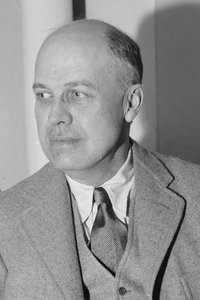
1882–1967, الولايات المتحدة الأمريكية
إدوارد هوبر
هدوء المشهد الأمريكي ولد إدوارد هوبر في أبر نياك، الولايات المتحدة الأمريكية. قضى سنواته الأولى في مراقبة العالم بعين ثابتة، وهي عادة بدأت برسومات الطفولة المؤرخة والموقعة بدقة متناهية. وبينما اقترح والداه مساراً عملياً في مجال الرسوم التوضيحية التجارية، ظل تركيزه منصباً على الفن الرفيع. درس في مدرسة نيويورك للفنون تحت إشراف ويليام ميريت تشيس و روبرت هنري.
وأيضاً لـ إدوارد هوبر
 إدوارد هوبر، اسم لا ينفصل عن الهدوء والحزن الخفي الذي طغى على الحياة الأمريكية في القرن العشرين، لم يكن مجرد رسام للمشاهد؛ بل كان شاعرًا للضوء والظل، ومؤرخًا للعزلة الحديثة. ولد في نيويورك عام 1882 لعائلة من الطبقة الوسطى من أصل هولندي، ووفرت سنواته الأول1942
 أوتومات (صغير)
 منزل بجانب السكة الحديدية1925
 فيلم نيويورك1939
مقالات حول Evening Wind
 Norwegian artworks of the 1920sNorwegian 1920s art by Edvard Munch and Nikolai Astrup defines an era of expressionism. View the full collection online at OriginalUniqueAr…
 أعمال إدوارد هوبر الخالدة: 25 تحفة فنية تزين منزلك بجمال أمريكي أصيلاكتشف 25 تحفة فنية لإدوارد هوبر، رائد الواقعية الأمريكية. استكشف قصص لوحاته الخالدة وألوانها المؤثرة وتقنياته الفريدة. احصل على نسخ عالية ا…
 The Incised Line: A Technical and Historical Study of Intaglio PrintmakingMaster the technical nuances of intaglio, from engraving to mezzotint. Explore the history of the recessed line now.