
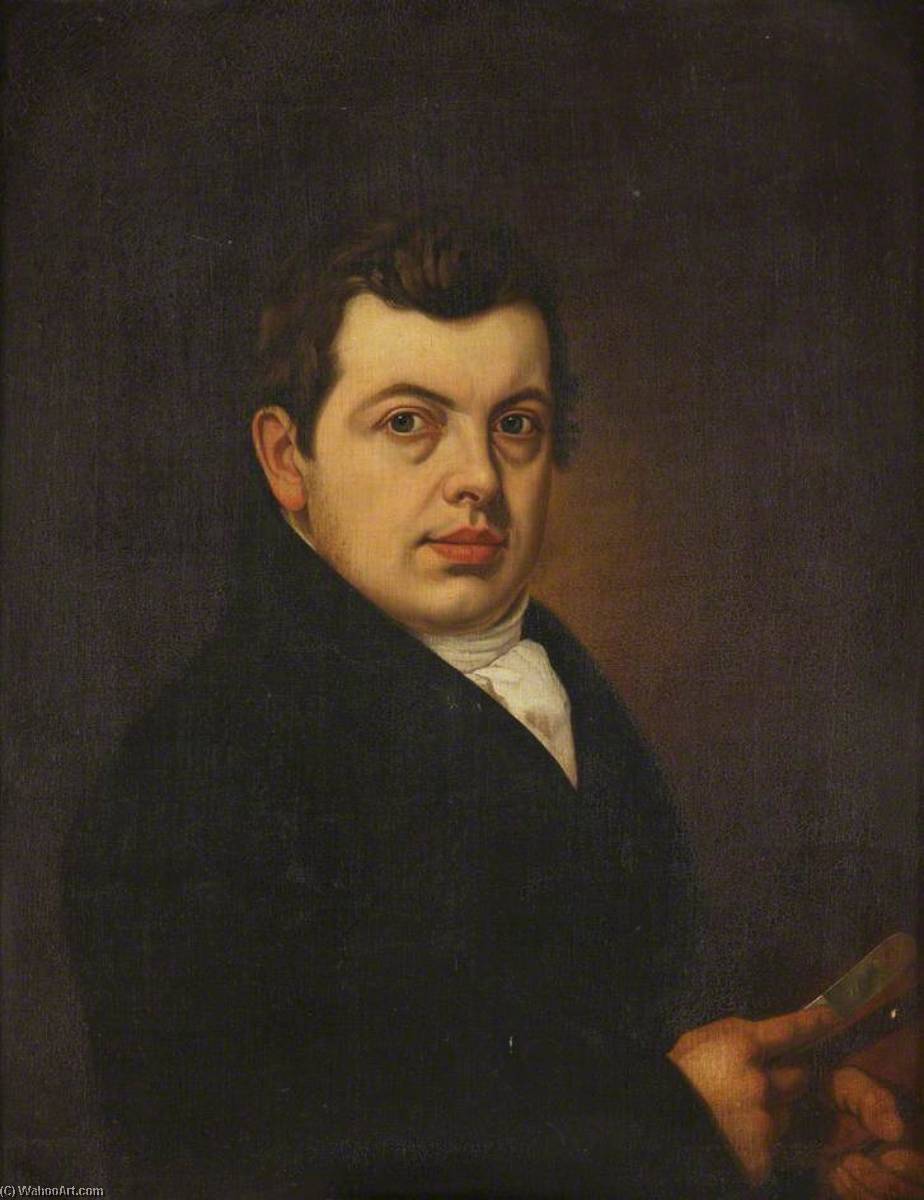
 معاينة الحجم الحقيقي
 مشاركة
 مشاركة
 التفاصيل

 تحميل الملف
 قطع مشابهة
 الأشعة السينية
 عرض شرائح
 الإحصائيات
Self Portrait
 1827
1827 80.0 x 66.0 cm
 عرض المزيد
نسخة زيتية مصنوعة يدوياً
لوحة زيتية مرسومة يدوياً على الكانفاس بالمقاس والإطار الذي تفضله، تُنفذ حسب الطلب على أيدي فنانينا. ( التحويل إلى المطبوعات الانتقال إلى الصورة الرقمية)




































اختر من بين أحجامنا المُعدّة مسبقًا والتي تتطابق مع النسب الأصلية للعمل الفني.

يمكنك إدخال أبعادك الخاصة لتناسب إطارًا معينًا أو مساحة محددة. وإذا لم يتطابق الحجم الذي اخترته مع نسب الصورة الأصلية، فسنقوم إما بقص العمل الفني أو توسيع اللوحة بإضافة عناصر مرسومة يدويًا. سيتم إرسال نموذج رقمي إليك للموافقة عليه قبل بدء الإنتاج.
يرجى ملاحظة أن المعاينة على الشاشة لا تعكس عملية القص أو التوسيع الفعلية؛ حيث إن النموذج الرقمي وحده هو الذي سيوضح التكوين النهائي بدقة.
وعلى الرغم من توفر أحجام مخصصة، إلا أننا نوصي باختيار أبعاد من القائمة المحددة مسبقًا للحفاظ على النسب الأصلية للعمل الفني.
بعد إتمام الطلب، سيرسل فريق OriginalUniqueArt.com بريداً إلكترونياً للعميل لطلب التعليمات وتزويده بمعاينة تجريبية (mockup).
توصيل عالمي إلى خلال 3 إلى 4 أسابيع بدلاً من المدة المعتادة البالغة 5 أسابيع. (9 سبتمبر). جودة لا تهاون فيها.

شحن سريع ومجاني لجميع أنحاء العالم

قماش كتان عالي الجودة

تأمين شحن شامل

ضمان استرداد الرسوم الجمركية

ضمان مطابقة الألوان الحقيقية

سياسة الإرجاع خلال 100 يوم (في حالات العيوب فقط)

ضمان استرداد نقدي بنسبة 100%

خصم عند طلب عدة قطع
 خيار الزجاج متاح فقط للمقاسات التي تقل عن 110 سم

Self Portrait
خامة إعادة الإنتاج
مقاس النسخة المطبوعة
-


السعر الإجمالي النهائي
$ 300
السيرة الذاتية للفنان
The Quiet Observer: Edmund Ward Gill and the English Landscape
Edmund Ward Gill (1794–1868) was an artist whose work serves as a profound, intimate window into the soul of nineteenth-century British life. While his name may not command the thunderous headlines reserved for the giants of the Romantic era, his canvases possess a quietly assured grace that captures the subtle textures of both person and place. Born in London, Gill’s artistic foundation was built upon the rigorous discipline of traditional methods. His early journey was defined by a deliberate apprenticeship under the established portrait painter Thomas Busby, a formative period that instilled in him a meticulous attention to detail and a reverence for capturing the true essence of his subjects. This technical grounding would later become the hallmark of his most celebrated works, ranging from his deeply personal self-portraits to his dignified depictions of prominent historical figures such as Sir Charles Napier.
As his career matured, Gill’s artistic spirit began to drift away from the formal constraints of purely academic portraiture, drawn instead by the burgeoning influence of the Romantic movement. This era, which celebrated the sublime beauty of nature and the individual's emotional connection to the wilder world, provided the catalyst for Gill to explore the expansive English countryside. His formative years in Devon played a pivotal role in this evolution; surrounded by dramatic coastlines and rolling hills, he developed an unparalleled sensitivity to the interplay of light, shadow, and atmosphere. He did not merely seek to document a view, but rather to convey a palpable mood—a sense of connection to something much larger than oneself. This is most exquisitely realized in his many depictions of the River Dart, where he masterfully captured the river's shifting character, from the tranquil, silver stillness of dawn to the turbulent, energetic rush of an approaching storm.
A Legacy of Rural Harmony and Animal Portraiture
Beyond the sweeping vistas of the English landscape, Gill found immense beauty in the humble, rhythmic scenes of rural existence. He possessed a rare ability to elevate the everyday, finding profound harmony in the quiet corners of farm life. His work often focused on the peaceful coexistence of humans and animals, characterized by a warmth that evokes a sense of comfort and nostalgia. One of his most striking achievements in this vein is his depiction of livestock, such as his celebrated Hereford Cow. In such works, Gill utilizes a rich palette of warm colors to create a sense of coziness within the barnyard setting. He meticulously renders the texture of hay and the soft presence of animals, often surrounding them with smaller elements like chickens to add a touch of natural dynamism to an otherwise tranquil scene.
The technical brilliance of his later works lies in this ability to balance realism with emotion. Whether he was painting a detailed portrait of W.W. Gill or the dignified Thomas Andrew Knight, his brushwork remained rooted in the precision learned from Busby, yet infused with the atmospheric depth inspired by the natural world. His legacy is not merely found in the subjects he chose, but in the way he invited the viewer to slow down and observe the quiet dignity of the world around them. Through his eyes, the English landscape became more than just scenery; it became a living, breathing entity, captured with a tenderness that continues to resonate with those who seek beauty in the understated and the authentic.

edmund ward gill
1794 - 1868
حقائق سريعة
- Artistic Movement Or Style: Portraiture, Dog Art
- Artists Or Movements Influenced By This Artist: ['Conservative Art']
- Artists Who Influenced This Artist: ['David Cox']
- Date Of Birth: 1794
- Date Of Death: 1868
- Full Name: Edmund Ward Gill
- Nationality: British
- Notable Artworks:
- PORTRAIT OF SIR CHARLES NAPIER
- A HOUND BY A KENNEL
- On the Lledr, North Wales