
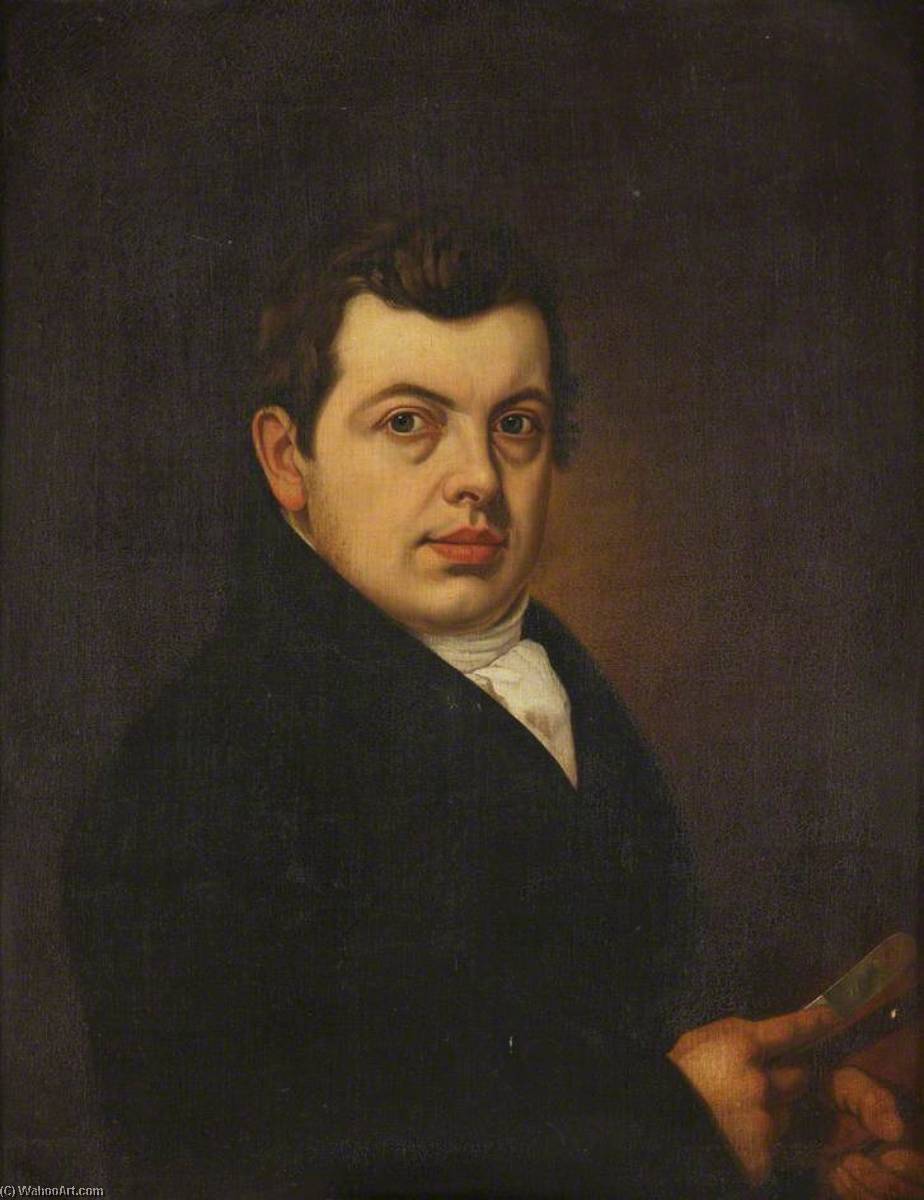
 معاينة الحجم الحقيقي
 مشاركة
 مشاركة
 التفاصيل

 تحميل الملف
 قطع مشابهة
 الأشعة السينية
 عرض شرائح
Self Portrait
 1827
1827 80.0 x 66.0 cm
 عرض المزيد
نسخة زيتية مصنوعة يدوياً
لوحة زيتية مرسومة يدوياً على الكانفاس بالمقاس والإطار الذي تفضله، تُنفذ حسب الطلب على أيدي فنانينا. ( اشترِ نسخة مطبوعة اشترِ الصورة)




































اختر من بين أحجامنا المُعدّة مسبقًا والتي تتطابق مع النسب الأصلية للعمل الفني.

يمكنك إدخال أبعادك الخاصة لتناسب إطارًا معينًا أو مساحة محددة. وإذا لم يتطابق الحجم الذي اخترته مع نسب الصورة الأصلية، فسنقوم إما بقص العمل الفني أو توسيع اللوحة بإضافة عناصر مرسومة يدويًا. سيتم إرسال نموذج رقمي إليك للموافقة عليه قبل بدء الإنتاج.
يرجى ملاحظة أن المعاينة على الشاشة لا تعكس عملية القص أو التوسيع الفعلية؛ حيث إن النموذج الرقمي وحده هو الذي سيوضح التكوين النهائي بدقة.
وعلى الرغم من توفر أحجام مخصصة، إلا أننا نوصي باختيار أبعاد من القائمة المحددة مسبقًا للحفاظ على النسب الأصلية للعمل الفني.
بعد إتمام الطلب، سيرسل فريق OriginalUniqueArt.com بريداً إلكترونياً للعميل لطلب التعليمات وتزويده بمعاينة تجريبية (mockup).
توصيل عالمي إلى خلال 3 إلى 4 أسابيع بدلاً من المدة المعتادة البالغة 5 أسابيع. (22 أغسطس). جودة لا تهاون فيها.

شحن سريع ومجاني لجميع أنحاء العالم

قماش كتان عالي الجودة

تأمين شحن شامل

ضمان استرداد الرسوم الجمركية

ضمان مطابقة الألوان الحقيقية

سياسة الإرجاع خلال 60 يومًا (في حالات العيوب فقط)

ضمان استرداد نقدي بنسبة 100%

خصم عند طلب عدة قطع
 خيار الزجاج متاح فقط للمقاسات التي تقل عن 110 سم

Self Portrait
خامة إعادة الإنتاج
مقاس النسخة المطبوعة
-


السعر الإجمالي النهائي
$ 300
السيرة الذاتية للفنان
The Quiet Observer: Edmund Ward Gill and the English Landscape
Edmund Ward Gill (1794-1868) wasn’t a name that typically commands headlines in the annals of art history, yet his quietly assured portraits and meticulously rendered landscapes offer a compelling window into 19th-century British life. Born in London, Gill's artistic journey began not with grand ambitions or revolutionary techniques, but with a deliberate apprenticeship under the established portrait painter, Thomas Busby, a decision that profoundly shaped his early career. This grounding in traditional methods instilled a rigorous attention to detail and a deep respect for capturing likeness – qualities that would later become hallmarks of his work, particularly his self-portraits and depictions of prominent figures like Sir Charles Napier. However, it was the burgeoning Romantic movement, with its emphasis on nature’s sublime beauty and the individual's connection to the natural world, that truly ignited Gill’s artistic spirit, leading him away from purely formal portraiture towards a more expansive exploration of the English countryside. Gill’s early life reveals a man deeply connected to the rhythms of rural England. He spent his formative years in Devon, surrounded by the dramatic coastline and rolling hills that would later become recurring motifs in his paintings. This intimate familiarity with the landscape provided him with an unparalleled understanding of light, shadow, and texture – elements he masterfully employed to create scenes imbued with a palpable sense of atmosphere. His work wasn’t simply about depicting a view; it was about conveying a feeling, a mood, a connection to something larger than oneself. This is particularly evident in his numerous depictions of the River Dart in Devon, where he captured not just the physical beauty of the river but also its ever-changing character – from the tranquil stillness of dawn to the turbulent rush of a storm. The influence of artists like David Cox, whose atmospheric landscapes and masterful use of color profoundly impacted Gill’s style, is readily apparent in his later works, demonstrating a clear evolution within his artistic practice. A significant turning point in Gill's career came with his decision to begin painting self-portraits – a practice relatively uncommon for male artists of the time. These introspective studies weren’t merely exercises in technical skill; they were profound explorations of identity and self-perception. Gill’s self-portraits, often rendered in muted tones and characterized by a remarkable degree of psychological depth, offer an unprecedented glimpse into the mind of a quiet observer. He presented himself not as a heroic figure or a celebrated personality, but as a thoughtful man grappling with his place in the world. The subtle shifts in expression – a fleeting hint of melancholy, a moment of contemplative stillness – reveal a complex and nuanced character beneath the surface. These portraits are remarkably honest, devoid of artifice, and invite viewers to contemplate the universal themes of mortality, memory, and the passage of time. Beyond his self-portraits, Gill’s work also included depictions of notable figures from British society. His portrait of Sir Charles Napier, a prominent naval officer, is a prime example of his ability to capture both physical likeness and character. Gill skillfully rendered Napier's stern gaze and dignified bearing, conveying not just the man’s appearance but also his commanding presence and unwavering determination. These portraits weren’t simply commissioned works; they were carefully considered studies in observation and representation, reflecting Gill’s commitment to capturing the essence of his subjects. The meticulous detail evident in these paintings – from the texture of Napier's uniform to the subtle nuances of his expression – speaks volumes about Gill’s dedication to his craft. Gill’s legacy extends beyond his individual works; he represents a vital link between the formal portraiture of earlier generations and the evolving landscape painting of the Romantic era. His quiet, understated style—characterized by a masterful command of light, color, and detail—offers a refreshing counterpoint to the more flamboyant styles that dominated the art world during his time. His work continues to resonate with viewers today, not for its grand scale or dramatic subject matter, but for its profound sense of intimacy and its enduring exploration of the human condition. The collection at St Edmund’s College in Cambridge, and the Mary Ward Centre in London, provide valuable resources for further study into his life and art. Furthermore, online resources like Art UK offer detailed analyses of his work and its historical context, solidifying Gill's place as a significant, if often overlooked, figure in British art history.
edmund ward gill
1794 - 1868
حقائق سريعة
- Artistic Movement Or Style: Portraiture, Dog Art
- Artists Or Movements Influenced By This Artist: ['Conservative Art']
- Artists Who Influenced This Artist: ['David Cox']
- Date Of Birth: 1794
- Date Of Death: 1868
- Full Name: Edmund Ward Gill
- Nationality: British
- Notable Artworks:
- PORTRAIT OF SIR CHARLES NAPIER
- A HOUND BY A KENNEL
- On the Lledr, North Wales

