Cubism · 1913
Composition with Figures (ديفيد بومبرج, 1913)
أبدع ديفيد بومبرج (1890–1957) في Composition with Figures. يعود تاريخها إلى 1913. تنتمي إلى حركة Cubism. صُنعت من Acrylic On Canvas. تُحفظ في The Whitworth في مانشستر, المملكة المتحدة. أبعادها 41 × 33 cm
- 1913
- Acrylic On Canvas
- 41 × 33 cm
- The Whitworth, مانشستر

 معاينة الحجم الواقعي

 لوحة زيتية مرسومة يدوياً
 مشاركة
 مشاركة
 ورقة الحقائق


 تحميل الملف
 قطع مشابهة
 الأشعة السينية
 عرض شرائح
 الأسئلة والأجوبة

 الإحصائيات
Composition with Figures باختصار
- العنوان
- Composition with Figures
- الفنان
- ديفيد بومبرج (1890–1957)
- تاريخ ميلاد الفنان
- برمنغهام, المملكة المتحدة
- التاريخ
- 1913
- الوسيط الفني
- Acrylic On Canvas
- الأبعاد
- 41 × 33 cm
- أين يمكن مشاهدتها
- The Whitworth, مانشستر, المملكة المتحدة
- الحركة
- Cubism
- الموضوع
- abstract, geometric, angular, warm colors, fragmentation, tension
ماذا يصور Composition with Figures؟
David Bomberg’s Geometric Vision: Exploring ‘Composition with Figures’
David Bomberg (1890–1957), one of the celebrated ‘Whitechapel Boys,’ stands as a pivotal figure in British avant-garde art. His oeuvre embodies a restless spirit, constantly experimenting with new approaches to visual representation—a characteristic that finds its most arresting expression in ‘Composition with Figures’ (1912–1913), currently housed at The Whitworth, University of Manchester.
Born in Birmingham to Polish-Jewish immigrant parents, Bomberg initially pursued lithography before immersing himself in the burgeoning artistic milieu of London. Influenced by Walter Sickert's exploration of urban landscapes and Cézanne’s groundbreaking simplification of form, he quickly embraced Cubism alongside fellow artists like Mark Gertler and Stanley Spencer. This formative period witnessed a profound engagement with intellectual currents—particularly Futurism—which championed dynamism and speed as aesthetic ideals.
Cubist Influences and Formal Innovation
‘Composition with Figures’ exemplifies Bomberg's masterful assimilation of Cubist principles. The artwork abandons traditional perspective, presenting instead a fragmented tableau dominated by geometric shapes – predominantly rectangular and triangular – arranged in an asymmetrical composition. These forms overlap and intersect, creating a palpable sense of movement and disrupting any illusion of depth.
Bomberg’s technique is characterized by thick impastoed brushstrokes that imbue the canvas with textural richness. The palette leans heavily into warm hues—particularly orange and brown—contrasted sharply against stark white and black. This deliberate juxtaposition underscores the artwork's conceptual ambition, reflecting a broader preoccupation with exploring relationships between color and form.
Historical Context: The Dawn of Modern Art
Created during the heady days of artistic experimentation in 1912–1913, ‘Composition with Figures’ aligns itself squarely within the vanguard of early 20th-century art. It reflects the broader shift away from representational conventions toward abstraction—a movement fueled by advancements in science and technology and driven by a desire to capture the essence of experience rather than merely mirroring reality.
The painting's influence extends beyond its formal innovations; it embodies the spirit of defiance against established artistic norms. Bomberg’s work anticipates developments in Surrealism and Expressionism, signaling the emergence of new expressive languages capable of conveying profound emotional resonance.
Symbolic Resonance and Emotional Impact
'Composition with Figures' transcends mere visual aesthetics, inviting contemplation on themes of fragmentation, dynamism, and artistic liberation. The geometric forms can be interpreted as representing opposing forces—stability versus movement—while the bold color palette evokes feelings of energy and urgency. Ultimately, Bomberg’s masterpiece compels viewers to confront unsettling questions about perception and representation.
Its enduring appeal lies in its ability to inspire awe and provoke intellectual curiosity. Reproductions of ‘Composition with Figures’ serve as a testament to Bomberg's artistic legacy—a beacon illuminating the path toward groundbreaking explorations of form, color, and emotion within the realm of abstract art.
أي متحف يضم Composition with Figures؟
The Whitworth
مانشستر, المملكة المتحدة
ملاذ الفن في قلب مانشستر الأخضر: ذا ويتورث في غمرة الأحضان الخضراء لحديقة ويتورث بمدينة مانشستر الإنجليزية، يشمخ معرض "ذا ويتورث" كصرح يتجاوز المفهوم التقليدي للمتاحف الفنية. فهو ليس مجرد مستودع للروائع، بل هو فضاء ينبض بالحياة، حيث يتشابك التراث الفني مع الرؤى المعاصرة والجمال الطبيعي في تناغم فريد. تأسس هذا الصرح عام 1889 بفضل كرم السير جوزيف ويتورث وبدعم من روبرت دوكينفيلد داربيشاير، حيث بدأ مسيرته تحت مسمى "معهد وحديقة ويتورث"، تجسيداً لإيمان مؤسسيه بقدرة الفن على إثراء الحياة العامة.


صور عالية الدقة لـ Composition with Figures
Protected by copyright: these files are for personal reference, not a licence to republish.
ديفيد بومبرج, Composition with Figures (1913), The Whitworth.
أسئلة وإجابات حول Composition with Figures
أين تُعرض "Composition with Figures" للفنان ديفيد بومبرج اليوم؟
تُعرض لوحة "Composition with Figures" للفنان ديفيد بومبرج في The Whitworth, مانشستر, المملكة المتحدة. ويشير وصف المتحف إلى العمل الأصلي، وليس إلى النسخ المطبوعة.
في أي عام أُبدعت "Composition with Figures" للفنان ديفيد بومبرج؟
أُبدع العمل الفني "Composition with Figures" للفنان ديفيد بومبرج في عام 1913.
ما هي التقنية المستخدمة في صنع "Composition with Figures"؟
تعتمد التقنية المستخدمة في "Composition with Figures" للفنان ديفيد بومبرج على Acrylic On Canvas، وتهدف النسخ المطبوعة إلى محاكاة مظهر هذه التقنية.
ما هي أبعاد "Composition with Figures" للفنان ديفيد بومبرج في الواقع؟
تبلغ أبعاد "Composition with Figures" في شكلها الأصلي 41 x 33 cm. وتُعد الأبعاد الأصلية مرجعاً مفيداً عند اختيار حجم النسخة المطبوعة.
ماذا يصور "Composition with Figures"؟
تتمثل موضوعات "Composition with Figures" في abstract, geometric, angular, warm colors, fragmentation, tension, dynamic, modern.
هل "Composition with Figures" للفنان ديفيد بومبرج ضمن الملكية العامة؟
أما بخصوص حقوق الطبع والنشر، فإن "Composition with Figures" تندرج ضمن لا تزال محمية بموجب حقوق الطبع والنشر.
من هو الفنان الذي أبدع "Composition with Figures"؟
يُنسب العمل "Composition with Figures" إلى ديفيد بومبرج.
إلى أي تيار فني تنتمي "Composition with Figures" للفنان ديفيد بومبرج؟
ينتمي العمل "Composition with Figures" إلى مدرسة Cubism، وهي المدرسة التي تمثل التقليد الفني الذي يندرج ضمنه هذا العمل.
إلى أي مرحلة من مسيرة ديفيد بومبرج الفنية تنتمي لوحة "Composition with Figures"؟
تُمثل "Composition with Figures" الحقبة الإبداعية لـ ديفيد بومبرج خلال فترة Early 20th Century.
عن الفنان، ديفيد بومبرج

1890–1957, المملكة المتحدة
ديفيد بومبرج
البدايات المبكرة والتدريب الفني الميلاد: برمنغهام، المملكة المتحدة (5 ديسمبر 1890) الوفاة: لندن، المملكة المتحدة (1مغسطس 1957) أحد أبرز أعضاء "فتيان وايت تشابل" – وهي مجموعة من فناني الطرف الشرقي التي ظهرت في أوائل القرن العشرين. وُلد بومبرج لأبوين مهاجرين بولنديين يهود، أبراهام وريبيكا بومبرج، وبدأ مسيرته الدراسية في مدرسة "سيتي آند غيلدز" للفنون التقنية قبل أن يتخصص في فن الطباعة الحجرية في برمنغهام. تلقى دروسه على يد والتر سيكرت في مدرسة وستمنستر للفنون (1908-1910)، حيث تأثر بتركيز سيكرت على الشكل والحياة الحضرية. كما شهدت مرحلته انفتاحاً كبيراً على أعمال بول سيزان من خلال معرض روجر فراي عام 1910 بعنوان "مانيه وما بعد الانطباعيين".
وأيضاً لـ ديفيد بومبرج
 Flowers, Evening Gold1947
 Procession1914
 Flowers in Sunlight1943
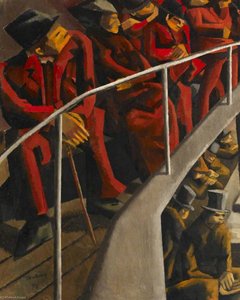 Ghetto Theatre1920
مقالات حول Composition with Figures
 أكثر 10 روائع فنية حدّدت حركة التجريد الهندسي | OriginalUniqueArt.comاكتشف 10 روائع فنية غيرت مسار التجريد الهندسي! تعرف على بيكاسو، موندريان وماليفيتش وغيرهم. لوحات أصلية وإعادة إنتاج فاخرة لديكور عصري. استل…
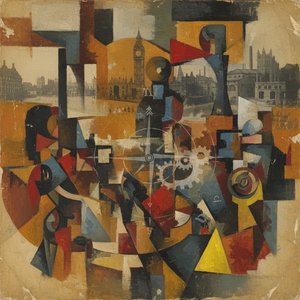 David Bomberg: Reassessing the Pioneering Spirit of Early British AbstractionExplore the groundbreaking work of David Bomberg, a pivotal figure in British abstraction. Discover his artistic evolution, influences, and…
 Geometry with Purpose: Distinguishing Suprematism from ConstructivismMaster the differences between Suprematism and Constructivism with our expert guide. Discover the soul of the Russian avant-garde now.