

 معاينة الحجم الحقيقي
 مشاركة
 مشاركة
 التفاصيل

 تحميل الملف
 قطع مشابهة
 الأشعة السينية
 عرض شرائح
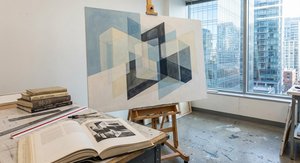
Flags of the Undiscovered Planets 2


 عرض المزيد
نسخة زيتية مصنوعة يدوياً
لوحة زيتية مرسومة يدوياً على الكانفاس بالمقاس والإطار الذي تفضله، تُنفذ حسب الطلب على أيدي فنانينا. ( اشترِ نسخة مطبوعة اشترِ الصورة)




































اختر من بين أحجامنا المُعدّة مسبقًا والتي تتطابق مع النسب الأصلية للعمل الفني.

يمكنك إدخال أبعادك الخاصة لتناسب إطارًا معينًا أو مساحة محددة. وإذا لم يتطابق الحجم الذي اخترته مع نسب الصورة الأصلية، فسنقوم إما بقص العمل الفني أو توسيع اللوحة بإضافة عناصر مرسومة يدويًا. سيتم إرسال نموذج رقمي إليك للموافقة عليه قبل بدء الإنتاج.
يرجى ملاحظة أن المعاينة على الشاشة لا تعكس عملية القص أو التوسيع الفعلية؛ حيث إن النموذج الرقمي وحده هو الذي سيوضح التكوين النهائي بدقة.
وعلى الرغم من توفر أحجام مخصصة، إلا أننا نوصي باختيار أبعاد من القائمة المحددة مسبقًا للحفاظ على النسب الأصلية للعمل الفني.
بعد إتمام الطلب، سيرسل فريق OriginalUniqueArt.com بريداً إلكترونياً للعميل لطلب التعليمات وتزويده بمعاينة تجريبية (mockup).
توصيل عالمي إلى خلال 3 إلى 4 أسابيع بدلاً من المدة المعتادة البالغة 5 أسابيع. (21 أغسطس). جودة لا تهاون فيها.

شحن سريع ومجاني لجميع أنحاء العالم

قماش كتان عالي الجودة

تأمين شحن شامل

ضمان استرداد الرسوم الجمركية

ضمان مطابقة الألوان الحقيقية

سياسة الإرجاع خلال 60 يومًا (في حالات العيوب فقط)

ضمان استرداد نقدي بنسبة 100%

خصم عند طلب عدة قطع
 خيار الزجاج متاح فقط للمقاسات التي تقل عن 110 سم

Flags of the Undiscovered Planets 2
خامة إعادة الإنتاج
مقاس النسخة المطبوعة
-


السعر الإجمالي النهائي
$ 300
السيرة الذاتية للفنان
César Manrique: The Shepherd of Zephyrs and Volcanoes
César Manrique Cabrera, a name synonymous with the volcanic landscapes and vibrant spirit of Lanzarote in the Canary Islands, was more than just an artist; he was a visionary architect, sculptor, and a passionate advocate for preserving his island’s unique identity. Born in 1919, Manrique’s life unfolded as a remarkable synthesis of artistic expression, ecological awareness, and a deep connection to the land – a relationship that profoundly shaped both his work and his legacy. His story is one of a man who dared to blend art with nature, architecture with the raw beauty of an island forged by fire and sculpted by wind.
Early Life and Influences: A Foundation in Conflict
Manrique’s early years were marked by both privilege and hardship. Born into a family rooted in Lanzarote's agricultural traditions, he inherited a deep appreciation for the island’s rugged terrain and its resilient people. His father, Gumersindo Manrique, was a skilled builder who instilled in César a respect for craftsmanship and an understanding of local materials. However, his childhood wasn’t without turbulence; the Spanish Civil War cast a long shadow over his youth, leading him to volunteer as an artilleryman on Franco's side – a decision that would later inform his complex relationship with the dictator and the political landscape of Spain.
Despite abandoning his formal architectural studies at the University of La Laguna after two years, Manrique’s artistic sensibilities were already taking shape. He sought guidance from renowned artists in Madrid, honing his skills as a painter and sculptor. A pivotal moment arrived with a scholarship to the San Fernando School of Fine Arts, where he developed a distinctive style characterized by bold colors, dynamic compositions, and an intuitive understanding of light and shadow – elements that would later become integral to his architectural designs.
New York and the Seeds of Innovation
In 1964, Manrique embarked on a transformative journey to New York City, supported by a grant from Nelson Rockefeller. This period proved to be a crucible for his artistic evolution. Immersed in the vibrant energy of the American art scene, he encountered groundbreaking architectural and design concepts that challenged conventional notions of space and form. He exhibited his work at the prestigious Catherine Viviano Gallery, gaining recognition for his innovative approach to integrating art with architecture.
The experience profoundly influenced Manrique’s vision. He began to conceptualize buildings not merely as structures but as extensions of the landscape – spaces that harmonized with their surroundings and celebrated the natural beauty of Lanzarote. This shift towards ecological design would become a defining characteristic of his later work, setting him apart from many of his contemporaries.
Lanzarote: A Masterpiece of Sustainable Design
Upon his return to Lanzarote in 1966, Manrique immediately set about realizing his ambitious vision for the island. He didn’t simply build houses; he created immersive environments that reflected the spirit and essence of Lanzarote. His architectural masterpieces – including Taro de Tahiche, Jameos del Agua, and the Palm Grove House – are testaments to this philosophy. These structures aren't imposing monuments but rather organic extensions of the landscape, utilizing local volcanic stone, incorporating natural light, and seamlessly blending indoor and outdoor spaces.
Manrique’s designs were revolutionary for their time. He championed a restrained aesthetic, eschewing the flashy excesses of modern architecture in favor of simplicity, functionality, and a deep respect for the island's traditional building techniques. Crucially, he actively resisted the development of large-scale tourist resorts that threatened to overwhelm Lanzarote’s unique character, advocating instead for sustainable tourism practices that prioritized preservation and cultural heritage.
Legacy and Enduring Influence
César Manrique's untimely death in a car accident in 1992 was a profound loss to Lanzarote and the art world. However, his legacy continues to resonate powerfully today. The César Manrique Foundation, established shortly after his death, serves as a vital center for promoting his work and preserving the island’s cultural heritage. His buildings remain popular tourist destinations, attracting visitors from around the globe who are drawn to their unique beauty and ecological sensibility.
More than just an artist or architect, Manrique was a guardian of Lanzarote's soul – a shepherd of its zephyrs and volcanoes. He left behind a body of work that is both visually stunning and profoundly meaningful, reminding us of the importance of respecting nature, preserving cultural traditions, and creating spaces that nourish the spirit.

césar manrique
1919 - 1992
حقائق سريعة
- Artistic Movement Or Style: Modern architecture & art
- Artists Or Movements Influenced By This Artist: ['Andy Goldsworthy']
- Artists Who Influenced This Artist:
- Frank Lloyd Wright
- Santiago Calatrava
- Date Of Birth: April 24, 1919
- Date Of Death: September 25, 1992
- Full Name: César Manrique Cabrera
- Nationality: Spanish
- Notable Artworks:
- Jameos del Agua
- Volcano House
- Mirador del Río
- Place Of Birth: Arrecife, Lanzarote
مقالات ذات صلة

أكثر 10 روائع فنية حدّدت حركة التجريد الهندسي | OriginalUniqueArt.com
اكتشف 10 روائع فنية غيرت مسار التجريد الهندسي! تعرف على بيكاسو، موندريان وماليفيتش وغيرهم. لوحات أصلية وإعادة إنتاج فاخرة لديكور عصري. استلهم منزلك مع OriginalUniqueArt.com

Neo-Abstract Art: The High-Impact Evolution of Modern Visual Energy and Geometric Sophistication
Discover the power of Neo-Abstract art. Explore how bold geometric forms and high-impact visual energy are redefining modern design. Learn to curate sophisticated, high-energy spaces with the latest trends in contemporary abstraction and structural color.

Beyond Form & Color: Geometric Abstraction's Evolution in 20th/21st Century Art
Explore the evolution of geometric abstraction from Cubism to contemporary art. Discover key artists like Malevich & Mondrian, investment insights, and expert collecting advice at OriginalUniqueArt.
Beyond Form & Color: Geometric Abstraction's Enduring Legacy in Art History
Explore the captivating world of geometric abstraction! Discover its origins, key artists like Malevich & Mondrian, and why this movement remains highly valued by art collectors today. Expert insights at OriginalUniqueArt.

Kandinsky's Masterpieces: 25 Paintings That Define Abstract Art | OriginalUniqueArt
Journey through Wassily Kandinsky's 25 most iconic abstract paintings. Explore his revolutionary use of color, form & spiritual expressionism. Find museum-quality Kandinsky reproductions and elevate your home decor with OriginalUniqueArt.com. Discover all masterpieces on OriginalUniqueArt.com!

