The Genesis of Geometric Abstraction: From Cubism to Early Pioneers
 Geometric Design in Art: A Historical Survey & Contemporary Appeal for Collectors
Explore the enduring legacy of geometric abstraction! Discover key artists, historical movements & investment insights for discerning art collectors. Expert guidance from OriginalUniqueArt.
The story of geometric abstraction isn’t a sudden rupture with the past, but rather an evolutionary unfolding from the fertile ground of early 20th-century experimentation. While often perceived as a radical departure, its roots lie firmly embedded in the analytical fracturing of form pioneered by Cubism. Artists like Pablo Picasso and Georges Braque didn't seek to eliminate representation entirely; instead, they deconstructed objects into their constituent geometric shapes, presenting multiple perspectives simultaneously on a single canvas. This initial dismantling of visual reality paved the way for artists who would ultimately abandon representational concerns altogether. The quest wasn’t merely about *what* was depicted, but *how* it was perceived and constructed – a shift in focus that proved pivotal.
However, Cubism remained tethered to recognizable subject matter, however fragmented. The true leap into non-objectivity began with artists like Wassily Kandinsky, whose early works gradually shed identifiable forms in favor of pure color and abstract compositions. Kandinsky’s theoretical writings, particularly “Concerning the Spiritual in Art,” articulated a belief in the power of abstraction to express inner emotional states – a direct correspondence between form and feeling. Simultaneously, František Kupka was exploring similar territory, meticulously constructing dynamic arrangements of geometric shapes driven by mathematical principles and a desire for visual harmony. These pioneers weren’t simply rejecting tradition; they were forging a new visual language predicated on the inherent properties of line, color, and shape itself.
Suprematism & Constructivism: Radical Departures in Form and Philosophy
 Kazimir Malevich
Kazimir Malevich (1878-1935): Ukrainian founder of Suprematism & pioneer of abstract art. Explore iconic works like Black Square, geometric forms, & pure feeling's impact on 20thC art.
The Russian avant-garde of the 1910s and 20s witnessed two particularly potent manifestations of geometric abstraction: Suprematism and Constructivism. Kazimir Malevich, the founder of Suprematism, took the process of reduction to its logical extreme with his iconic “Black Square” (1915). This seemingly simple composition wasn’t an absence of art, but rather a declaration of pure feeling – a ‘zero degree’ from which all other forms could emerge. Suprematism sought to liberate art from any representational obligation, focusing instead on the fundamental elements of geometric form and their spatial relationships. It was a profoundly spiritual undertaking, aiming for a transcendent aesthetic experience divorced from the material world.
Constructivism, emerging in the wake of the Russian Revolution, adopted a markedly different ethos. Artists like László Moholy-Nagy and Alexander Rodchenko embraced industrial materials and techniques, believing that art should serve a social purpose. Geometric abstraction became a tool for constructing a new reality – one aligned with the ideals of progress and functionality. Constructivist works often featured dynamic compositions of circles, squares, and rectangles, reflecting the energy and dynamism of modern life. This movement wasn’t about expressing inner emotions but rather about actively shaping the external world through art and design.
Geometric Abstraction's Mid-Century Evolution: A Transatlantic Dialogue
 Paul Kelpe
Paul Kelpe (1902-1985) was a German-born American abstract pioneer known for his combine paintings, geometric constructions & the groundbreaking Williamsburg Murals—the first US abstract murals. Explore his Constructivist & Cubist influences.
Following World War II, geometric abstraction experienced a significant resurgence on both sides of the Atlantic. In Europe, artists like Victor Pasmore, initially influenced by Cubism and Surrealism, embraced Constructivist principles in the late 1940s, creating striking collages and paintings characterized by precise geometric shapes and muted tones. His work exemplifies a search for order and clarity in the aftermath of conflict. Simultaneously, in America, a new generation of artists began to explore the possibilities of non-figurative painting.
The influence of European émigrés played a crucial role in shaping this transatlantic dialogue. Artists like Josef Albers, with his rigorous exploration of color interaction through his “Homage to the Square” series, established a new vocabulary for abstract expression. This period saw a growing emphasis on formal concerns – the interplay of color, shape, and texture – often devoid of any overt symbolic meaning. The focus shifted from expressing personal emotions to exploring the inherent properties of visual language itself.
Post-War Explorations: Minimalism, Hard-Edge Painting, and Beyond
The 1960s witnessed further fragmentation within geometric abstraction, giving rise to movements like Minimalism and Hard-Edge Painting. Minimalism, exemplified by artists such as Sol LeWitt and Donald Judd, stripped away all traces of subjective expression, reducing art to its essential geometric forms. These works often featured simple, repetitive structures made from industrial materials, challenging traditional notions of authorship and artistic intention. The emphasis was on the object itself – its physical presence and spatial relationship to the viewer.
Hard-Edge Painting, emerging in California, retained a greater emphasis on color and surface, but similarly embraced precise geometric forms and clean lines. Artists like Helen Frankenthaler and Lorser Feitisch employed meticulous techniques to create vibrant compositions characterized by sharp contrasts and optical effects. Both Minimalism and Hard-Edge Painting represented a rejection of the gestural brushwork associated with Abstract Expressionism, favoring instead a more controlled and systematic approach.
Contemporary Geometric Abstraction: New Voices and Enduring Themes
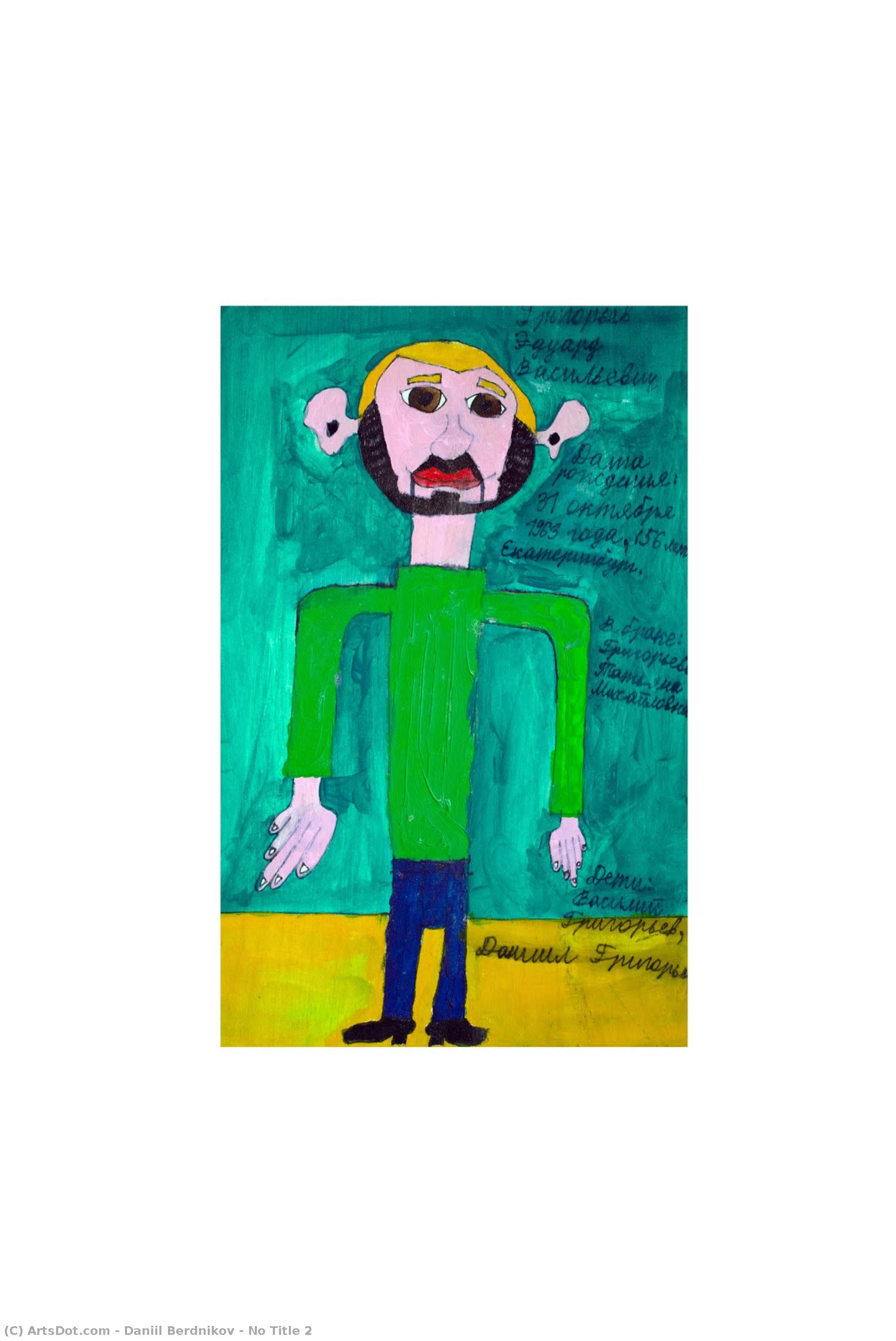 daniil berdnikov
Explore the abstract & minimalist paintings of daniil berdnikov, a contemporary Russian artist. Bold geometric shapes, clean lines, and themes of identity & perception define his harmonious work exhibited across Russia & Europe.
Geometric abstraction continues to thrive in contemporary art, albeit in diverse and often unexpected forms. Artists like daniil berdnikov demonstrate a renewed interest in minimalist aesthetics, employing bold geometric shapes and clean lines to explore themes of identity and perception. His harmonious compositions, exhibited across Russia and Europe, showcase the enduring power of abstract form.
Today’s artists are not simply replicating past styles but rather building upon them, incorporating new technologies and materials into their practice. Digital painting, as exemplified by Dia al-azzawi’s striking work “Pleasure to the Eye,” blends Pop Art sensibilities with geometric abstraction, creating a unique visual language that reflects the complexities of contemporary culture. The core principles of geometric abstraction – clarity, precision, and a focus on formal concerns – remain relevant, offering artists a powerful means of exploring fundamental questions about perception, space, and meaning.
At OriginalUniqueArt.com, we celebrate this rich legacy by offering meticulously crafted reproductions of iconic geometric abstract works, as well as the opportunity to commission custom paintings tailored to your individual taste. Explore our extensive collection and discover the enduring beauty and intellectual depth of this transformative art movement. From the pioneering spirit of Malevich and Mondrian to the contemporary explorations of artists like berdnikov and al-azzawi, we invite you to embark on a journey through the captivating world of geometric abstraction.