German Expressionism · 1907
Tree in the cornfield (أوقست ماكي, 1907)
أبدع أوقست ماكي (1887–1914) في Tree in the cornfield. يعود تاريخها إلى 1907. تنتمي إلى حركة German Expressionism. صُنعت من Oil On Canvas. تُحفظ في Museum Ostwall في Dortmund, Germany. أبعادها 15 × 30 cm
- 1907
- Oil On Canvas
- 15 × 30 cm
- Museum Ostwall, Dortmund

 معاينة الحجم الواقعي

 لوحة زيتية مرسومة يدوياً
 مشاركة
 مشاركة
 ورقة الحقائق


 تحميل الملف
 قطع مشابهة
 الأشعة السينية
 عرض شرائح
 الأسئلة والأجوبة

 الإحصائيات
Tree in the cornfield باختصار
- العنوان
- Tree in the cornfield
- الفنان
- أوقست ماكي (1887–1914)
- تاريخ ميلاد الفنان
- ميشيده, ألمانيا
- التاريخ
- 1907
- الوسيط الفني
- Oil On Canvas
- الأبعاد
- 15 × 30 cm
- أين يمكن مشاهدتها
- Museum Ostwall, Dortmund, Germany
- الحركة
- German Expressionism
- الموضوع
- cornfield scene, figures outdoors, umbrellas, rural life, summer day, tree painting
ماذا يصور Tree in the cornfield؟
A Sunlit Interlude in the Cornfield
August Macke’s Tree in the cornfield, painted in 1907, transports the viewer into a moment suspended between pastoral tranquility and burgeoning modern life. This canvas is not merely a depiction of an agricultural scene; it is a vibrant meditation on human connection set against the rhythmic geometry of nature. The composition immediately draws the eye into the lush expanse of the cornfield, dominated by the stately presence of a central tree whose trunk anchors the entire scene. Macke captures the light with an almost palpable energy, suggesting a warm, late afternoon glow filtering through the stalks and illuminating the figures gathered within.
The Echoes of Impressionism in German Expressionism
To understand this work is to appreciate its pivotal moment in art history. While Macke’s early training placed him within the orbit of academic tradition, his style blossomed into a brilliant embrace of Post-Impressionist color and the burgeoning spirit of German Expressionism. Yet, unlike some of his more emotionally charged contemporaries, here, the energy feels buoyant, almost joyous. The technique is characterized by visible, confident brushstrokes that build up the texture of the foliage and the earth. Macke uses color not just to mimic reality, but to amplify feeling—the greens are rich, the skin tones luminous, suggesting an optimistic view of modern existence.
Narrative Details and Symbolic Touches
The human element adds a layer of intimate storytelling. We observe a man bending low, perhaps gathering something precious from the ground, while a woman stands nearby, lending a sense of watchful grace to the scene. The inclusion of details—the two umbrellas suggesting preparedness for changing weather, the handbag resting near the woman’s feet—grounds the ethereal quality of the light in tangible reality. These small props invite speculation: What are they gathering? Are they pausing from a journey? Macke masterfully weaves these anecdotal elements into the broader tapestry of the field, turning a simple outing into a portrait of shared experience.
Bringing the Light Home
For the collector or designer seeking to infuse a space with artistic vitality, this reproduction offers more than just decoration; it offers an atmosphere. The scale of 30 x 15 cm makes it perfectly suited for mantelpieces, gallery walls, or console tables where a burst of color and narrative depth is desired without overwhelming the room. Owning Tree in the cornfield is to possess a piece of early 20th-century optimism—a reminder that even amidst the structured beauty of nature, moments of human grace and connection can bloom vibrantly.
أي متحف يضم Tree in the cornfield؟
Museum Ostwall
Dortmund, Germany
The History and Origins of Museum Ostwall Museum Ostwall serves as a museum of modern and contemporary art in Dortmund, Germany. The institution was founded in the late 1940s, emerging during a period of significant reconstruction. Its first exhibition, held in 1949 under the name Museum am Ostwall, established it as one of Germany's first post-war museums dedicated to 20th-century art.


صور عالية الدقة لـ Tree in the cornfield


أوقست ماكي, Tree in the cornfield (1907), Museum Ostwall. ملك عام
أسئلة وإجابات حول Tree in the cornfield
أين تُعرض "Tree in the cornfield" للفنان أوقست ماكي اليوم؟
يمكنكم مشاهدة العمل الأصلي "Tree in the cornfield" في Museum Ostwall, Dortmund, Germany.
في أي عام أُبدعت "Tree in the cornfield" للفنان أوقست ماكي؟
أُبدع العمل الفني "Tree in the cornfield" للفنان أوقست ماكي في عام 1907.
ما هي التقنية المستخدمة في صنع "Tree in the cornfield"؟
تعتمد التقنية المستخدمة في "Tree in the cornfield" للفنان أوقست ماكي على Oil On Canvas، وتهدف النسخ المطبوعة إلى محاكاة مظهر هذه التقنية.
ما هي أبعاد العمل الأصلي "Tree in the cornfield"؟
تبلغ أبعاد "Tree in the cornfield" في شكلها الأصلي 30 x 15 cm. وتُعد الأبعاد الأصلية مرجعاً مفيداً عند اختيار حجم النسخة المطبوعة.
ما هي الموضوعات التي يتناولها "Tree in the cornfield" للفنان أوقست ماكي؟
تُصور "Tree in the cornfield" للفنان أوقست ماكي: cornfield scene, figures outdoors, umbrellas, rural life, summer day, tree painting.
هل "Tree in the cornfield" للفنان أوقست ماكي ضمن الملكية العامة؟
حالة حقوق الطبع والنشر لـ "Tree in the cornfield" للفنان أوقست ماكي: العمل يقع ضمن ملك عام - انتهت مدة حماية حقوق الطبع والنشر الخاصة به، وهو ما يحدد مدى إمكانية إعادة إنتاج الصورة بحرية.
من أبدع "Tree in the cornfield"؟
تم إبداع "Tree in the cornfield" بواسطة أوقست ماكي. وتصف المعلومات الواردة في هذه الصفحة العمل الأصلي لـ أوقست ماكي.
إلى أي أسلوب ينتمي "Tree in the cornfield"؟
تنتمي "Tree in the cornfield" للفنان أوقست ماكي إلى حركة German Expressionism، التي تمنح العمل سياقه الأسلوبي.
إلى أي مرحلة من مسيرة أوقست ماكي الفنية ينتمي العمل "Tree in the cornfield"؟
ينتمي العمل "Tree in the cornfield" إلى الفترة Formative years من مسيرة أوقست ماكي المهنية، مما يربط هذا العمل بمراحل تطور الفنان الفني.
عن الفنان، أوقست ماكي
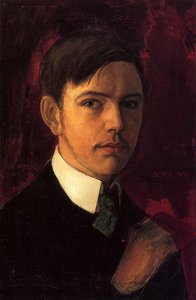
1887–1914, ألمانيا
أوقست ماكي
الحياة المبكرة، العائلة والتدريب الفني تبدأ قصة أوغست ماكه في بلدة مشيده بألمانيا، حيث أبصر النور في الثالث من يناير عام 1887. كان الابن الوحيد لأوغست فريدريك هيرمان ماكه، مقاول البناء والفنان الهاوي، وماريا فلورنتين. تشكلت ملامح طفولته مع تقلبات ثروة شركة والده، وهي التقلبات التي نقلت العائلة إلى كولونيا ومن ثم إلى بون. ومنذ نعومة أظفاره، كان الشغف بالتعبير البصري جلياً في روحه؛ فقد قضى سنواته الأولى في الرسم والتصميم لمناظر المسرح في العروض المدرسية، ليجد وسيلته الخاصة في ترجمة محيطه إلى ورق، وذلك قبل وقت طويل من دخوله الأكاديميات الفنية الرسمية.
وأيضاً لـ أوقست ماكي
 August Macke
حياة مختصرة: عالم أوغست ماكه النابض بالحياة
Meschede
Germany
1887
1914
لمحة إلى الحياة الحديثة: مشهد حيوي لأوغست ماكه
Der Blaue Reiter
--الانطباع العام-- العمل الفني يقدم مشهدًا منمنمًا لعدة شخصيات تمشي على طول مسار في مكان مفتوح. إنه1913
 البنات يستحمون مع المدينة في الخلفية1913
 متجر القبعات1913
 Portrait of the Artist's Wife with Hat1909
مقالات حول Tree in the cornfield
 Capturing Grace: The Timeless Beauty and Emotional Depth of Impressionist Female PortraitsDiscover the ethereal beauty of Impressionist female portraits. Explore Renoir's mastery of light, color, and emotion through our curated c…
 Mastering Light: The 25 Most Iconic Landscapes by Jean-Baptiste-Camille CorotImmerse yourself in the serene landscapes of Jean-Baptiste-Camille Corot. Explore 25 iconic masterpieces of the Barbizon school, from misty…
 August Macke: Expressionist Visions of Harmony & Modern LifeExplore the vibrant Expressionist paintings of August Macke (1887-1914). Discover his key role in Der Blaue Reiter, Fauvist influences, and…