German Expressionism · 1913
Three acts (أوقست ماكي, 1913)
أبدع أوقست ماكي (1887–1914) في Three acts. يعود تاريخها إلى 1913. تنتمي إلى حركة German Expressionism. صُنعت من Oil On Canvas. أبعادها 82 × 51 cm
- 1913
- Oil On Canvas
- 82 × 51 cm

 معاينة الحجم الواقعي

 لوحة زيتية مرسومة يدوياً
 مشاركة
 مشاركة
 بطاقة المعلومات


 تحميل الملف
 قطع مشابهة
 الأشعة السينية
 عرض شرائح
 الأسئلة والأجوبة

 الإحصائيات
Three acts باختصار
- العنوان
- Three acts
- الفنان
- أوقست ماكي (1887–1914)
- تاريخ ميلاد الفنان
- ميشيده, ألمانيا
- التاريخ
- 1913
- الوسيط الفني
- Oil On Canvas
- الأبعاد
- 82 × 51 cm
- الحركة
- German Expressionism
- الحقبة الزمنية
- Modern
- الموضوع
- women, nude figures, trees, foliage, nature, vibrant colors
ماذا يصور Three acts؟
A Symphony of Color and Form
In the vibrant tapestry of German Expressionism, few works capture the ephemeral beauty of life as poignantly as August Macke’s Three Acts. Painted in 1913, this masterpiece serves as a window into a world where color is not merely a descriptive tool but an emotional language. The canvas presents a breathtaking scene of three naked women standing amidst a lush, natural setting, their forms harmoniously integrated with the surrounding trees and foliage. There is an undeniable sense of rhythm in the composition; the way the figures are positioned—one partially obscuring another—creates a captivating visual dance that draws the eye through the depth of the forest. This arrangement does more than just showcase the human form; it establishes an intimate connection between the subjects, suggesting a shared moment of peace and profound togetherness.
The technique employed by Macke is nothing short of luminous. Utilizing bold brushstrokes and a palette of rich, saturated hues, he breathes life into the canvas, imbuing the scene with a palpable energy. The interplay of light and shadow across the skin of the women and the verdant leaves of the backdrop creates a sense of movement, as if a gentle breeze is passing through the clearing. For the discerning collector or interior designer, this painting offers a dynamic focal point that can transform a room, bringing an infusion of vitality and warmth to any sophisticated space.
The Spirit of Expressionism and Historical Resonance
To understand Three Acts, one must look toward the historical currents that shaped Macke’s brief but brilliant career. As a key figure associated with the Der Blaue Reiter movement, Macke was deeply influenced by the avant-garde explorations of his contemporaries, such as Franz Marc and Robert Delaunay. His work sits at a fascinating intersection of Fauvism and Orphism, where the structural integrity of form meets the wild, uninhibited use of color. This specific piece, created just a year before Macke’s untimely death in the First World War, embodies the optimistic, experimental spirit of pre-war European modernism.
The symbolism within the painting transcends the literal depiction of a pastoral scene. The "three acts" suggested by the title can be interpreted as a celebration of the cycles of nature or perhaps a metaphorical representation of stages of life and connection. By stripping the figures of clothing, Macke removes the distractions of social class or era, presenting a universalized vision of humanity in its most natural state. This raw, unadorned beauty, paired with the distorted yet graceful forms characteristic of Expressionism, evokes an emotional intensity that resonates deeply with the viewer, inviting contemplation on the harmony between the human spirit and the natural world.
An Invitation to Timeless Elegance
Owning a piece of art history is a profound experience, and a high-quality reproduction of Three Acts offers an opportunity to bring this era of German Expressionism into the modern home. Whether you are an art historian captivated by the technical nuances of Macke’s brushwork or an interior designer seeking to add a layer of sophisticated narrative to a curated collection, this artwork provides endless inspiration. The painting's ability to balance vibrant energy with a serene, meditative atmosphere makes it a versatile treasure for any decor style, from contemporary minimalism to classic luxury.
Investing in a hand-painted reproduction allows the enduring legacy of August Macke to live on within your personal sanctuary. Each stroke of the brush in a faithful recreation seeks to honor the original's texture and light, ensuring that the emotional impact of those three figures in the forest remains as potent today as it was in 1913. It is more than just a decoration; it is an invitation to experience a moment of eternal summer, frozen in a masterpiece of color and soul.
صور عالية الدقة لـ Three acts
أوقست ماكي, Three acts (1913).
أوقست ماكي (1887–1914), Three acts, 1913, oil on canvas. ملك عام الصورة: OriginalUniqueArt.com.
أسئلة وإجابات حول Three acts
في أي عام أُبدع العمل "Three acts" للفنان أوقست ماكي؟
يعود تاريخ "Three acts" إلى عام 1913، وهو ما يضع العمل ضمن المسيرة المهنية لـ أوقست ماكي وفي سياق حقبته الزمنية.
ما هي التقنية المستخدمة في "Three acts" للفنان أوقست ماكي؟
استخدم أوقست ماكي تقنية Oil On Canvas في عمل "Three acts"، وهي التقنية التي تحدد الطبيعة المادية للعمل الأصلي.
ما هي أبعاد العمل الأصلي "Three acts"؟
أبعاد العمل الفني المسجلة لـ "Three acts" للفنان أوقست ماكي هي 82 x 51 cm. يمكن طلب نسخ مطابقة بأحجام أخرى مع الحفاظ على نفس النسب.
ماذا يصور "Three acts" للفنان أوقست ماكي؟
تتضمن الموضوعات المتضمنة في "Three acts" للفنان أوقست ماكي كلاً من women, nude figures, trees, foliage, nature, vibrant colors، والتي تلخص مجتمعةً فحوى العمل الفني.
هل "Three acts" للفنان أوقست ماكي ضمن الملكية العامة؟
تندرج لوحة "Three acts" للفنان أوقست ماكي ضمن نطاق ملك عام - انتهت مدة حماية حقوق الطبع والنشر الخاصة به، وتحدد هذه الحالة الشروط التي يمكن بموجبها إعادة إنتاج صورة العمل الفني.
من أبدع "Three acts"؟
تم إبداع "Three acts" بواسطة أوقست ماكي. وتصف المعلومات الواردة في هذه الصفحة العمل الأصلي لـ أوقست ماكي.
إلى أي أسلوب ينتمي "Three acts"؟
تنتمي "Three acts" للفنان أوقست ماكي إلى حركة German Expressionism، التي تمنح العمل سياقه الأسلوبي.
إلى أي مرحلة من مسيرة أوقست ماكي الفنية ينتمي العمل "Three acts"؟
ينتمي العمل "Three acts" إلى الفترة Mature Period من مسيرة أوقست ماكي المهنية، مما يربط هذا العمل بمراحل تطور الفنان الفني.
كم كان عمر أوقست ماكي عند إبداع "Three acts" في عام 1913؟
أبدع أوقست ماكي لوحة "Three acts" وهو في سن 26. وُلد الفنان في 1887 ويعود تاريخ هذا العمل إلى 1913.
عن الفنان، أوقست ماكي
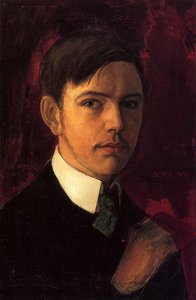
1887–1914, ألمانيا
أوقست ماكي
الحياة المبكرة، العائلة والتدريب الفني تبدأ قصة أوغست ماكه في بلدة مشيده بألمانيا، حيث أبصر النور في الثالث من يناير عام 1887. كان الابن الوحيد لأوغست فريدريك هيرمان ماكه، مقاول البناء والفنان الهاوي، وماريا فلورنتين. تشكلت ملامح طفولته مع تقلبات ثروة شركة والده، وهي التقلبات التي نقلت العائلة إلى كولونيا ومن ثم إلى بون. ومنذ نعومة أظفاره، كان الشغف بالتعبير البصري جلياً في روحه؛ فقد قضى سنواته الأولى في الرسم والتصميم لمناظر المسرح في العروض المدرسية، ليجد وسيلته الخاصة في ترجمة محيطه إلى ورق، وذلك قبل وقت طويل من دخوله الأكاديميات الفنية الرسمية.
أعمال أخرى لـ أوقست ماكي
 امرأة في سترة خضراء1913
 فتيات يستحممن والمدينة في الخلفية1913
 متجر القبعات1913
 بورتريه زوجة الفنان مع قبعة1909
مقالات حول Three acts
 German artworks of the 1890sIn 1893, Franz von Stuck created The Sin, a work exploring psychological temptation through a luminous figure and a dark, coiled serpent.
 Comparing Der Blaue Reiter and Die Brücke: Two Paths of German ExpressionismDie Brücke was founded in Dresden in 1905 by architecture students like Ernst Ludwig Kirchner. Why did their raw style clash with Munich's …
 German artworks of the 1910sIn 1911, Franz Marc used blue to represent masculinity and spirituality. See how ten works from the 1910s redefined the purpose of the imag…