نسخة زيتية
 كل ما يخص Comus 21







































 بالنسبة للأعمال الفنية أو النسخ المطبوعة التي يتجاوز طول أي من أضلاعها 105 سم (حوالي 41 بوصة)، سيتم شحن الإطار كمجموعة مفككة؛ حيث تضمن هذه الطريقة سلامة التوصيل وتمنع حدوث أي أضرار أثناء النقل.


Identification of Comus 21 by Artúr Lajos Halmi
We are looking at Comus 21, a work by the Hungarian artist Artúr Lajos Halmi. Born in 1866 in Pest, Halmi developed a presence in the art world that spanned continents, eventually passing away in New York City on December 3, 1939. This particular piece belongs to a series of explorations into mythological and allegorical themes, capturing a specific moment of movement and grace.
The title refers to the mythological figure associated with festivity and revelry. In this composition, Halmi moves away from the formal portraiture for which he was often sought, opting instead for a more ethereal, illustrative approach. The figures within the work appear to float, caught in a dance that feels both light and slightly melancholic. It is a quiet departure from his more structured studies, leaning into the dreamlike qualities of fantasy.
Halmi’s hand is evident in the delicate way the forms are defined. There is a sense of weightlessness here that contrasts with the grounded, earthy tones used throughout the scene. It is an intimate glimpse into the artist's ability to translate folklore into a visual language of flowing lines and soft, diffused light.
Visual Composition and Subject Matter
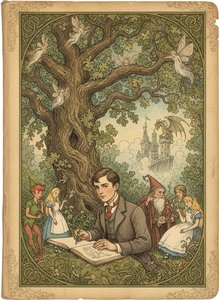
The composition centers upon two female figures positioned in the middle ground. They appear to be caught in a moment of movement, dancing or floating gracefully above the surface of the water. Their forms are draped in flowing robes, a detail that suggests they may be spirits or fairies rather than mortal beings. This sense of weightlessness creates a quiet dynamism at the heart of the scene.
In the background, the space is populated by a crowd of indistinct figures, adding a sense of scale to the ethereal setting. Stylized trees and dense foliage rise behind the dancers, providing a sense of depth and atmosphere to the landscape. The arrangement of these natural elements helps to frame the central figures, drawing the eye toward their rhythmic motion. The subject matter draws from the realms of folklore or mythology, presenting a scene that feels pulled from a dream or an ancient legend.
Artistic Style and Visual Elements
The aesthetic of this piece is defined by a whimsical and ethereal quality, reminiscent of the signature style of Arthur Rackham. There is a palpable sense of movement achieved through the use of delicate, flowing lines that trace the contours of the figures and the surrounding landscape. These organic, curvilinear shapes emphasize the weightless nature of the drapery and the natural forms of the foliage, creating a scene that feels suspended between reality and a dreamlike state.
The color palette remains muted and earthy, relying on a restrained selection of grey, brown, beige, and pale blue. This limited range contributes to the soft, diffused lighting that permeates the composition. Rather than relying on harsh shadows, the artist uses subtle variations in tone to establish depth. Texture is suggested through precise hatching and cross-hatching techniques, particularly within the dense foliage and the folds of the clothing, providing a tactile dimension to the otherwise airy atmosphere.
Technique and Artistic Medium
The execution of this piece relies on the delicate interplay between pen and ink and soft watercolor washes. This combination allows for a precise definition of form while maintaining a sense of lightness. The artist employs intricate hatching and cross-hatching to build volume within the foliage and the drapery of the figures. These fine lines create a tactile quality, giving weight to the organic shapes without sacrificing the ethereal atmosphere of the scene.
There is a certain fluidity in the way the medium is applied. The watercolor washes are used to create a muted, earthy palette, favoring shades of beige, grey, and pale blue. This restrained use of color avoids harshness, contributing to the dreamlike quality of the work. The soft, diffused lighting is achieved through these subtle tonal shifts rather than through sharp highlights or heavy shadows. It is a quiet, controlled approach to illustration.
Related Works by the Same Artist
The artist’s exploration of this particular theme is quite extensive, as seen in other compositions from the same series. You might find interest in Comus 16 or Comus 19, which share a similar thematic focus. These pieces allow for a deeper understanding of how the artist approached the subject matter through different visual arrangements.
Within the artist's broader body of work, Comus 11 also holds a significant place. This specific piece is part of the 1921 Comus illustration series. Examining these related works provides a sense of the continuity present in the artist's vision during that period of production.
الأسئلة والأجوبة
هل لوحة Comus 21 مرسومة يدوياً أم مطبوعة؟
مرسومة يدوياً: يقوم رسام محترف بمحاكاة Comus 21 بالألوان الزيتية على قماش الكتان.
ما الحجم الذي يجب أن أختاره لـ Comus 21؟
تتراوح المقاسات من 38.1 x 26.2 cm (E£13374) إلى 243.0 x 167.4 cm (E£94773)؛ ويوضح الجدول الموجود في هذه الصفحة الخيارات المتاحة وأسعارها.
كم تستغرق عملية التوصيل؟
تستغرق عملية التوصيل من 4 إلى 5 أسابيع، مع خدمة الشحن السريع المجاني لجميع أنحاء العالم؛ كما يتوفر خيار الإنتاج المستعجل في هذه الصفحة. يمكنك إرجاع العمل الفني خلال 100 يوم واسترداد كامل المبلغ دون أي شروط.
هل العمل الأصلي Comus 21 عبارة عن رسم أم لوحة فنية؟
رسمة: أبدعها آرثر راكهام باستخدام Ink On Paper.
 معاينة الحجم الواقعي

 مشاركة
 مشاركة
 التفاصيل
 بطاقة المعلومات


 تحميل الملف
 قطع مشابهة
 الأشعة السينية
 عرض شرائح
 الأسئلة والأجوبة

 الإحصائيات