Symbolism
La peste (أرنولد بوكلين)
أبدع أرنولد بوكلين (1827–1901) في La peste. تنتمي إلى حركة Symbolism. صُنعت من Oil On Canvas.
- Oil On Canvas

 معاينة الحجم الواقعي

 لوحة زيتية مرسومة يدوياً
 مشاركة
 مشاركة
 ورقة الحقائق


 تحميل الملف
 قطع مشابهة
 الأشعة السينية
 عرض شرائح
 الأسئلة والأجوبة

 الإحصائيات
La peste باختصار
- العنوان
- La peste
- الفنان
- أرنولد بوكلين (1827–1901)
- تاريخ ميلاد الفنان
- بازل, سويسرا
- الوسيط الفني
- Oil On Canvas
- الحركة
- Symbolism
- الحقبة
- 19th Century
- الموضوع
- monster, rider, buildings, dead bodies, sky, red cloth
ماذا يصور La peste؟
The Shadow of Mortality
In this unsettling scene, we find ourselves witnessing a moment of profound, inevitable decay. A monstrous, winged creature, reminiscent of a bat, moves through the narrow streets of a medieval European city. Atop this beast sits a skeletal figure, a personification of death that moves with a terrifying, silent purpose. The atmosphere is heavy, thick with a hazy, yellow-grey light that suggests a world choked by sickness. There is a sense of chaos here, yet it is a quiet, suffocating kind of chaos. The buildings, with their rigid, angular lines, seem to press in on the viewer, creating a claustrophobic environment where escape feels impossible.
The color palette is deliberately somber, leaning heavily into the earthy tones of ochre, brown, and grey. However, there is a specific, unsettling use of pale green—a hue often associated with the physical reality of decomposition—that permeates the work. This sickly tint contrasts sharply with the single, startling shock of red found in the foreground. A woman lies there, her clothing a vivid crimson against the muted, dying world around her, a stark reminder of the human cost of the plague passing through the streets.
Symbolic Elements and Composition
The composition is structured with a certain architectural precision that heightens the sense of dread. The rider and the beast form a central, pyramidal apex that draws the eye upward and then forces it back down toward the suffering below. The artist uses several layers of visual language to communicate the theme of pestilence:
- The winged creature, acting as a vessel for the plague, disrupts the orderly geometry of the urban landscape.
- The use of atmospheric perspective, where the background fades into a murky haze, suggests an endless, spreading contagion.
- The fallen figures in the foreground and middle ground represent the victims, their forms partially obscured by shadow and the weight of the scene.
- The contrast between organic, irregular shapes of the monster and the rigid, rectangular shapes of the architecture emphasizes the unnatural intrusion of death into civilization.
The technique involves a careful layering of oil paints, creating a texture that feels both rough and weathered. In certain areas, the impasto is visible, giving the creature a visceral, tactile presence. This physical depth mirrors the psychological depth of the subject matter, where the veil between the physical world and a nightmare state feels dangerously thin.
The Weight of the Unseen
There is a profound stillness in the way the figures are arranged, despite the violence of the subject. It is a stillness born of hopelessness. The lighting is diffused and uneven, casting deep shadows that hide as much as they reveal. This lack of a clear light source contributes to the sense of mystery and the feeling that the plague is an unstoppable, elemental force rather than a mere biological event. The work captures a specific tension between the tangible reality of a city and the intangible, spectral presence of death, leaving the viewer with a lingering sense of unease that remains long after the first glance.
صور عالية الدقة لـ La peste
أرنولد بوكلين, La peste. ملك عام
أسئلة وإجابات حول La peste
ما هي التقنية المستخدمة في تنفيذ "La peste" للفنان أرنولد بوكلين؟
تعتمد التقنية المستخدمة في "La peste" للفنان أرنولد بوكلين على Oil On Canvas، وتهدف النسخ المطبوعة إلى محاكاة مظهر هذه التقنية.
ماذا يصور "La peste" للفنان أرنولد بوكلين؟
تتمثل موضوعات "La peste" في monster, rider, buildings, dead bodies, sky, red cloth, cityscape.
هل "La peste" للفنان أرنولد بوكلين ضمن الملكية العامة؟
أما بخصوص حقوق الطبع والنشر، فإن "La peste" تندرج ضمن ملك عام - انتهت مدة حماية حقوق الطبع والنشر الخاصة به.
من أبدع "La peste"؟
يُنسب العمل "La peste" إلى أرنولد بوكلين.
إلى أي أسلوب ينتمي "La peste"؟
تنتمي لوحة "La peste" للفنان أرنولد بوكلين إلى حركة Symbolism الفنية، ويضع هذا التصنيف العمل ضمن سياق مجموعة من الفنانين والأعمال الفنية ذات الصلة.
إلى أي مرحلة من مسيرة أرنولد بوكلين الفنية ينتمي العمل "La peste"؟
ينتمي العمل "La peste" إلى الفترة Late Period من مسيرة أرنولد بوكلين المهنية، مما يربط هذا العمل بمراحل تطور الفنان الفني.
هل العمل "La peste" للفنان أرنولد بوكلين ضمن الملكية العامة، ولماذا؟
يُعد عمل "La peste" للفنان أرنولد بوكلين من الأعمال التي تندرج ضمن ملك عام - انتهت مدة حماية حقوق الطبع والنشر الخاصة به؛ حيث تُحتسب مدة حماية حقوق الطبع والنشر بدءاً من تاريخ وفاة الفنان في عام 1901.
ما الذي يجمع بين "La peste" وبقية أعمال أرنولد بوكلين؟
تندرج لوحة "La peste" ضمن النتاج الفني لـ أرنولد بوكلين، حيث تجسد أسلوب Symbolism وتستعرض موضوعات symbolist movement, mythology and mortality, themes of death, war and pestilence, exploration of the subconscious.
هل تُعد "La peste" نموذجاً لما اعتاد أرنولد بوكلين على إبداعه عادةً؟
تتضمن الثيمات المتكررة لدى أرنولد بوكلين موضوع symbolist movement, mythology and mortality, themes of death, war and pestilence, exploration of the subconscious؛ بينما يركز عمل "La peste" على monster, rider, buildings, dead bodies, sky, red cloth, cityscape.
عن الفنان، أرنولد بوكلين
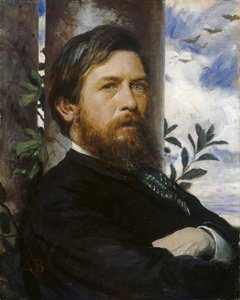
1827–1901, سويسرا
أرنولد بوكلين
ظل الجزيرة تمثل مدينة بازل السويسرية نقطة الانطلاق لحياة اتسمت بالتوتر القائم بين ما هو ملموس وما هو طيفي. ولد أرنولد بوكلين في السادس عشر من أكتوبر عام 1827، لوالديه كريستيان فريدريك بوكلين وأورسولا ليب، لينتقل الشاب لاحقاً من عالم تجارة الحرير الذي انخرط فيه والده إلى القاعات الصارمة لأكاديمية دوسلدورف. وتحت إشراف المعلم شيرمر، بدأ في استيعاب لغة المناظر الطبيعية، وهي المهارة التي سيستخدمها لاحقاً لرسم جغرافيا الروح البشرية؛ فلم يكن يكتفي برسم المشاهد فحسب، بل كان يشيد عوالم تتصادم فيها الأساطالية مع الموت. إن الانتقال من الانضباط الأكاديمي في دوسلدورف إلى أضواء باريس وعظمة روما القديمة يمثل تحولاً جوهرياً في رؤيته الفنية.
وأيضاً لـ أرنولد بوكلين
 جزيرة الموتى (النسخة الأولى)1880
 بورتريه ذاتي مع الموت وهو يعزف على الكمان
 الحرب1896
 The Isle of the Dead (Version 2)1880
مقالات حول La peste
 Beyond Reality: Unveiling the Enigmatic Depths of Metaphysical Art and its Philosophical EchoesExplore the profound mystery of Metaphysical Art. Delve into the philosophical depths of Giorgio de Chirico’s dreamscapes and discover how …
 25 Essential Works by Arnold Böcklin: A Journey Through Myth and SymbolismExplore 25 iconic Arnold Böcklin paintings and Symbolist works. Discover the full collection online at OriginalUniqueArt.com.
 Swiss artworks of the 1890sSwiss Symbolism in the 1890s features the iconic works of Félix Vallotton and Arnold Hodler. View the full collection online at OriginalUni…