Neoclassical · 1760
Parnassus (study) (أنتون رافاييل مينغز, 1760)
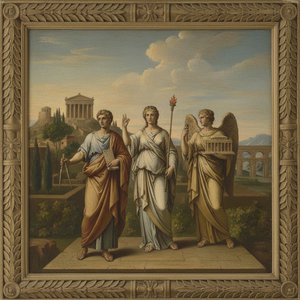
أبدع أنتون رافاييل مينغز (1728–1779) في Parnassus (study). يعود تاريخها إلى 1760. تنتمي إلى حركة Neoclassical. صُنعت من Acrylic On Canvas. تُحفظ في متحف الإرميتاج في سانت بطرسبرغ, روسيا.
- 1760
- Acrylic On Canvas
- متحف الإرميتاج, سانت بطرسبرغ

 معاينة الحجم الواقعي

 لوحة زيتية مرسومة يدوياً
 مشاركة
 مشاركة
 بطاقة المعلومات


 تحميل الملف
 قطع مشابهة
 الأشعة السينية
 عرض شرائح
 الأسئلة والأجوبة

 الإحصائيات
Parnassus (study) باختصار
- العنوان
- Parnassus (study)
- الفنان
- أنتون رافاييل مينغز (1728–1779)
- تاريخ ميلاد الفنان
- أوستي ناد لابم, جمهورية التشيك
- التاريخ
- 1760
- الوسيط الفني
- Acrylic On Canvas
- أماكن العرض
- متحف الإرميتاج, سانت بطرسبرغ, روسيا
- الحركة
- Neoclassical
- الموضوع
- mythology, apollo, muses, parnassus, study, figures
ماذا يصور Parnassus (study)؟
A Glimpse of Enlightenment: Anton Raphael Mengs’ “Parnassus (Study)”
Anton Raphael Mengs' "Parnassus (Study)," painted in 1760, isn’t merely a depiction of a classical scene; it’s a carefully constructed meditation on knowledge, aspiration, and the burgeoning spirit of Neoclassicism. This intimate study, far removed from the grand scale of his later frescoes, offers an unparalleled intimacy with Mengs' artistic process – a rare opportunity to witness the genesis of a masterpiece. The painting captures a gathering around a statue of Apollo, the mythical patron of the arts and sciences, surrounded by figures engaged in various intellectual pursuits. It’s a tableau vivant, brimming with quiet contemplation and subtle gestures that speak volumes about the era’s fascination with reviving classical ideals.
The Neoclassical Composition: Harmony and Restraint
Mengs' style here is distinctly Neoclassical, reflecting the artistic currents of 18th-century Europe. He meticulously adheres to the principles established by artists like Raphael and Michelangelo – a commitment to clarity, balance, and idealized forms. The composition is remarkably ordered; figures are arranged with deliberate precision, creating a sense of harmonious equilibrium. Note the careful use of light and shadow, which sculpts the forms and directs the viewer’s eye across the scene. The muted palette—dominated by earthy tones of ochre, brown, and grey—further enhances the painting's sense of restraint and intellectual seriousness. The background is deliberately vague, emphasizing the figures themselves and drawing attention to their interactions.
- Apollo’s Centrality: The statue of Apollo serves as the undeniable focal point, radiating an aura of authority and wisdom.
- The Muses' Presence: Flanking Apollo are the nine Muses, each embodying a different artistic discipline – poetry, music, dance, etc. Their graceful poses and attentive gazes suggest their role as guides and inspiration for the assembled scholars.
- Diverse Figures: The gathering includes philosophers, poets, musicians, and artists, representing the breadth of intellectual pursuits valued during this period.
Symbolism Woven into Detail: Bananas and Beyond
Beyond the obvious references to classical mythology and philosophy, “Parnassus (Study)” is rich in subtle symbolism. The inclusion of two bananas – a rather unexpected detail – has sparked considerable debate among art historians. Some interpret them as representing the fruits of knowledge, while others see them as a playful nod to contemporary trends or even a commentary on the fleeting nature of beauty and pleasure. The bowl on the table, filled with fruit, reinforces this theme of abundance and nourishment for the mind. The careful placement of each object contributes to the painting’s layered meaning, inviting viewers to engage in a deeper interpretation.
A Window into Mengs' Process: Intimacy and Reflection
What truly distinguishes “Parnassus (Study)” is its intimate scale and evident preparatory nature. It’s not a finished masterpiece but rather a study, a glimpse into Mengs’ creative process. The brushstrokes are visible, revealing the artist's hand at work – a testament to his dedication and meticulous attention to detail. The painting exudes a sense of quiet reflection, suggesting that Mengs was not simply documenting a scene but grappling with fundamental questions about art, knowledge, and the role of the individual within society. It’s a poignant reminder that even in grand artistic endeavors, the most profound insights often emerge from moments of focused contemplation.
Reproductions of “Parnassus (Study)” offer a remarkable opportunity to bring this captivating artwork into your home or office. Each carefully crafted reproduction captures the painting's nuanced details and evocative atmosphere, allowing you to appreciate Mengs’ genius for generations to come.
أي متحف يضم Parnassus (study)؟
متحف الإرميتاج
سانت بطرسبرغ, روسيا
Origins and History of the Hermitage Museum The Hermitage Museum began in 1764. Its foundation traces back to the acquisition of a collection of 225 paintings from the Berlin merchant Johann Ernst Gotzkowsky. Catherine the Great initiated this collection, establishing the museum's presence in Saint Petersburg, Russia.


صور عالية الدقة لـ Parnassus (study)

أنتون رافاييل مينغز, Parnassus (study) (1760), متحف الإرميتاج. ملك عام
أسئلة وإجابات حول Parnassus (study)
أين يمكنني مشاهدة العمل الأصلي "Parnassus (study)" للفنان أنتون رافاييل مينغز؟
تُعرض لوحة "Parnassus (study)" للفنان أنتون رافاييل مينغز في متحف الإرميتاج, سانت بطرسبرغ, روسيا. ويشير وصف المتحف إلى العمل الأصلي، وليس إلى النسخ المطبوعة.
في أي عام أُنجز "Parnassus (study)"؟
يعود تاريخ "Parnassus (study)" إلى عام 1760، وهو ما يضع العمل ضمن المسيرة المهنية لـ أنتون رافاييل مينغز وفي سياق حقبته الزمنية.
ما هي التقنية المستخدمة في تنفيذ "Parnassus (study)" للفنان أنتون رافاييل مينغز؟
تعتمد التقنية المستخدمة في "Parnassus (study)" للفنان أنتون رافاييل مينغز على Acrylic On Canvas، وتهدف النسخ المطبوعة إلى محاكاة مظهر هذه التقنية.
ماذا يصور "Parnassus (study)"؟
تتمثل موضوعات "Parnassus (study)" في mythology, apollo, muses, parnassus, study, figures, composition.
هل "Parnassus (study)" للفنان أنتون رافاييل مينغز ضمن الملكية العامة؟
تندرج لوحة "Parnassus (study)" للفنان أنتون رافاييل مينغز ضمن نطاق ملك عام - انتهت مدة حماية حقوق الطبع والنشر الخاصة به، وتحدد هذه الحالة الشروط التي يمكن بموجبها إعادة إنتاج صورة العمل الفني.
من هو الفنان الذي أبدع "Parnassus (study)"؟
الفنان الذي أبدع عمل "Parnassus (study)" هو أنتون رافاييل مينغز، والعمل مُدرج تحت اسم أنتون رافاييل مينغز.
إلى أي أسلوب ينتمي "Parnassus (study)"؟
ينتمي العمل "Parnassus (study)" إلى مدرسة Neoclassical، وهي المدرسة التي تمثل التقليد الفني الذي يندرج ضمنه هذا العمل.
إلى أي مرحلة من مسيرة أنتون رافاييل مينغز الفنية ينتمي العمل "Parnassus (study)"؟
تُمثل "Parnassus (study)" الحقبة الإبداعية لـ أنتون رافاييل مينغز خلال فترة Mature Period.
كم كان عمر أنتون رافاييل مينغز عند إبداع "Parnassus (study)"؟
عندما أُبدع العمل "Parnassus (study)" في عام 1760، كان عمر الفنان أنتون رافاييل مينغز - المولود في 1728 - هو 32 عاماً.
عن الفنان، أنتون رافاييل مينغز

1728–1779, جمهورية التشيك
أنتون رافاييل مينغز
جسر بين العوالم: حياة وفن أنطون رافاييل مينغز بزغ نجم أنطون رافاييل مينغز خلال حقبة ساحرة من تاريخ الفن الأوروبي، وهي الفترة التي بدأت فيها الزخارف المفرطة لطراز الروكوكو تتراجع لتفسح المجال لتقدير متجدد للمبادئ الكلاسيكية. ولد في عام 1728 في أوشتات ناد لابيم ببوهميا – وهي منطقة تتبع الآن جمهورية التشيك – وقد تشكلت رحلته الفنية بعمق من خلال إرثه العائلي والتيارات الفكرية لعصر التنوير. فقد استطاع والده، إسماعيل مينغs، الرسام الدنماركي الذي حظي برعاية بلاط دريسدن، أن يكتشف موهبة أنطون الاستثنائية في وقت مبكر. قاد هذا الاعتراف إلى انتقال محوري في عام 1741: الرحيل إلى روما، حيث انغمس الفنان الناشئ في دراسة الروائع القديمة وأعمال أساتذة عصر النهضة مثل رافاييل.
أعمال أخرى لـ أنتون رافاييل مينغز
 يوهان يواكيم فينكلمان (1717–1768)1777
 Perseus and Andromeda1774
 Maria Luisa of Parma1765
 Self Portrait1774

مقالات حول Parnassus (study)
 Mastering Antiquity: The Top 25 Greatest Artworks by Andrea MantegnaJourney through the Renaissance with our curated guide to the top 25 Andrea Mantegna masterpieces. Explore his mastery of perspective, clas…
 The Elegance of Neoclassicism: Rediscovering Order, Balance, and Timeless Beauty in Fine ArtExplore the timeless elegance of Neoclassicism. Discover how order, balance, and classical ideals shaped art history through masterful scul…
 Nicolas Poussin: Classicism, Allegory & Order in 17th-Century French PaintingExplore the life & work of Nicolas Poussin, a master of French Classicism. Discover his allegorical paintings, Roman influences, and enduri…