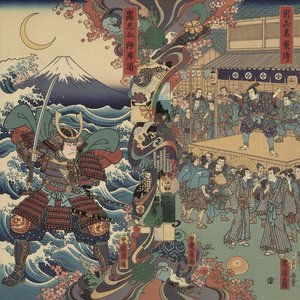
Yi Kyu-Bo (이규보; hanja: 李奎報; 1168–1241) stands as one of the most celebrated figures in Korean literary history, a beacon of artistic brilliance amidst the tumultuous backdrop of the Koryo Dynasty. Born around 1168 in Yeoju, Gyeonggi Province – though precise birth records remain elusive – Yi Kyu-Bo’s life was inextricably linked to the political upheavals that defined his era, shaping both his worldview and his enduring legacy as a poet. His profound understanding of Confucian ethics combined with an unparalleled mastery of poetic form cemented his place among Korea's artistic titans.
Early Life & Education: From childhood, Yi Kyu-Bo demonstrated exceptional talent in literature, memorizing classical texts after a single reading – a feat considered extraordinary for the time. He excelled at Munheon Gongdo, Goryeo’s premier private school, distinguishing himself amongst his peers and establishing a foundation for his future scholarly pursuits.
Civil Service Examinations & Rise to Power: Passing the Sima Si (the Jinsa exam), Yi Kyu-Bo ascended the ranks of government administration in 1189, securing the prestigious position of Dongjinsa – first privy counselor – under Choi Chungheon’s rule. This appointment marked a pivotal moment, placing him at the epicenter of political maneuvering and shaping his involvement in defending Goryeo against Mongol invasions.
Literary Achievements: Yi Kyu-Bo's poetic output is staggering—approximately 2,000 poems survive, reflecting a remarkable breadth of themes ranging from philosophical contemplation to vivid depictions of nature and human emotion. Notably, “The Saga of King Dongmyeong,” commissioned by Choi Chungheon, stands as an unparalleled achievement in Korean epic poetry, capturing the mythic origins of Goguryeo and establishing Yi Kyu-Bo’s reputation as a visionary storyteller.
Philosophical Influence: Yi Kyu-Bo's intellectual convictions diverged from those of his contemporary, Yi Illo, who championed a more conservative stance on artistic creativity. While both shared similar philosophical principles—particularly the importance of Hanmun (Korean language)—Yi Illo prioritized tradition and adherence to established forms, whereas Yi Kyu-Bo advocated for stylistic innovation and expressive freedom.
The Dongguk Isangguk Jeonjip: A Monumental Compilation
Perhaps Yi Kyu-Bo’s most enduring contribution to Korean culture is the *Dongguk Isangguk Jeonjip* (동국이상국집), or “Collected Works of Minister Yi of Korea,” published in 1241. This monumental compilation, consisting of 53 volumes and meticulously woodblock printed, represents one of the earliest texts commissioned by a Korean official patron—a testament to Choi Chungheon’s commitment to preserving Goryeo's heritage. The book delves into the mythic origins of Goguryeo, recounting tales of legendary heroes and divine intervention – narratives that continue to resonate with scholars and artists alike. Ham, Yi Kyu-Bo’s son, oversaw the editing and publication of the first 41 volumes, followed by the final 12 in December of the same year.
A Legacy Shaped by Confucian Ethics & Artistic Innovation
Yi Kyu-Bo's philosophical outlook profoundly influenced his artistic endeavors. Rooted in Confucian ethics—emphasizing filial piety, righteousness, benevolence, and ritual propriety—his poetry reflects a deep engagement with moral dilemmas and explores the human condition through the lens of ethical contemplation. Simultaneously, he championed stylistic innovation, rejecting the rigid conventions favored by some of his peers and advocating for expressive freedom within Hanmun forms. This dual commitment to tradition and creativity distinguishes Yi Kyu-Bo as a singular voice in Korean literary history—a figure who simultaneously honored the past while forging new paths toward artistic excellence.
Exploring Yi Kyubo’s Artistic Vision
Yi Kyubo's influence extends beyond his poetic output, shaping broader debates about the role of art in society and demonstrating a remarkable understanding of Korean cultural identity. His magnum opus, “The Saga of King Dongmyeong,” stands as an unparalleled achievement in Korean epic poetry—a narrative that captures the mythic origins of Goguryeo and establishes Yi Kyu-Bo’s reputation as a visionary storyteller. The poem's stylistic boldness—its departure from established conventions—served as inspiration for subsequent generations of poets, cementing Yi Kyu-Bo’s legacy as a pioneer of Korean literary tradition.
Yi Kyubo in Contemporary Art
Contemporary artists continue to draw inspiration from Yi Kyu-Bo's poetic vision and philosophical convictions. His exploration of themes such as morality, history, and the human condition resonates with artists grappling with questions of identity and purpose—demonstrating that Yi Kyu-Bo’s influence transcends time, shaping artistic discourse and enriching our understanding of Korean cultural heritage.
Explore the captivating world of Utagawa Kuniyoshi, a master of Japanese ukiyo-e woodblock prints. Discover his innovative warrior scenes, vibrant landscapes & lasting legacy in 19th-century art history.