1

三位一体
由马萨乔创作的《三位一体》是一部具有开创性的作品,它引入了多项艺术创新。作为首批运用线性透视法的宏伟文艺复兴绘画之一,它在二维平面上创造出了令人惊叹的深度感与空间感。通过对明暗对比法(chiaroscuro)与晕涂法(sfumato)的精妙运用,艺术家为人物赋予了厚重的体积感与细腻的质感,使之呈现出一种前所未有的写实生命力。

Updated October 2026 · ranked by our popularity score (searches, visits and orders for each work) · 97 works by 马萨乔 in our catalogue
In short
三位一体 (1428) is the 马萨乔 painting that draws the most eyes. After it, the eye goes to 进贡税 (1425) and 逐出伊甸园 (1426). Among the 97 works of 马萨乔 in our catalog, these 97 are the most famous, each a unique original presented with its year, its museum and the reason it endures.
由马萨乔创作的《三位一体》是一部具有开创性的作品,它引入了多项艺术创新。作为首批运用线性透视法的宏伟文艺复兴绘画之一,它在二维平面上创造出了令人惊叹的深度感与空间感。通过对明暗对比法(chiaroscuro)与晕涂法(sfumato)的精妙运用,艺术家为人物赋予了厚重的体积感与细腻的质感,使之呈现出一种前所未有的写实生命力。

这一宏大的场景在佛罗伦萨圣玛丽亚·德尔·卡米纳大教堂的布兰卡奇礼拜堂内缓缓展开。在这里,由马萨乔创作的名为《进贡税》的湿壁画,将一段圣经叙事生动地呈现在礼拜堂的墙壁之上。这部作品由费利切·布兰卡奇委托创作,是献给圣彼得生平系列壁画中的重要篇章。随着画面中的人物穿行于这一具有深远意义的时刻,礼拜堂内的空气仿佛都承载着这段神圣历史的厚重感。

在意大利佛罗伦萨圣玛丽亚·德尔·卡米纳教堂的布兰卡奇礼拜堂内,沉重的寂静承载着一场深刻悲剧的分量。在这里,墙壁仿佛在诉说着“逐出伊甸园”的故事,这是湿壁画大师马萨乔于1425年左右创作的杰作。当人物面对那场突如其来、无法挽回的逐出乐园的命运时,空气仿佛在他们周围凝固、变厚。这一场景标志着一个宏大叙事的开端,作为献给圣彼得生平系列作品中的第一幅湿壁画,拉开了序幕。

这幅令人叹为观止的细节来自马萨乔的开创性壁画《贡金》,它是佛罗伦萨布兰卡齐教堂内的重要作品,创作于1426年。它标志着西方艺术史上的一个转折点,从哥特式风格的程式化表现转向了自然主义和人文主义表达的新时代。马萨乔以其对现实主义、透视法和明暗对比的开创性运用而闻名,为后世艺术家树立了新的标准。

To stand before this Predella panel from the Pisa Altar is to encounter a moment frozen in time, yet vibrating with raw, undeniable human drama. Dating to 1426, this work captures Masaccio at the zenith of his revolutionary power. It is not merely a depiction of the Crucifixion; it is a profound meditation on sacrifice, community, and the weight of divine narrative rendered with startling immediacy. The composition draws the…

In the quiet, profound stillness of Masaccio’s The Madonna of Humility, we encounter one of the most moving snapshots of the Early Italian Renaissance. Created around 1424, this masterpiece transcends mere religious iconography to offer a window into a moment of raw, maternal intimacy. The scene is set not upon a celestial throne, but on the earth itself, where the Virgin Mary sits upon a blue patterned cushion. This choice…
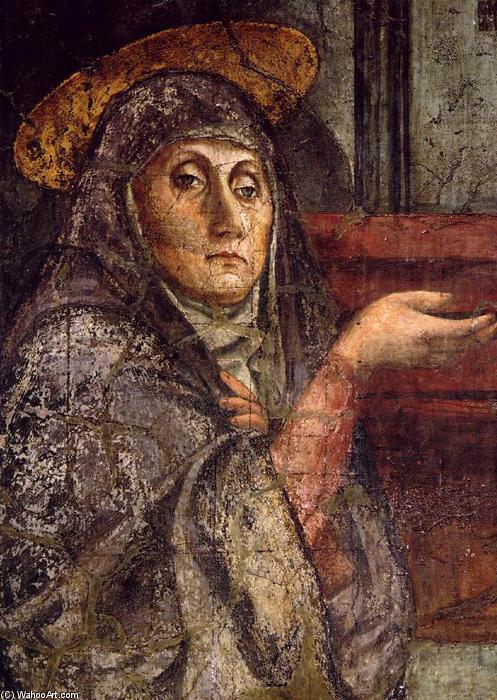
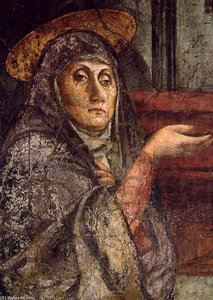
The image presents a detail from a fresco painting created in 1425 by Masaccio. Within this specific view, a figure is depicted that appears to be Mary Magdalene, identified by the traditional iconography of her long hair and a head covering. She possesses a contemplative expression, directing her gaze slightly downwards toward an object held in her right hand, which may be interpreted as a symbol of faith or devotion.

In the quiet, hallowed halls of art history, few works capture the dawn of a new era as poignantly as Masaccio’s Two Panels from the Pisa Altarpiece. Completed in 1426, these panels are far more than mere fragments of a lost polyptych; they are windows into a transformative moment when the rigid conventions of the Gothic period began to dissolve, giving way to the profound humanism of the Early Italian…

To step before Masaccio’s Holy Trinity is to witness the exact moment when the flattened, symbolic world of the Middle Ages dissolved into the profound, breathing reality of the Renaissance. Painted between 1425 and 1427 within the hallowed walls of Santa Maria Novella in Florence, this fresco does not merely depict a religious scene; it carves a hole in the very wall of the chapel, inviting the viewer to step…

Masaccio’s “Trinity (detail),” housed within the magnificent Santa Maria Novella in Florence, isn't merely a fresco; it’s a pivotal moment in art history – a visual manifesto declaring the arrival of the High Renaissance. Painted between 1425 and 1427, this intimate section captures the essence of Masaccio’s revolutionary approach to depicting reality, a departure from the stylized elegance of the preceding Gothic era and a profound influence on generations of…
 View of the Cappella Brancacci (before restoration)1426 · 圣玛利亚德尔卡尔米教堂
12
 Trinity (scheme of the perspective)1425 · 圣玛丽亚·诺韦拉教堂 (Santa Maria Novella)
13
 Raising of the Son of Theophilus and St Peter Enthroned (detail)1426
14
 St Peter Healing the Sick with his Shadow (detail)1426
15
 Frescoes in the Cappella Brancacci (right view)1426 · 圣玛利亚德尔卡尔米教堂
16
 Madonna Casini1426
17
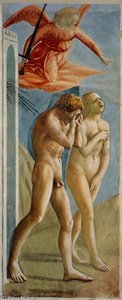 Adam and Eve banished from Paradise1427
18
 The Distribution of Alms and the Death of Ananias (detail)1426
19
 Frescoes in the Cappella Brancacci (left view)1426 · 圣玛利亚德尔卡尔米教堂
20
 Baptism of the Neophytes1427
21
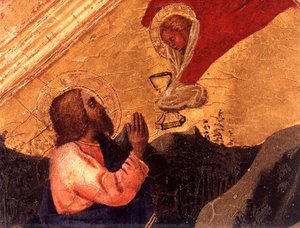 Christ in the Garden of Gethsemane (detail)1424 · Lindenau-Museum
22
 Crucifixion1426 · 卡波迪蒙特博物馆
23
 Tribute Money (detail)1426
24
 The Agony in the Garden1426
25
 St Peter Healing the Sick with his Shadow (detail)1426
26
 St. Juvenal Triptych1422
27
 Maria and Child1426
28
 Tribute Money (detail)1426
29
 The Expulsion from the Garden of Eden (detail)1426
30
 Birth tray1428
31
 The Baptism of the Neophytes1426
32
 Raising of the Son of Theophilus and St Peter Enthroned1426
33
 The Distribution of Alms and the Death of Ananias (detail)1426
34
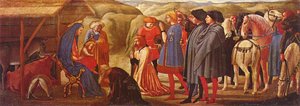 Adoration of the Knigs1428
35
 Tribute Money (detail)1426
36
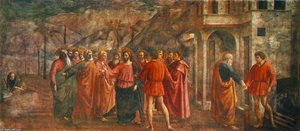 Tribute Money1426
37
 The Expulsion from the Garden of Eden1426
38
 Tribute Money (detail)1426
39
 Raising of the Son of Theophilus and St Peter Enthroned (detail) (9)1426
40
 San Giovenale Triptych. Right panel.1422
41
 Crucifixion1426
42
 Raising of the Son of Theophilus and St Peter Enthroned (detail)1426
43
 Raising of the Son of Theophilus and St Peter Enthroned (detail)1426
44
 The Raising of the Son of Theophilus and St Peter Enthroned (detail)1426
45
 Raising of the Son of Theophilus and St Peter Enthroned (detail)1426
46
 Christ in the Garden of Gethsemane (detail)1424 · Lindenau-Museum
47
 San Giovenale Triptych. Central panel1423
48
 Distribution of Alms and Death of Ananias1425
49
 Profile Portrait of a Young Man
50
 Profile Portrait of a Young Man1425 · 国家美术馆
51
 Rendering of the Tribute Money
52
 Distribution of the Goods of the Community and the Death of Ananias (detail)
53
 St. Giovenale Triptych
54
 The Expulsion from Paradise
55
 The Adoration of the Magi
56
 St. Peter Baptizing the Neophytes
57
 Birth Salver
58
 Medallion
59
 Madonna and Child
60
 Madonna Enthroned
61
 St Jerome and St John the Baptist
62
 Christ in the Garden of Gethsemane1424 · Lindenau-Museum
63
 San Giovenale Triptych. Left panel1422
64
 Portrait of a Young Woman1425
65
 Distribution of the Goods of the Community and the Death of Ananias
66
 The Holy Trinity with the Virgin, St. John and Two Donors
67
 The Cricifixion of St. Peter. The Beheading of St. John the Baptist
68
 La Consagración
69
 Crucifixion
70
 St Jerome and St John the Baptist 1
71
 The Madonna and Child with Saint Anne
72
 Two panels from the Pisa Altarpiece
73
 Portrait of a young man伊莎贝拉·斯图尔特·加德纳博物馆
74
 View of the Cappella Brancacci (after restoration)
75
 Putto and a Small Dog (back side of the Berlin Tondo)
76
 The Madonna and Child with st.Anna.1424
77
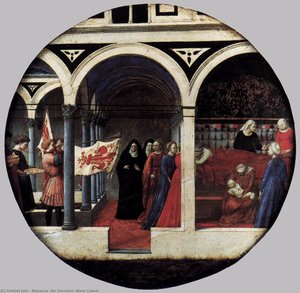 Plate of Nativity (Berlin Tondo)1427 · 柏林州立博物馆
78
 Madonna with Child and Angels1426 · 国家美术馆
79
 The Distribution of Alms and the Death of Ananias1426 · 圣玛利亚德尔卡尔米教堂
80
 St Peter Healing the Sick with his Shadow1426 · 圣玛利亚德尔卡尔米教堂
81
 San Giovenale Triptych1422
82
 Raising of the Son of Teophilus and St.Peter Enthroned1427 · 圣玛利亚德尔卡尔米教堂
83
 St Paul1426 · Museo Nazionale di San Matteo
84
 Carnesecchi Triptych1423
85
 Adoration of the Magi1426 · 柏林州立博物馆
86
 Martyrdom of San Giovanni Battista1426 · 柏林国家美术馆
87
 Predella panel from the Pisa Altar1426 · 柏林州立博物馆
88
 A Bearded Carmelite Saint1426 · 柏林国家美术馆
89
 Madonna Casini1426
90
 Madonna of Humility1420 · 国家美术馆
91
 Repentance of Saint Peter1425 · 圣玛利亚德尔卡尔米教堂
92
 San Agustín柏林国家美术馆
93
 St. Andrew1426 · J·保罗·盖蒂博物馆
94
 Carmelita柏林国家美术馆
95
 St. Jerome柏林国家美术馆
96
 St.Girolamo end Giovanni Battista1428 · 国家美术馆
97
 Crucifixion of St Peter1426 · 柏林州立博物馆
The four subjects that come back most often in these originals, each with its finest example.
The 8 museums that hold the most of the paintings on this page.
| Museum | City | Works by 马萨乔 | Paintings from this list |
|---|---|---|---|
 圣玛利亚德尔卡尔米教堂 |
佛罗伦萨 | 7 | View of the Cappella Brancacci (before restoration), Frescoes in the Cappella Brancacci (right view), Frescoes in the Cappella Brancacci (left view) |
 柏林州立博物馆 |
柏林 | 6 | Predella panel from the Pisa Altar, Two panels from the Pisa Altarpiece, Plate of Nativity (Berlin Tondo) |
 柏林国家美术馆 |
柏林 | 5 | Martyrdom of San Giovanni Battista, A Bearded Carmelite Saint, San Agustín |
 圣玛丽亚·诺韦拉教堂 (Santa Maria Novella) |
佛罗伦萨 | 4 | Trinity (detail), Trinity, Trinity (detail) |
 Lindenau-Museum |
阿尔滕高 | 3 | Christ in the Garden of Gethsemane (detail), Christ in the Garden of Gethsemane (detail), Christ in the Garden of Gethsemane |
 国家美术馆 |
华盛顿 | 2 | Profile Portrait of a Young Man, Madonna of Humility |
 国家美术馆 |
伦敦 | 2 | Madonna with Child and Angels, St.Girolamo end Giovanni Battista |
 卡波迪蒙特博物馆 |
那不勒斯 | 1 | Crucifixion |
马萨乔's dated originals shown here fit into about ten years, 1420 to 1428: the eye follows them year by year.
Pick a year to see its originals.


In the quiet, profound stillness of Masaccio’s The Madonna of Humility, we encounter one of the most moving snapshots of the Early Italian Renaissance. Created around 1424, this masterpiece transcends mere religious iconography to offer a window into a moment of raw, maternal intimacy. The scene is set not upon a celestial throne, but on the earth itself, where the Virgin Mary sits upon a blue patterned cushion. This choice…
More from 1424
这一宏大的场景在佛罗伦萨圣玛丽亚·德尔·卡米纳大教堂的布兰卡奇礼拜堂内缓缓展开。在这里,由马萨乔创作的名为《进贡税》的湿壁画,将一段圣经叙事生动地呈现在礼拜堂的墙壁之上。这部作品由费利切·布兰卡奇委托创作,是献给圣彼得生平系列壁画中的重要篇章。随着画面中的人物穿行于这一具有深远意义的时刻,礼拜堂内的空气仿佛都承载着这段神圣历史的厚重感。
More from 1425
在意大利佛罗伦萨圣玛丽亚·德尔·卡米纳教堂的布兰卡奇礼拜堂内,沉重的寂静承载着一场深刻悲剧的分量。在这里,墙壁仿佛在诉说着“逐出伊甸园”的故事,这是湿壁画大师马萨乔于1425年左右创作的杰作。当人物面对那场突如其来、无法挽回的逐出乐园的命运时,空气仿佛在他们周围凝固、变厚。这一场景标志着一个宏大叙事的开端,作为献给圣彼得生平系列作品中的第一幅湿壁画,拉开了序幕。
More from 1426

由马萨乔创作的《三位一体》是一部具有开创性的作品,它引入了多项艺术创新。作为首批运用线性透视法的宏伟文艺复兴绘画之一,它在二维平面上创造出了令人惊叹的深度感与空间感。通过对明暗对比法(chiaroscuro)与晕涂法(sfumato)的精妙运用,艺术家为人物赋予了厚重的体积感与细腻的质感,使之呈现出一种前所未有的写实生命力。
More from 1428
三位一体 (1428). 进贡税 (1425) and 逐出伊甸园 (1426) come next.
27 years old: 三位一体 dates from 1428, and 马萨乔 was born in 1401.
三位一体, 进贡税, 逐出伊甸园, 《献金图》细节, Predella panel from the Pisa Altar, The Madonna of Humility, Trinity (detail), Two panels from the Pisa Altarpiece, Trinity and Trinity (detail). The ranking above gives each one's year and museum.
Our catalog holds 97 works by 马萨乔, dated from 1420 to 1428.
Mostly in 圣玛利亚德尔卡尔米教堂 (佛罗伦萨), 柏林州立博物馆 (柏林) and 柏林国家美术馆 (柏林). The museum table above lists them all.
In 1426: 41 of the 97 works on this page were made then, 逐出伊甸园 among them.
On this page, the earliest is Madonna of Humility (1420) and the latest 三位一体 (1428).
Saints (30), Religious (25) and Renaissance (14), across the 97 works on this page.
Acrylic On Canvas, for 9 of the 97 works on this page.
早期文艺复兴, judging by the originals on this page.
View of the Cappella Brancacci (before restoration), Frescoes in the Cappella Brancacci (right view) and Frescoes in the Cappella Brancacci (left view): the 圣玛利亚德尔卡尔米教堂, 佛罗伦萨 holds 7 of the works on this page.
Yes, as a reproduction: the original stays in its museum, but any painting on this page can be painted by hand for you, made to order one at a time, from the painting's own page.
托马索·迪·塞尔·乔瓦尼·西蒙内,更为人熟知的是马萨乔(意为“笨拙的托马索”),是早期意大利文艺复兴时期的一位关键人物。他于1401年12月21日出生在意大利圣乔瓦尼·瓦尔达诺,并在1428年英年早逝。短暂的一生彻底改变了绘画艺术,以开创性的现实主义、透视法和明暗对比(强烈的光影对比)而闻名。尽管生命短暂,马萨乔对后世艺术家的影响深远,确立了一种新的自然主义标准,并影响了西方艺术的发展进程。
尽管马萨乔的职业生涯短暂,但他对西方艺术的影响是巨大的。他在透视法、明暗对比和自然主义方面的创新从根本上改变了艺术家描绘世界的方式。他有效地弥合了中世纪艺术传统与新兴文艺复兴理想之间的差距。
马萨乔的遗产作为历史上最重要和最具影响力的艺术家之一而延续。他站在从中古到文艺复兴艺术过渡的关键位置,永远改变了我们通过绘画感知和表现世界的方式。他短暂而辉煌的职业生涯证明了创新力量和艺术天才的持久影响力。