


1


更新于 November 2026 · 基于我们的流行度评分排名(每件作品的搜索量、访问量及订单量) · 3 件 Max Koner 作品收录于我们的目录中
简而言之
在画廊看来,Max Koner 最著名的作品是 Emperor Wilhelm II (1890)。 Prince Herbert Bismarck (1898) 与 Bildnis des Archäologen Ernst Curtius by Max Koner (1896) 共同构成了那组令人过目不忘的艺术三部曲。 在我们的目录中,Max Koner 共有 3 件作品,画廊为您精选了以下 3 件最著名的原作,并详细列出了每件作品的创作年份、馆藏机构及其独特之处。
收藏了本页大部分画作的 1 家博物馆。
| 博物馆 | 城市 | Max Koner 的作品 | 此列表中的画作 |
|---|---|---|---|
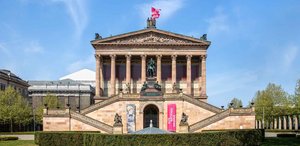 老国家美术馆 |
柏林 | 1 | Bildnis des Archäologen Ernst Curtius by Max Koner |
十载春秋,从 1890 到 1898,对 Max Koner 而言已足够:画廊将这些岁月逐年呈现,一幅又一幅传世名作接踵而至。
选择年份以查看原作。


Emperor Wilhelm II (1890)。紧随其后的是 Prince Herbert Bismarck (1898) 和 Bildnis des Archäologen Ernst Curtius by Max Koner (1896)。
36岁:Emperor Wilhelm II创作于1890年,Max Koner出生于1854年。
我们的目录收录了 3 件 Max Koner 的作品,创作年代从 1890 年至 1898 年。
多见于 老国家美术馆 (柏林)。上方的博物馆列表列出了所有相关机构。
在本页面中,最早的作品创作于 Emperor Wilhelm II (1890),最晚的创作于 Prince Herbert Bismarck (1898)。
Max Johann Bernhard Koner began his time in the studio in Berlin. Between 1873 and 1878, he sat in the classrooms of the Prussian Academy of Arts, learning under the eyes of Eduard Daege, Anton von Werner, Eduard Holbein, and Max Michael. His early hands were more accustomed to the quiet textures of landscapes. He traveled to Italy in 1875 and later moved to Paris in 1878 to continue his studies. These years away from Berlin shaped how he saw light and form before he eventually turned his focus toward the human figure.
By 1886, his personal life and professional life became closely linked when he married Sophie Schäffer. She had been his student, and together they shared a life centered around the brush. In the later years of his career, as commissions for portraits grew numerous, she often assisted him by working on the backgrounds and the details of clothing in his paintings.
The shift from landscape to portraiture defined his later decades. Between 1888 and 1900, he completed more than one hundred portraits. His work found a place within the high society of Berlin, earning him recognition from the imperial court and various noble houses. In 1893, he was accepted as a member of the Academy.
His brush captured many notable figures of his era, including:
In 1894, one of his portraits of the Kaiser earned him a gold medal at the Große Berliner Kunstausstellung. This period of intense work was marked by a steady stream of requests from the upper echelons of German society.
Koner’s involvement in the art community extended beyond his own canvas. He spent time serving on the committee that chose artists for the trading cards produced by the Stollwerck chocolate company. This role required a keen eye for what would appeal to the public through small, printed images.
He died in Berlin in 1900 at the age of forty-six. He was laid to rest at the Friedhöfe vor dem Halleschen Tor. While a monument was once planned for him by Fritz Klimsch, it was not preserved. His life ended as it had been lived, deeply rooted in the studios and social circles of his home city.