Maria Konopnicka: A Voice for Poland’s Soul
Maria Konopnicka (1842-1910) stands as one of the most enduring figures in Polish literature and cultural consciousness—a poet whose unwavering dedication to social justice, coupled with her profound empathy for the common people, cemented her place among the luminaries of the Positivist era. Born in Sworniczka, Poland, Konopnicka’s early life was marked by hardship and poverty, experiences that profoundly shaped her worldview and fueled her artistic impulse. These formative years instilled within her a deep understanding of the struggles faced by rural Poles under Tsarist rule—a perspective she would tirelessly champion throughout her prolific career.
Konopnicka’s upbringing fostered an acute awareness of social inequalities and ignited a passion for education, particularly among women. Her father, a teacher himself, instilled in her the importance of intellectual pursuits and encouraged her to cultivate her literary talents. However, recognizing the limitations imposed upon female writers during her time, Konopnicka adopted pseudonyms like Jan Sawa, allowing her to express herself freely while navigating societal expectations. This strategic maneuver exemplifies her determination to defy convention and assert her voice within a patriarchal landscape.
A Tapestry of Poetry and Visual Nostalgia
Konopnicka’s poetic output spanned across diverse genres—from lyrical ballads exploring themes of love and loss to dramatic narratives confronting social injustices. Her magnum opus, “Psalm,” published in 1895, remains a cornerstone of Polish Romanticism, capturing the spirit of rural Poland with breathtaking detail and emotional resonance. Beyond her written word, her artistic legacy is often intertwined with the visual essence of the era she documented.
Her contributions to the visual narrative of Polish life are seen in works that evoke a sense of timelessness:
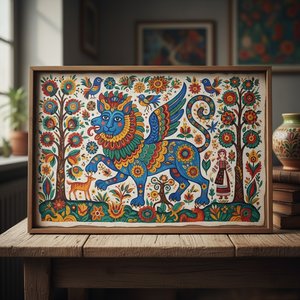
- Antique Book Illustrations: Her 1892 black and white illustrations feature detailed rural scenes and family portraits, utilizing a vintage style that carries a profound nostalgic charm.
- Capturing Childhood Innocence: Her 1895 hand-drawn illustrations capture the Polish Christmas spirit, showcasing the richness of rural life through intricate, nostalgic details.
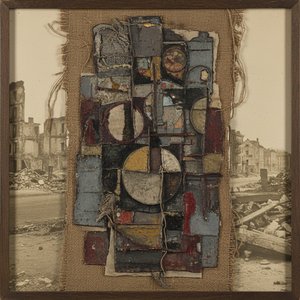
The artwork "Maria Konopnicka-untitled-DD23F2" beautifully illustrates this period, showcasing her masterful technique in hand-drawn illustrations that evoke nostalgia for simpler times. It is a testament to her ability to distill complex emotions into visually arresting images—a skill that allowed her to bridge the gap between high literature and the lived experiences of the peasantry.
Legacy of Activism and Independence
The historical significance of Maria Konopnicka extends far beyond the printed page. She was a pivotal figure of the Positivist period, known not only for her children's literature but as a fierce advocate for women’s rights and national independence. Her work served as a mirror to the Polish soul, reflecting both the suffering of the oppressed and the unyielding hope of a nation seeking its identity.
Through her mastery of realism and her ability to weave patriotic themes into the fabric of everyday life, she became a symbol of resistance. Today, her legacy remains a cornerstone of Polish identity, reminding us of the power of art to serve as both a witness to history and a catalyst for social change.
问答详情
我可以在其所有作品中研究 Maria Konopnicka 对色彩的运用吗?
Maria Konopnicka 作品的色彩特征展示在艺术家的 色彩基因 页面上。
Maria Konopnicka 来自哪里?
Maria Konopnicka 出生于 Poland。
如何按特定色调查找 Maria Konopnicka 的作品?
若要按特定色调查找 Maria Konopnicka 的作品,请访问艺术家的 按色调浏览 页面。
如何按年份顺序浏览 Maria Konopnicka 的作品?
Maria Konopnicka 的作品时间轴现已上线:在艺术家的 作品时间轴 页面中,所有作品均按创作日期排序。