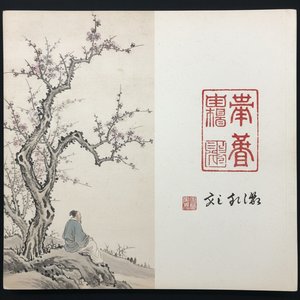
The Enigmatic World of Ike Gyokuran: A Modern Master of Japanese Ink Painting
Ike Gyokuran, a contemporary figure in the world of *sumi-e* (ink painting), stands as a compelling testament to the enduring power and evolving nature of traditional Japanese art. Born in Japan in 1938, Gyokuran has dedicated his life to mastering and subtly reimagining the techniques passed down through centuries, yet remains an elusive figure, preferring to let his artwork speak for itself rather than engage extensively with public biography. This very reticence adds a layer of mystique to his creations, inviting viewers into a deeply personal and contemplative space. While biographical details remain sparse, the impact of his work is anything but understated; Gyokuran has become recognized as one of Japan’s foremost ink painters, bridging the gap between historical precedent and contemporary artistic expression.A Legacy Rooted in Tradition
Gyokuran's artistic journey began with a rigorous grounding in classical Japanese painting styles. He studied under several prominent masters, absorbing not only technical proficiency but also the philosophical underpinnings of *sumi-e*. This tradition emphasizes capturing the essence of nature – its spirit, rather than merely its appearance – through minimalist brushstrokes and carefully considered compositions. The influence of Sesshū Tōyō, a 15th-century Zen Buddhist monk and painter renowned for his dramatic landscapes and expressive use of ink washes, is particularly evident in Gyokuran’s early works. He also draws inspiration from the literati painting tradition (*bunjinga*), which valued intellectual pursuits alongside artistic skill, often incorporating poetry and calligraphy into paintings. However, Gyokuran isn't simply a replicator of past styles; he uses these foundations as a springboard for his own unique vision.The Language of Ink: Technique and Symbolism
Gyokuran’s mastery lies in his profound understanding of ink – its varying densities, textures, and the subtle nuances achievable through brush control. He employs a range of techniques, from bold, sweeping strokes to delicate washes, often within the same composition. This creates a dynamic interplay between light and shadow, suggesting depth and atmosphere with remarkable economy. His subjects are typically drawn from nature: bamboo groves, plum blossoms, birds in flight, and landscapes shrouded in mist. These aren’t merely depictions of natural forms; they function as symbolic representations of deeper philosophical concepts.- Bamboo, for instance, often embodies resilience, integrity, and perseverance.
- Plum blossoms, blooming in the winter cold, symbolize courage and hope amidst adversity.
- Birds frequently represent freedom, spiritual aspiration, or the fleeting nature of existence.
A Contemporary Voice
While deeply rooted in tradition, Gyokuran’s work also reflects a distinctly contemporary sensibility. He subtly incorporates elements that hint at the modern world – perhaps through an unusual perspective or a slightly abstracted form – without sacrificing the core principles of *sumi-e*. His paintings are not nostalgic recreations of a bygone era but vital expressions of his own experience and understanding of the natural world. Gyokuran’s continued artistic activity, even as he maintains a low public profile, demonstrates a commitment to ongoing exploration and refinement. He has exhibited widely in Japan and internationally, gaining recognition for his ability to breathe new life into an ancient art form. His work serves as a powerful reminder that tradition is not static but a living dialogue between past, present, and future.问答详情
Ike Gyokuran 还有哪些别名?
Ike Gyokuran 也被称为 Tokuyama Gyokuran, Machi, Machi Ike, Ikeno Machi, Machi-jo。
如何按特定主题查找 Ike Gyokuran 的作品?
您可以通过艺术家关键词分类页面,按关键词探索Ike Gyokuran的作品。每个关键词都汇集了相关的艺术品。
在哪里可以按主题查看Ike Gyokuran的作品分布?
您可以在Ike Gyokuran的主题索引页面上,按主题探索其作品。