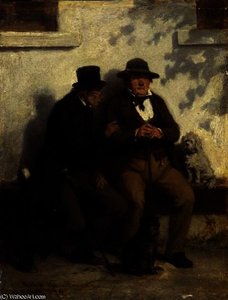
Hugo Kauffmann 肖像

33 幅最著名的 Hugo Kauffmann 作品,每一件都独一无二

更新于 November 2026 · 基于我们的流行度评分排名(每件作品的搜索量、访问量及订单量) · 34 件 Hugo Kauffmann 作品收录于我们的目录中

简而言之

Dead Hare (1869) 是 Hugo Kauffmann 最受瞩目的画作;原作收藏于 慕尼黑 的 巴伐利亚州绘画收藏馆。 随后,目光会移向 Dead Fox (1869) 和 Study Head of an Old Woman (1869)。 在 Hugo Kauffmann 的 34 件作品中,这 33 件最为闻名;每一件都是独一无二的原作,并附有创作年份、馆藏机构及其经久不衰的原因。

1844 – 1915, Hamburg 藏品最多:巴伐利亚州绘画收藏馆

画廊视角下的 Hugo Kauffmann 十大名作

1
Dead Hare (1869) 作 Hugo Kauffmann

Dead Hare

1869 · Oil · 巴伐利亚州绘画收藏馆, 慕尼黑

The stillness of 1869 finds its form in Dead Hare, a work that captures a quiet, heavy moment of existence. Hugo Kauffmann, the hand behind this composition, brings a specific, grounded presence to the subject. He was born in Hamburg, Germany, in 1844, a beginning that eventually leads him to the heart of the Munich School. His gaze settles on the small, the overlooked, and the silent, finding a profound…

2
Dead Fox (1869) 作 Hugo Kauffmann

Dead Fox

1869 · Oil On Panel · 巴伐利亚州绘画收藏馆, 慕尼黑

In this monochromatic oil painting, Hugo Kauffmann presents a quiet study of mortality titled Dead Fox. The composition follows a horizontal arrangement, with the subject positioned as a deceased fox lying on its side. The animal's form stretches across the frame, moving from the upper left toward the lower right. This diagonal orientation creates a sense of stillness, anchoring the viewer's gaze on the stillness of the creature.

3
Study Head of an Old Woman (1869) 作 Hugo Kauffmann

Study Head of an Old Woman

1869 · Oil On Panel · 巴伐利亚州绘画收藏馆, 慕尼黑

In this monochromatic, grayscale oil study, Hugo Kauffmann focuses on the head and shoulders of an elderly woman. The composition is a close-up portrait, centering the viewer's attention directly on the subject's face. Her head is tilted slightly downward, a posture that contributes to the realistic study of aging presented in the work. The subject is set against a neutral, indistinct background, creating a shallow depth that pushes the figure…

4
Peasant Maid at the Stove (1874) 作 Hugo Kauffmann

Peasant Maid at the Stove

1874 · Oil · 巴伐利亚州绘画收藏馆, 慕尼黑

The oil painting Peasant Maid at the Stove, executed in 1874, presents a solitary woman seated within a rustic, domestic setting. She is positioned to the right of the center, resting on a simple wooden stool beside a large masonry stove. Her attire consists of a dark bodice worn over a light-colored blouse with puffed sleeves, a long heavy skirt, and a dark headscarf. Her feet are bare, and her…

5
Bowling Alley (1872) 作 Hugo Kauffmann

Bowling Alley

1872 · Oil · 巴伐利亚州绘画收藏馆, 慕尼黑

This 1872 monochromatic, grayscale oil painting presents a lively and rustic scene set outside a tavern or inn. The composition is densely packed with various figures and architectural elements, creating a bustling, lived-in environment. Through the use of dramatic chiaroscuro, the lighting highlights central figures—specifically a man in white and a young boy—against a darker, textured background consisting of stone walls and a thatched roof.

6
Hunter with Dog in the Wirtshaus (1872) 作 Hugo Kauffmann

Hunter with Dog in the Wirtshaus

1872 · Oil

Inside the dim, wooden confines of a Bavarian tavern, the air feels heavy with the scent of sawdust and spilled ale. A single window allows a soft, pale light to spill across the floorboards, catching the coarse texture of a dog's fur as it rests quietly on the ground. Men occupy the space in various states of repose and motion. One figure sits slumped in a chair, his body heavy…

7
Quarreling Peasants (1884) 作 Hugo Kauffmann

Quarreling Peasants

1884 · Oil On Canvas · 巴伐利亚州绘画收藏馆, 慕尼黑

Hugo Kauffmann’s Quarreling Peasants, painted about 1884, captures a moment of intense interpersonal strife. The scene unfolds within a rustic, dimly lit interior, where a group of peasants is locked in a heated confrontation. This social realism focuses on the raw, unvarnished emotions of a sudden argument, stripping away any sense of idealized rural life to reveal a moment of genuine human conflict.

8
Peasant drinking beer (1879) 作 Hugo Kauffmann

Peasant drinking beer

1879 · Lithograph

In "Peasant drinking beer" by Hugo Kauffmann, we find ourselves in a quiet, intimate moment within a rustic interior. The composition is a medium shot that focuses on a solitary man, positioned slightly off-center to create a sense of natural, unforced balance. He sits within a shallow space, a choice that brings the viewer close to his private world. The scene, created about 1879, captures a man in a state…

9
young couple in Bavarian costume (1885) 作 Hugo Kauffmann

young couple in Bavarian costume

1885 · Oil

In this 1885 oil painting, a man and a woman sit facing one another within a dimly lit, rustic room. The man is positioned on the left, seated in a wooden chair. He leans forward with his arms resting upon the back of the chair, his gaze directed toward the woman. He wears a hat, a light-colored shirt, a vest, and dark breeches paired with light-colored stockings. To the right,…

10
Inn Scene with Magician (1887) 作 Hugo Kauffmann

Inn Scene with Magician

1887 · Oil On Canvas

Step into the dim, crowded atmosphere of this 1887 oil painting. We find ourselves positioned directly within a bustling tavern, seated among the patrons as they lean in toward a central spectacle. A magician, elevated upon a table or platform, holds an object—perhaps a small animal—to command the attention of the room. The scene is dense, layered with figures whose faces catch the light while the edges of the room…

Hugo Kauffmann 的名画,第 11 至 33 幅

Hugo Kauffmann 的传世名作,按时期分类

令 Hugo Kauffmann 驻足的创作主题

这些原作中反复出现的四个主题,各有一个最杰出的范例。

收藏有 Hugo Kauffmann 原作的博物馆

收藏了本页大部分画作的 1 家博物馆。

博物馆 城市 Hugo Kauffmann 的作品 此列表中的画作
巴伐利亚州绘画收藏馆, 慕尼黑巴伐利亚州绘画收藏馆 慕尼黑 8 Dead Hare, Dead Fox, Study Head of an Old Woman

跨越数十载的 Hugo Kauffmann:每一件皆为独一无二的原作

各年代作品统计

选择一个年代,探索定义该时代的原创杰作。

Hugo Kauffmann 的画作:画廊常见问题

Hugo Kauffmann 最著名的代表作是什么?揭晓答案

Dead Hare (1869),巴伐利亚州绘画收藏馆, 慕尼黑。紧随其后的是 Dead Fox (1869) 和 Study Head of an Old Woman (1869)。

Hugo Kauffmann 是在多少岁时创作了 Dead Hare?揭晓答案

25岁:Dead Hare创作于1869年,Hugo Kauffmann出生于1844年。

Hugo Kauffmann 最著名的十幅画作是哪些?揭晓答案

Dead Hare, Dead Fox, Study Head of an Old Woman, Peasant Maid at the Stove, Bowling Alley, Hunter with Dog in the Wirtshaus, Quarreling Peasants, Peasant drinking beer, young couple in Bavarian costume 及 Inn Scene with Magician。上方排名显示了每件作品的创作年份及馆藏机构。

已知 Hugo Kauffmann 有多少件作品?揭晓答案

我们的目录收录了 34 件 Hugo Kauffmann 的作品,创作年代从 1869 年至 1915 年。

在哪里可以欣赏到最著名的 Hugo Kauffmann 原作?揭晓答案

多见于 巴伐利亚州绘画收藏馆 (慕尼黑)。上方的博物馆列表列出了所有相关机构。

Hugo Kauffmann 的代表作创作于哪个时期?揭晓答案

在 1880s 期间:本页 33 件作品中有 6 件创作于该时期,其中包含 Quarreling Peasants 件作品。

哪幅 Hugo Kauffmann 的名作创作年代最早,哪幅最晚?揭晓答案

在本页面中,最早的作品创作于 Dead Hare (1869),最晚的创作于 A conversation (1915)。

Hugo Kauffmann 偏好哪些题材?揭晓答案

Man (13), Woman (9) 及 Table (8),共计 33 件作品。

Hugo Kauffmann 最常使用哪些材料进行创作?揭晓答案

Oil,共计 12 件(本页共有 33 件作品)。

在 巴伐利亚州绘画收藏馆 可以看到哪些 Hugo Kauffmann 的原作?揭晓答案

Dead Hare, Dead Fox 及 Study Head of an Old Woman:巴伐利亚州绘画收藏馆, 慕尼黑收藏了本页中 8 件作品。

Hugo Kauffmann:艺术家肖像

The Soul of the Munich School: The Life and Art of Hugo Wilhelm Kauffmann

In the heart of nineteenth-century German art, few painters captured the quiet dignity of the common man as poignantly as Hugo Wilhelm Kauffmann. Born in Hamburg in 1844, Kauffmann’s journey was one of profound movement—not just across the geographic landscapes of Germany and France, but through a deepening emotional maturity that would eventually define his place within the prestigious Munich School. While his early years were rooted in the traditions of his father, Hermann Kauffmann, it was his rigorous training under masters such as Jakob Becker and Johann Nepomuk Zwerger that provided him with the technical foundation necessary to translate the mundane into the monumental. His artistic evolution was a deliberate departure from the rigid academicism of his era, seeking instead a truth found in the textures of everyday existence.

Kauffmann’s aesthetic sensibility was deeply informed by the atmospheric weight of Romanticism. The haunting, psychological landscapes of Caspar David Friedrich left an indelible mark on his psyche, teaching him that light and shadow could serve as vessels for human emotion. As he moved through the artistic hubs of Düsseldorf and Paris, his style began to coalesce into a unique form of realism. He did not merely observe; he empathized. This empathy became the cornerstone of his genre paintings, where the bustling atmosphere of a Bavarian tavern or the weary posture of a laborer was rendered with a precision that felt both intimate and universal. His brushwork, often described as loose yet remarkably controlled, allowed for a palpable sense of movement and life to breathe within the frame.

A Master of the Mundane and the Magnificent

The true brilliance of Kauffmann lies in his ability to elevate the ordinary. To look upon a Kauffmann painting is to enter a world where the small, often overlooked moments of life are granted eternal significance. He possessed an extraordinary talent for rendering the tactile qualities of his subjects—the rough grain of a wooden table, the heavy fabric of a peasant's tunic, or the soft glow of candlelight reflecting in a glass of beer. This commitment to verisimilitude was not just about visual accuracy; it was about capturing the very essence of the human condition, portraying individuals with all their inherent vulnerability and resilience.

His notable works serve as windows into a bygone era of German social life:

  • Besuch Des Schaustellers Dazogard: A poignant exploration of Bavarian peasant life that captures the fleeting magic of a traveling performer's visit.
  • The Musicians: A piece that showcases his ability to weave narrative and sound into a visual composition, highlighting the communal joy found in simple melodies.
  • Portrait of a Man: Demonstrating his skill in character study, where every line on a face tells a story of lived experience.

Through these works, Kauffmann became a chronicler of the Munich School’s ethos, working alongside contemporaries like Wilhelm Leibl to reject idealized, hollow representations in favor of an unflinching honesty. His legacy is not found in grand historical epics, but in the quiet, enduring strength of the people he painted—the laborers, the villagers, and the dreamers who inhabited the corners of the German landscape.