亨德里克·杜博思 肖像

36 幅最著名的 亨德里克·杜博思 作品,每一件都独一无二

更新于 November 2026 · 基于我们的流行度评分排名(每件作品的搜索量、访问量及订单量) · 45 件 亨德里克·杜博思 作品收录于我们的目录中

简而言之

Winter Landscape (1641) 是 亨德里克·杜博思 最受瞩目的画作;原作收藏于 檀香山 的 檀香山艺术博物馆。 随后,目光会移向 Sea Storm with Shipwreck (1655) 和 View of Amsterdam seen from the IJ (1651)。 在 亨德里克·杜博思 的 45 件作品中,这 36 件最为闻名;每一件都是独一无二的原作,并附有创作年份、馆藏机构及其经久不衰的原因。

1621 – 1707, 阿姆斯特丹 Dutch golden age 藏品最多:国家博物馆

画廊视角下的 亨德里克·杜博思 十大名作

1
Winter Landscape (1641) 作 亨德里克·杜博思

Winter Landscape

1641 · Oil On Canvas · 檀香山艺术博物馆, 檀香山

A heavy, dramatic sky hangs low over a frozen expanse, casting a somber mood across the scene. The air feels thick with moisture, as if a sudden frost has just gripped the landscape. Beneath a canopy of billowing, charcoal-colored clouds, a pale pink glow struggles to pierce through the gloom near the horizon, suggesting the quiet transition of dawn or the fading light of dusk. This light does not warm…

2
Sea Storm with Shipwreck (1655) 作 亨德里克·杜博思

Sea Storm with Shipwreck

1655 · Oil · 巴伐利亚州绘画收藏馆, 慕尼黑

The sea is a heavy, churning mass of grey and white. In this 1655 oil painting, the water does not merely move; it strikes. Massive, diagonal waves rise like walls of liquid stone, their crests frozen in thick, impasto foam that catches a pale, ghostly light. A ship struggles within this chaos, its masts tilting at a desperate angle against the crushing weight of the sky. The composition pulls the…

3
View of Amsterdam seen from the IJ (1651) 作 亨德里克·杜博思

View of Amsterdam seen from the IJ

1651 · Oil On Canvas · 阿姆斯特丹博物馆, 阿姆斯特丹

The composition presents a wide view of the IJ waterway, looking toward the skyline of Amsterdam. In the foreground and middle ground, several sailing vessels occupy the water. These ships vary in size and type, with some positioned in profile and others angled toward the viewer. The vessels feature detailed rigging, masts, and sails, some of which appear filled by the wind. The water surface is relatively calm, reflecting the…

4
A Calm, with fishermen near a jetty (1655) 作 亨德里克·杜博思

A Calm, with fishermen near a jetty

1655 · Oil On Canvas

In this 1655 oil on canvas, the composition is defined by a low horizon line that allows a vast, cloud-filled sky to occupy the upper two-thirds of the frame. The scene depicts a tranquil maritime setting near a jetty, where the water meets a shoreline under a dramatic, expansive sky. Several wooden sailing vessels are positioned within the frame; some feature raised sails while others remain at rest. Near the…

5
Ships on open water, a frigate on the right (1657) 作 亨德里克·杜博思

Ships on open water, a frigate on the right

1657 · Oil · 德累斯顿国家艺术收藏馆, 德累斯顿

Ships on open water, a frigate on the right is a maritime oil painting by Hendrick Dubbels. Created about 1657, the work captures a dramatic seascape characterized by a turbulent sky and heavy, swirling clouds. The composition focuses on the movement of the sea, featuring several sailing vessels navigating choppy, dark waters. A large, detailed frigate occupies the right side of the canvas, its dark hull and complex rigging silhouetted…

6
Calm Sea at Ebb Tide (1653) 作 亨德里克·杜博思

Calm Sea at Ebb Tide

1653 · Oil On Canvas · 维也纳艺术史博物馆, 维也纳

The scene depicts a maritime landscape during an ebb tide, where the water recedes to reveal a shallow, wet shoreline. In the foreground, the low perspective places the viewer near the edge of the water, where the surface reflects the heavy, overcast sky. Two primary vessels occupy the mid-ground. To the left, a larger sailing ship sits in the water, while to the right, a more prominent multi-masted boat features…

7
The Port of Amsterdam in Winter (1660) 作 亨德里克·杜博思

The Port of Amsterdam in Winter

1660 · Oil On Canvas · 普拉多博物馆, 马德里

A vast, overcast sky dominates the upper two-thirds of this 1660 oil on canvas, casting a soft, diffused light over a frozen harbor. The low horizon line emphasizes the immense scale of the atmosphere, pushing the viewer's gaze toward the rhythmic verticality of ship masts. Below, the icy surface of the water reflects a muted palette of slate blue, grey, and white, punctuated by the warm, earthy tones of wooden…

8
View of a Dutch Roadstead (1652) 作 亨德里克·杜博思

View of a Dutch Roadstead

1652 · Oil On Canvas · 斯泰恩斯博物馆艺术馆, 哥本哈根

A heavy, cloud-filled sky dominates the upper two-thirds of this 1652 oil on canvas, casting a diffused, indirect light across a Dutch roadstead. The composition utilizes a low horizon line to emphasize the vastness of the atmosphere, where muted tones of grey, beige, ochre, and deep brown create a sense of misty, overcast light. Vertical masts of various sailing vessels break the horizontal expanse of the water and shoreline, providing…

9
Ships in a Breeze Off the Dutch Coast (1655) 作 亨德里克·杜博思

Ships in a Breeze Off the Dutch Coast

1655 · Oil On Canvas · 斯泰恩斯博物馆艺术馆, 哥本哈根

A fleet of sailing vessels navigates choppy waters under a heavy, cloud-filled sky in this 1655 oil on canvas. The composition utilizes a low horizon line, which emphasizes the vastness of the sky and the scale of the cumulus clouds. Muted, tonalist hues of deep blue, grey, ochre, and earthy brown dominate the palette. The vertical masts of the ships and the diagonal sweeps of the billowing sails provide a…

10
A Calm Sea (1655) 作 亨德里克·杜博思

A Calm Sea

1655 · Oil On Canvas · 博伊曼斯·范·本宁根博物馆, 鹿特丹

There is a profound stillness in this 1655 composition, a moment of pause captured amidst the vastness of the maritime world. The scene presents a serene seascape where the horizon is dominated by an expansive sky, filled with large, billowing cumulus clouds that occupy the upper two-thirds of the canvas. These clouds, rendered with a soft and painterly texture, seem to hold the weight of the atmosphere, casting a gentle,…

亨德里克·杜博思 的名画,第 11 至 36 幅

令 亨德里克·杜博思 驻足的创作主题

这些原作中反复出现的四个主题,各有一个最杰出的范例。

收藏有 亨德里克·杜博思 原作的博物馆

收藏了本页大部分画作的 8 家博物馆。

博物馆 城市 亨德里克·杜博思 的作品 此列表中的画作
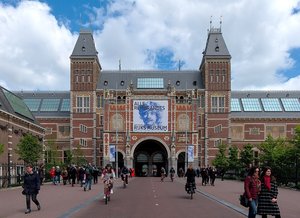
国家博物馆, 阿姆斯特丹国家博物馆 阿姆斯特丹 5 Port with sailships and a ferry, Calm sea, Harbor with Sailing Ships and Ferry
阿姆斯特丹博物馆, 阿姆斯特丹阿姆斯特丹博物馆 阿姆斯特丹 3 View of Amsterdam seen from the IJ, Amsterdam, skating on the Amstel river near the two city defense quarters (called blokhuizen), A fleet near Den Helder
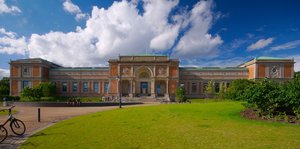
斯泰恩斯博物馆艺术馆, 哥本哈根斯泰恩斯博物馆艺术馆 哥本哈根 2 View of a Dutch Roadstead, Ships in a Breeze Off the Dutch Coast
博伊曼斯·范·本宁根博物馆, 鹿特丹博伊曼斯·范·本宁根博物馆 鹿特丹 2 A Calm Sea, Ships in a storm
国家海事博物馆, 伦敦国家海事博物馆 伦敦 2 Dutch Fishing Boats Becalmed near a Jetty, Dutch Vessels at a Pier
檀香山艺术博物馆, 檀香山檀香山艺术博物馆 檀香山 1 Winter Landscape
巴伐利亚州绘画收藏馆, 慕尼黑巴伐利亚州绘画收藏馆 慕尼黑 1 Sea Storm with Shipwreck
德累斯顿国家艺术收藏馆, 德累斯顿德累斯顿国家艺术收藏馆 德累斯顿 1 Ships on open water, a frigate on the right

跨越数十载的 亨德里克·杜博思:每一件皆为独一无二的原作

各年代作品统计

选择一个年代,探索定义该时代的原创杰作。

亨德里克·杜博思 的画作:画廊常见问题

亨德里克·杜博思 最著名的代表作是什么?揭晓答案

Winter Landscape (1641),檀香山艺术博物馆, 檀香山。紧随其后的是 Sea Storm with Shipwreck (1655) 和 View of Amsterdam seen from the IJ (1651)。

亨德里克·杜博思 是在多少岁时创作了 Winter Landscape?揭晓答案

20岁:Winter Landscape创作于1641年,亨德里克·杜博思出生于1621年。

亨德里克·杜博思 最著名的十幅画作是哪些?揭晓答案

Winter Landscape, Sea Storm with Shipwreck, View of Amsterdam seen from the IJ, A Calm, with fishermen near a jetty, Ships on open water, a frigate on the right, Calm Sea at Ebb Tide, The Port of Amsterdam in Winter, View of a Dutch Roadstead, Ships in a Breeze Off the Dutch Coast 及 A Calm Sea。上方排名显示了每件作品的创作年份及馆藏机构。

已知 亨德里克·杜博思 有多少件作品?揭晓答案

我们的目录收录了 45 件 亨德里克·杜博思 的作品,创作年代从 1641 年至 1676 年。

在哪里可以欣赏到最著名的 亨德里克·杜博思 原作?揭晓答案

多见于 国家博物馆 (阿姆斯特丹), 阿姆斯特丹博物馆 (阿姆斯特丹) 及 斯泰恩斯博物馆艺术馆 (哥本哈根)。上方的博物馆列表列出了所有相关机构。

亨德里克·杜博思 的代表作创作于哪个时期?揭晓答案

在 1650s 期间:本页 36 件作品中有 13 件创作于该时期,其中包含 Sea Storm with Shipwreck 件作品。

哪幅 亨德里克·杜博思 的名作创作年代最早,哪幅最晚?揭晓答案

在本页面中,最早的作品创作于 Winter Landscape (1641),最晚的创作于 View of Batavia, Hendrick Jacobsz. Dubbels, 1640 - 1676 (1676)。

亨德里克·杜博思 偏好哪些题材?揭晓答案

Clouds (22), Sky (21) 及 Water (20),共计 36 件作品。

亨德里克·杜博思 最常使用哪些材料进行创作?揭晓答案

Oil On Canvas,共计 23 件(本页共有 36 件作品)。

亨德里克·杜博思 的作品属于哪种艺术流派?揭晓答案

根据本页面的原作,Dutch golden age

在 国家博物馆 可以看到哪些 亨德里克·杜博思 的原作?揭晓答案

Port with sailships and a ferry, Calm sea 及 Harbor with Sailing Ships and Ferry:国家博物馆, 阿姆斯特丹收藏了本页中 5 件作品。

亨德里克·杜博思:艺术家肖像

The Maritime World of Hendrick Dubbels

Hendrick Dubbels, a name perhaps less celebrated than some of his Dutch Golden Age contemporaries, nevertheless occupies a significant niche in the pantheon of marine painters. Born and active during the 17th century – precise dates remain elusive, adding to the mystique surrounding this artist – Dubbels dedicated his life to capturing the drama and detail of ships and the sea. He wasn’t merely documenting vessels; he was translating the very essence of Dutch maritime power, trade, and exploration onto canvas. His work provides a fascinating window into a period where the Netherlands dominated global shipping lanes and its artistic output reflected this national pride. Dubbels' paintings are characterized by their meticulous realism, dynamic compositions, and atmospheric rendering, qualities that established him as a sought-after artist among merchants, naval officers, and collectors alike.

A Life Shrouded in Detail

Unfortunately, biographical information regarding Hendrick Dubbels is remarkably scarce. Unlike artists who benefitted from extensive patronage networks or self-promotion, details of his personal life are fragmented. It’s believed he hailed from a family connected to the shipbuilding industry, which likely fostered his early fascination with ships and their construction. He appears to have been primarily active in Amsterdam, the bustling heart of Dutch commerce and naval activity. Records suggest he worked alongside other prominent marine artists of the time, potentially as a studio assistant or through collaborative projects. While we lack intimate details about his upbringing or personal relationships, the sheer volume and quality of his surviving work speak volumes about his dedication to his craft and his mastery of maritime subject matter. The absence of extensive documentation perhaps reflects a focus on the technical aspects of painting rather than self-aggrandizement – a characteristic common among many skilled artisans of the period who prioritized execution over personal fame.

Painting the Fleet: Style and Technique

Dubbels’ artistic style is firmly rooted in the Dutch Realist tradition, but he infused it with a unique sense of dynamism. His paintings aren't static depictions; they convey movement – the roll of waves, the billowing of sails, the energy of a busy harbor. He possessed an exceptional ability to render light and shadow, creating atmospheric effects that heighten the drama of his scenes. His meticulous attention to detail is perhaps his most defining characteristic. Each ship is painstakingly rendered, from the intricate rigging to the individual planks of wood on the hull. Dubbels wasn’t simply painting ships; he was recreating them with an almost photographic accuracy. He often depicted vessels in various states – at anchor, underway, engaged in battle, or caught in a storm – showcasing his versatility and technical skill. His compositions are typically complex, featuring multiple ships and figures arranged to create a sense of depth and perspective. The color palettes he employed were generally subdued, reflecting the often-grey and overcast conditions of the North Sea, but punctuated by flashes of vibrant color in flags, clothing, or the setting sun.

Influences and Legacy

While Dubbels developed a distinctive style, his work wasn’t created in isolation. He was undoubtedly influenced by earlier Dutch marine painters such as Jan Porcellis and Simon de Vlieger, both of whom pioneered realistic depictions of ships and seascapes. However, Dubbels moved beyond mere imitation, developing a more sophisticated understanding of light, atmosphere, and composition. His paintings also reflect the influence of contemporary cartography and naval architecture, demonstrating his commitment to accuracy and detail.
  • His work served as an important visual record of Dutch shipbuilding technology and maritime practices.
  • Dubbels’ paintings were highly sought after by collectors who valued their realism and historical significance.
  • He contributed to the development of a distinctively Dutch marine painting tradition that would influence generations of artists.
Although his name may not be as widely recognized today, Hendrick Dubbels' legacy endures through the numerous paintings he left behind – testaments to his skill, dedication, and profound understanding of the maritime world. His work continues to captivate viewers with its beauty, detail, and evocative portrayal of a pivotal era in Dutch history.