Ernest Archibald Taylor: A Highland Visionary
Ernest Archibald Taylor, a name perhaps less familiar than some of his contemporaries within the Scottish Colourist movement, nevertheless represents a vital and deeply personal thread in the rich tapestry of late 19th and early 20th-century British art. Born in Greenock in 1874, into a large family with roots in the military, Taylor’s artistic journey began not in a formal studio but amidst the industrial landscape of shipbuilding – an experience that would profoundly shape his later depictions of rugged terrain and working life. His early training instilled a meticulous eye for detail and a practical understanding of form, qualities he skillfully translated into his distinctive style.
Taylor’s artistic development was inextricably linked to his marriage in 1908 to Jessie M. King, a fellow artist whose own creative spirit complemented and influenced his work. Together they established the Shearling Atelier in Paris during the early years of the 20th century, immersing themselves in the vibrant currents of modern art – particularly the innovations of the Ballets Russes and the bold experimentation of the Scottish Colourists like Peploe and Fergusson. This Parisian sojourn marked a crucial turning point, broadening Taylor’s palette and introducing him to new approaches to composition and colour. The influence of French Impressionism is evident in his later works, particularly in the way he captures fleeting light and atmosphere.
The Highland Landscape and the Spirit of Place
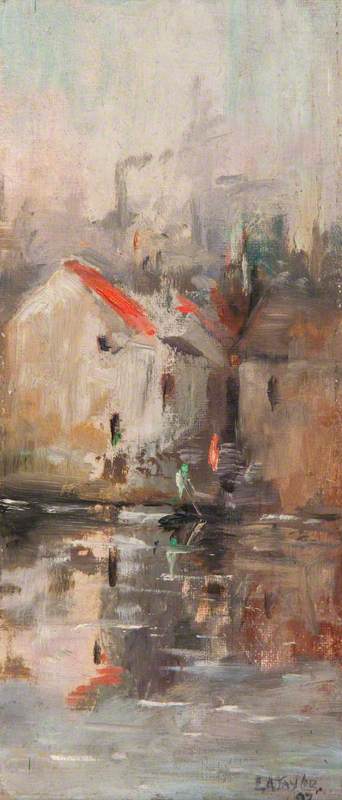
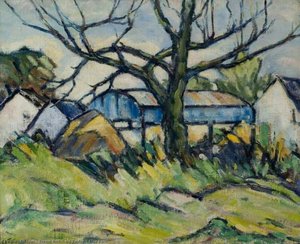
Returning to Scotland in 1915, Taylor found his artistic focus firmly rooted in the dramatic landscapes of the Highlands. He wasn’t merely painting picturesque views; he sought to capture the *spirit* of these wild regions – their inherent strength, resilience, and a sense of timelessness. His paintings are characterized by bold brushstrokes, often applied with a loose, expressive quality, that convey both the grandeur and the austerity of the Highland environment. He frequently depicted crofts nestled amongst towering rock formations, conveying a powerful sense of isolation and connection to the land.
Taylor’s technique evolved significantly over his career. Early works demonstrate a more detailed, almost photographic approach, reflecting his training in shipbuilding. However, as he matured, his style became increasingly expressive, prioritizing colour and texture over precise representation. He employed a vibrant palette – deep blues, greens, and browns punctuated by flashes of ochre and crimson – to evoke the dramatic light and weather conditions prevalent in the Highlands. His compositions often feature strong diagonals and asymmetrical arrangements, creating a dynamic sense of movement and depth.
A Designer’s Hand: Furniture, Stained Glass, and Interior Decoration
Beyond his paintings, Taylor was a highly skilled designer, contributing significantly to the world of furniture, stained glass, and interior decoration. His early work with Wylie & Lochhead in Glasgow established him as a leading figure in the Arts and Crafts movement, known for his elegant and functional designs that blended traditional craftsmanship with contemporary aesthetics. He created intricate furniture pieces incorporating natural materials like wood and leather, reflecting a deep appreciation for the beauty of the natural world.
His stained glass commissions were particularly noteworthy. Working for George Wragge Ltd., he designed elaborate panels for domestic interiors, often drawing inspiration from Scottish folklore and landscape motifs. These works demonstrate his mastery of colour and texture, creating luminous and evocative images that transformed ordinary spaces into extraordinary environments. His designs seamlessly integrated with the surrounding architecture, enhancing the beauty and character of the buildings they adorned.
Legacy and Recognition
Ernest Archibald Taylor’s work is now recognized as a significant contribution to Scottish art history. His paintings are held in public collections, including those at Glasgow Museums and Kirkcudbright Galleries, offering viewers a glimpse into his unique vision of the Highlands. The Taylor Institution in Oxford houses an extensive collection of his drawings and prints, providing invaluable insights into his artistic process.
Beyond his individual achievements, Taylor played a crucial role in fostering a thriving artist community in Kirkcudbright, establishing the Dumfries and Galloway Fine Art Society and hosting summer schools that attracted talented artists from across Scotland and beyond. His legacy extends far beyond his own creations, shaping the cultural landscape of the region and inspiring generations of artists to explore the beauty and power of the Scottish Highlands.