


1


更新于 November 2026 · 基于我们的流行度评分排名(每件作品的搜索量、访问量及订单量) · 26 件 大卫·麦克布斯·萨瑟兰 作品收录于我们的目录中
简而言之
Dr James Cromar Watt (d.c.1941), LLD 是大卫·麦克布斯·萨瑟兰最受瞩目的画作。 随后,目光会移向 Don Diego de Acedo (after Diego Velázquez) (1911) 和 The Painting Student (1920)。 在 大卫·麦克布斯·萨瑟兰 的 26 件作品中,这 26 件最为闻名;每一件都是独一无二的原作,并附有创作年份、馆藏机构及其经久不衰的原因。


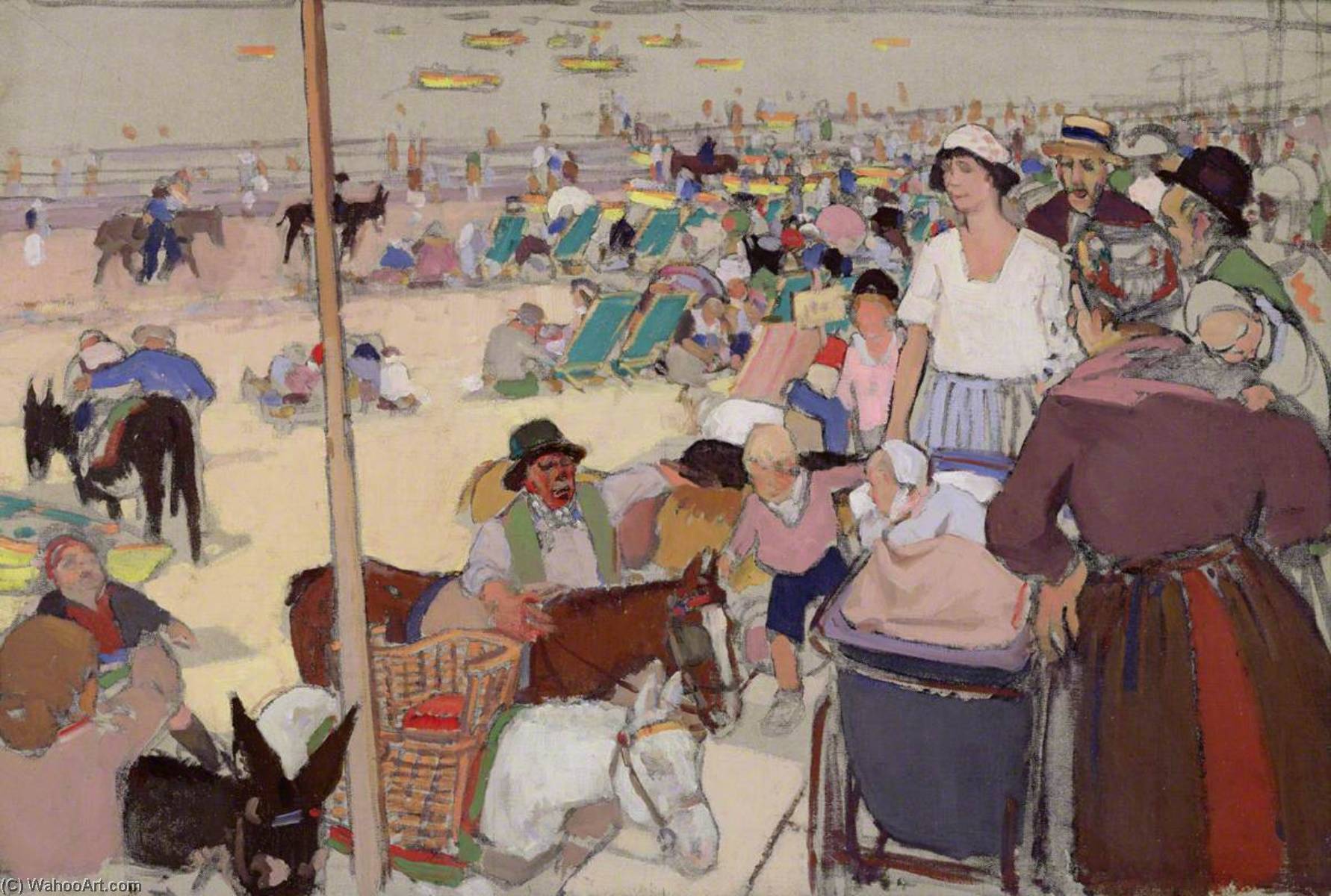

 James Cowie (1886–1956), RSA1935 · 皇家苏格兰学院艺术与建筑展
12
 The Fisherman's Regatta, Brittany, France1943
13
 War in the Forest Newfoundland Lumberjacks at Work in Scotland1940
14
 Winter Landscape, West Cults, Aberdeen1940
15
 The Loading, Landings, Newfoundland Lumberjacks at Work in Scottish Forest1940
16
 A Deeside Stackyard in Winter1940 · 皇家苏格兰学院艺术与建筑展
17
 Approach of Winter, Kincardineshire1949
18
 The Breakwater, Stonehaven Harbour, Kincardinshire1950
19
 Bridge of Alcántara, Toledo
20
 Evening in Skye, Loch Carron, Highlands
21
 Barn Interior with a Woman Milking a Cow and a Man Entering a Barn
22
 Noon
23
 Breton HarvestThe Fleming Collection
24
 Drying the Nets, ConcarneauThe Fleming Collection
25
 Farm near Rhynie, North of Aberdeen (verso)
26
 Drambuie, Wester Ross (recto)
收藏了本页大部分画作的 3 家博物馆。
| 博物馆 | 城市 | 大卫·麦克布斯·萨瑟兰 的作品 | 此列表中的画作 |
|---|---|---|---|
 皇家苏格兰学院艺术与建筑展 |
爱丁堡 | 4 | Don Diego de Acedo (after Diego Velázquez), Breton Peasant, James Cowie (1886–1956), RSA |
 The Fleming Collection |
伦敦 | 4 | Breton Dancers, Concarneau, Bank Holiday, Portobello Beach, Breton Harvest |
 Wick Town Hall |
威克 | 1 | General The Lord Horne of Stirkoke (1861–1929) |
选择一个年代,探索定义该时代的原创杰作。


Dr James Cromar Watt (d.c.1941), LLD。紧随其后的是 Don Diego de Acedo (after Diego Velázquez) (1911) 和 The Painting Student (1920)。
Dr James Cromar Watt (d.c.1941), LLD, Don Diego de Acedo (after Diego Velázquez), The Painting Student, Captain Cromarty, The Demolition of the Crown Hotel, Edinburgh, General The Lord Horne of Stirkoke (1861–1929), Breton Peasant, Breton Dancers, Concarneau, Bank Holiday, Portobello Beach 及 Flower Piece。上方排名显示了每件作品的创作年份及馆藏机构。
我们的目录收录了 26 件 大卫·麦克布斯·萨瑟兰 的作品,创作年代从 1911 年至 1950 年。
多见于 皇家苏格兰学院艺术与建筑展 (爱丁堡), The Fleming Collection (伦敦) 及 Wick Town Hall (威克)。上方的博物馆列表列出了所有相关机构。
在 1920s 期间:本页 26 件作品中有 6 件创作于该时期,其中包含 The Painting Student 件作品。
在本页面中,最早的作品创作于 Don Diego de Acedo (after Diego Velázquez) (1911),最晚的创作于 The Breakwater, Stonehaven Harbour, Kincardinshire (1950)。
根据本页面的原作,Impressionism
Don Diego de Acedo (after Diego Velázquez), Breton Peasant 及 James Cowie (1886–1956), RSA:皇家苏格兰学院艺术与建筑展, 爱丁堡收藏了本页中 4 件作品。
Born in the rugged beauty of Wick, Caithness, David Macbeth Sutherland emerged as a profound voice in Scottish art, weaving together the textures of his homeland with a sophisticated, impressionistic sensibility. His journey from a student of law to a master of the brush is a testament to a deep-seated passion for visual storytelling. After moving to Edinburgh to work as an apprentice in a lithographic business, Sutherland found his true calling within the halls of the Royal Scottish Academy (RSA) and the Edinburgh College of Art. Under the guidance of mentors like Charles Mackie, he honed a technique that could oscillate between the delicate precision of watercolor and the evocative, textured depth of oil on canvas.
His early development was marked by a spirit of exploration, fueled by the prestigious RSA Carnegie Travelling Scholarship in 1911. This opportunity allowed him to wander through Spain, France, and the Netherlands, absorbing the light and atmosphere of the continent. These travels enriched his palette and expanded his vision, bringing a cosmopolitan flair back to the Scottish landscapes he so dearly loved. Alongside fellow artists, he became a pivotal figure in the revival of the Edinburgh Group, contributing to a vibrant era of artistic community and shared studio spaces in Edinburgh.
Sutherland’s oeuvre is a love letter to the varied terrains of Scotland and beyond. He possessed a remarkable ability to capture the ephemeral qualities of nature—the hazy mountains of Wester Ross, the serene greens of a quiet noon, and the shifting urban realities of Edinburgh. His work often transcends mere representation, utilizing impressionistic brushwork to evoke the emotional weight of a place. Whether depicting the ruggedness of Drambuie or the architectural transformations of his city, his paintings resonate with an intimate connection to the land.
Beyond the landscapes, Sutherland was also a gifted portraitist, capable of capturing the dignity and character of his subjects. His versatility allowed him to move seamlessly between the vastness of the outdoors and the focused intimacy of a studio portrait. This duality in his work—the ability to command both the grand scale of nature and the subtle nuances of human expression—cemented his reputation as a versatile and deeply perceptive artist.
The later years of Sutherland's life were defined by a significant commitment to the cultivation of future generations. His long tenure as the Director of Gray's School of Art in Aberdeen allowed him to shape the trajectory of art education in Scotland. This period of leadership was not merely administrative; it was an extension of his lifelong devotion to the arts. Even during the tumultuous years of World War II, his artistic spirit remained undimmed, serving as an Official War Artist and recording the poignant scenes of Newfoundland lumberjacks on Deeside.
Sutherland's historical significance lies in his ability to bridge the gap between traditional Scottish themes and modern impressionistic techniques. His life, marked by both personal bravery—having been awarded the Military Cross—and academic excellence, reflects a man who was as much a part of the history he painted as the landscapes themselves. Through his paintings and his teaching, the essence of the Scottish spirit continues to endure.