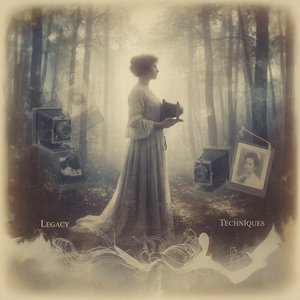
Christian Boltanski: A Life Dedicated to Memory
Christian Liberté Boltanski (September 6, 1944 – July 14, 2021) was a profoundly influential French sculptor, photographer, painter, and filmmaker. His work consistently grappled with themes of memory, loss, identity, and the fragility of human existence.
Early Life and Influences
Born in Odesa, Ukrainian SSR (now Ukraine), Boltanski’s early life was marked by displacement and a sense of hidden history. His family fled persecution during World War II, concealing his Jewish heritage to survive. This experience deeply impacted his artistic vision, fostering a lifelong preoccupation with the past and the stories left untold.
He moved to France with his family in 1954. Boltanski initially studied photography but quickly expanded his practice to encompass a wide range of media. Early influences included filmmakers like Alain Resnais and artists exploring narrative and documentation, such as Marcel Duchamp.
Artistic Development & Style
Boltanski’s artistic journey began in the late 1960s with experimental films and photographic series documenting everyday life. He soon moved towards creating large-scale installations that incorporated found objects – photographs, clothing, letters, and personal belongings – to evoke a sense of collective memory and individual loss.
His style is characterized by:
- The use of archival materials and found objects
- A minimalist aesthetic often employing stark lighting and simple arrangements
- An emphasis on the ephemeral nature of time and remembrance
- Recurring motifs such as portraits, shadows, and anonymous figures
He frequently employed a deliberately fragmented and incomplete approach, suggesting the difficulty of fully reconstructing the past.
Major Works & Achievements
Boltanski created numerous impactful works throughout his career. Some notable examples include:
- Reserve of Dead Swiss (1980s): A powerful installation featuring hundreds of photographs of anonymous individuals, exploring themes of anonymity and mortality.
- L’Homme qui tousse (The Man Who Coughs) : An evocative work that uses sound and imagery to create a haunting atmosphere.
- His numerous installations utilizing old photographs, often presented in grid-like arrangements or illuminated boxes.
Boltanski exhibited extensively internationally, with his work featured at prestigious institutions such as the Museum of Modern Art (MoMA) and Centre Pompidou.
Historical Significance & Legacy
Christian Boltanski’s work holds significant importance in contemporary art. He challenged traditional notions of representation and memory, prompting viewers to confront uncomfortable truths about history, loss, and the human condition. His installations paved the way for a new generation of artists exploring similar themes.
His legacy lies in:
- Pioneering the use of archival materials in contemporary art
- Raising awareness about the importance of preserving collective memory
- Creating emotionally resonant works that continue to provoke reflection and dialogue.
Boltanski’s influence extends beyond the visual arts, impacting fields such as literature, film, and cultural studies. He remains a vital figure in understanding the complexities of modern identity and the enduring power of remembrance.
问答详情
Christian Liberté Boltanski 的艺术生涯是如何划分为不同时期的?
Christian Liberté Boltanski 的艺术生涯在 艺术历程 页面上按时期逐一展开:以横向时间轴的形式呈现作品,并按创作时期划分为不同的篇章。
Christian Liberté Boltanski 的作品传达了怎样的情绪?
您可以在艺术家 Christian Liberté Boltanski 的 情境空间 页面上按心情浏览其作品,该页面已根据作品所传达的情绪进行了分类整理。
是否有关于Christian Liberté Boltanski所创作的所有主题的概览?
您可以在Christian Liberté Boltanski的主题索引页面上,按主题探索其作品。