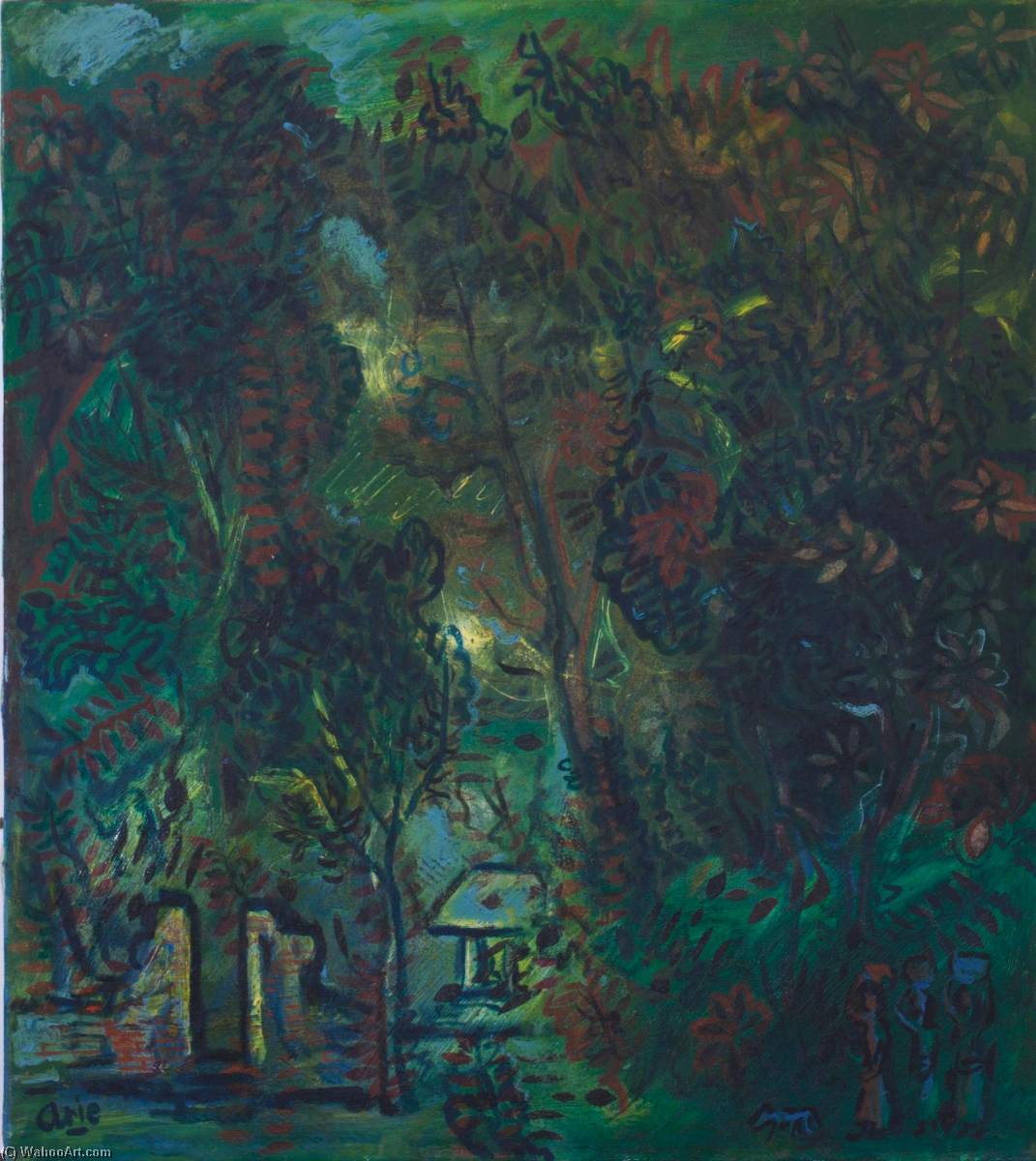
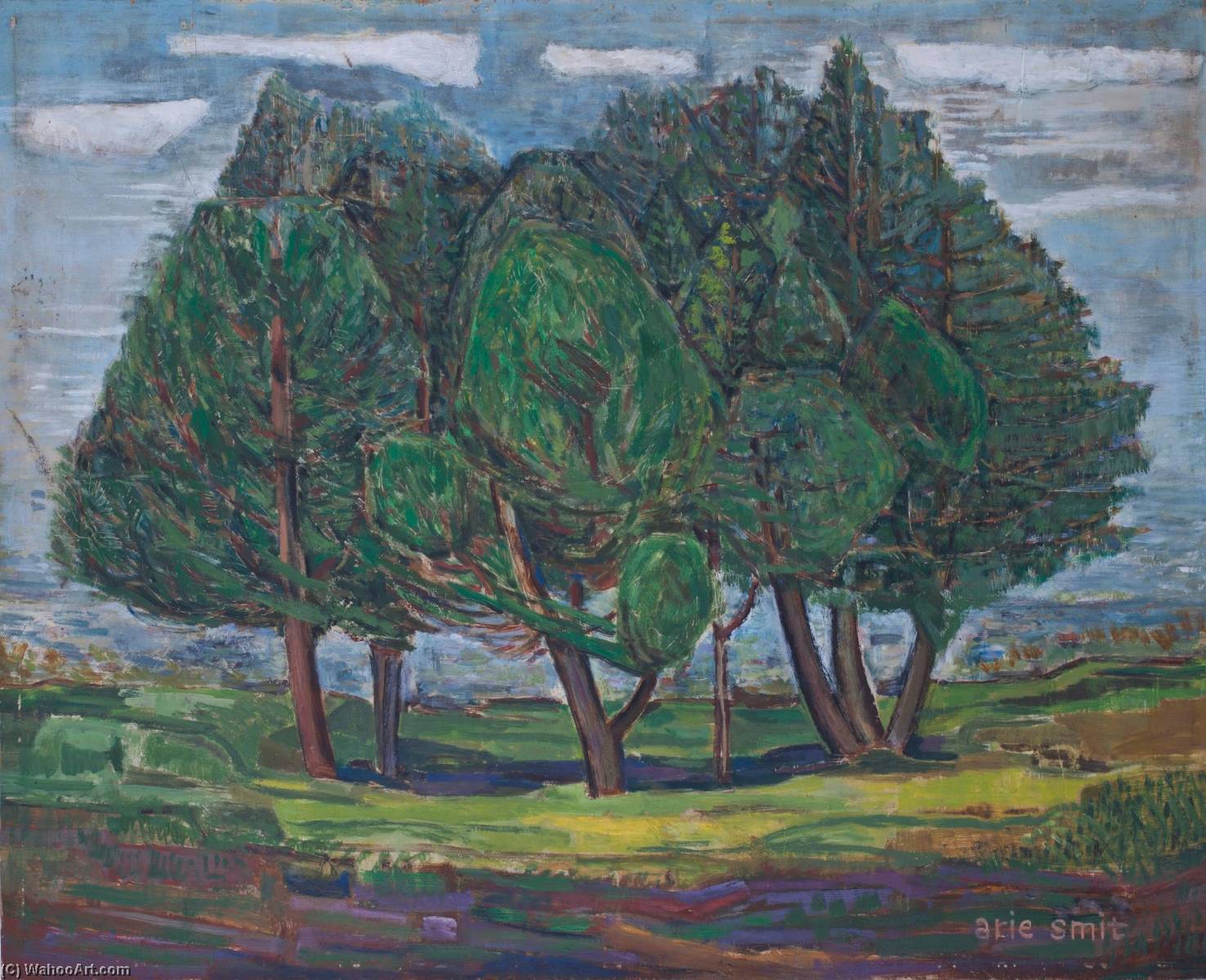
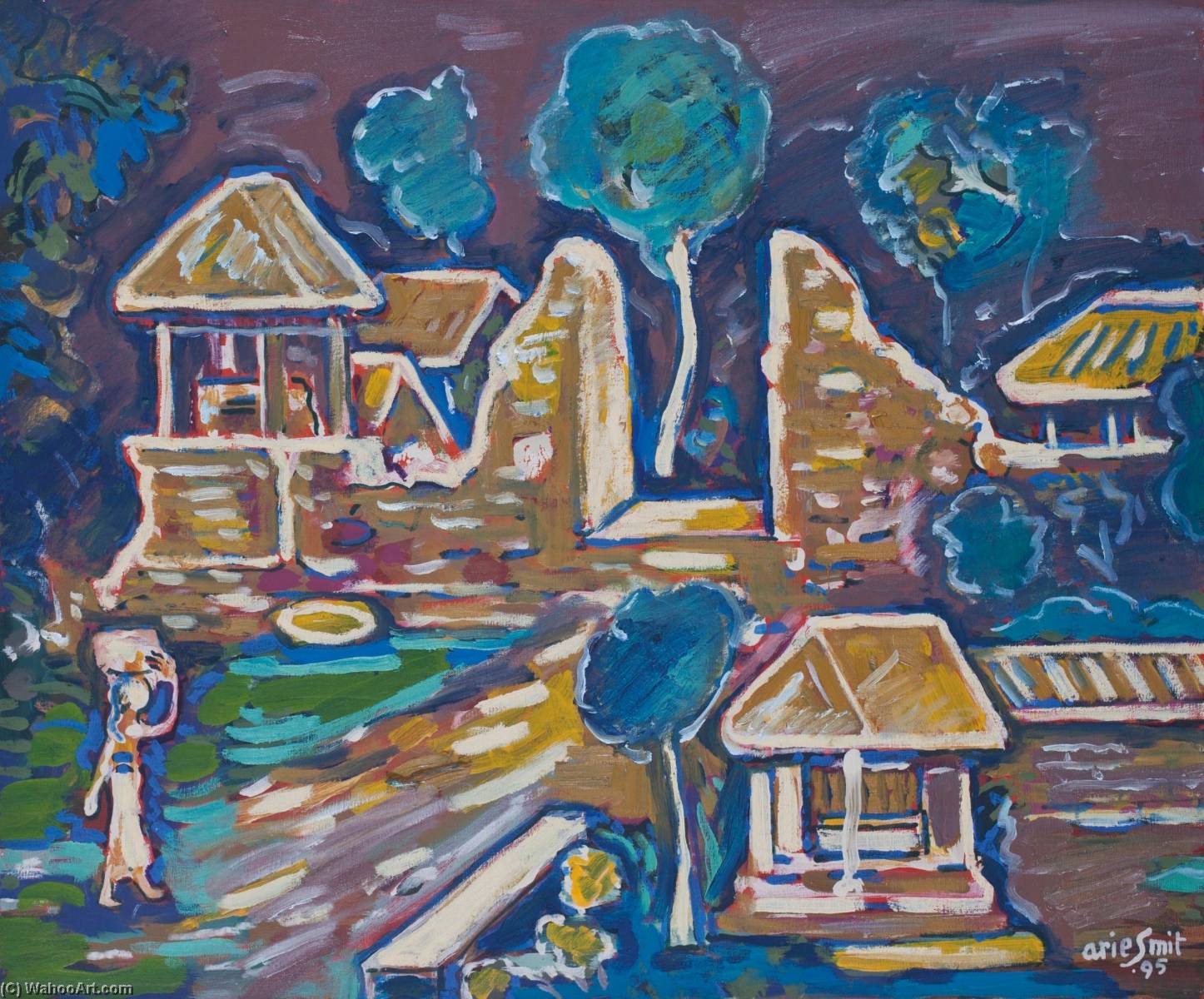
Arie Smit: Capturing Bali's Soul Through Vibrant Color
Arie Smit (1916 – 2016) was a Dutch-Indonesian painter whose prolific output spanned nearly eight decades, establishing him as one of Bali’s most celebrated landscape artists and a pivotal figure in the development of Balinese
Impressionism. Born Adrianus Wilhelmus Smit in Amsterdam, he emigrated to Indonesia in 1938, captivated by the island's lush tropical beauty and its rich
cultural heritage – influences that would profoundly shape his artistic vision. Smit’s distinctive style—characterized by bold color palettes, expressive brushstrokes, and a masterful depiction of light—became synonymous with capturing the essence of Balinese life and landscape.
- Early Life & Artistic Beginnings:
Smit’s formative years were spent honing his skills in Amsterdam’s Rijksakademie voor Kunstnijverheid, where he studied under Karel Appel and Anton Sonnenveld, absorbing the tenets of Expressionism and Gestalt painting. These influences instilled a belief in conveying emotion through form and color—a conviction that would underpin his entire artistic career.
Bali: An Inspiration Beyond Compare
Smit’s arrival in Bali marked a transformative moment, propelling him into the heart of Balinese art and culture. He quickly embraced the island's traditions—particularly Hindu rituals and ceremonies—incorporating
symbolic imagery into his canvases. The dramatic vistas of terraced rice paddies, towering volcanoes, and serene temples became recurring subjects, rendered with an unparalleled sensitivity to atmospheric conditions and tonal variations. His meticulous observation of nature combined with a daring experimentation in
color theory resulted in paintings that are both aesthetically stunning and emotionally resonant.
- Technique & Style:
Smit’s technique involved layering thin washes of pigment onto canvas, building up texture and depth through repeated applications of brushstrokes. He favored a Fauvist approach—embracing pure color hues without blending—to convey the vibrancy of Balinese landscapes. This bold stylistic choice distinguished him from many other artists working in Bali during his time and cemented his reputation as a visionary innovator.
Notable Works & Recognition
Throughout his career, Smit produced over 500 paintings, many of which are housed in museums across Indonesia and internationally. Among his most acclaimed pieces include “
Slope of the Mountain,” “
Temple” and “
Temple Idyl”—each demonstrating his mastery of color and composition. His work has been lauded for its ability to evoke a profound sense of place and emotion, capturing not only the visual splendor of Bali but also its spiritual spirit. Smit received numerous awards and honors recognizing his contribution to Indonesian
art history, solidifying his legacy as one of Bali’s foremost artistic voices.
Legacy & Influence
Arie Smit's influence extends far beyond his own lifetime. He mentored countless young artists who adopted his distinctive style—inspiring a generation to explore the expressive potential of color and texture in
landscape painting. His paintings continue to inspire admiration for their beauty and authenticity, serving as enduring reminders of Bali’s artistic heritage. Smit’s unwavering dedication to capturing the soul of Balinese landscapes ensured that his vision would resonate with audiences for decades to come—a testament to his enduring contribution to
art history.