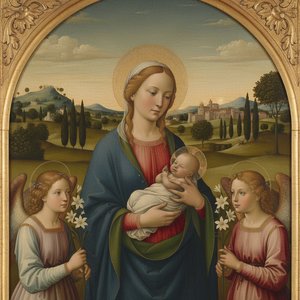
Alfonso Lombardi (1497 – 1537): A Bolognese Master of Monumental Terracotta
Alfonso Lombardi, born in Ferrara around 1497, emerged as a prominent sculptor and medallist during the High Renaissance in Italy. Though relatively obscure compared to contemporaries like Michelangelo or Raphael, Lombardi’s contribution to Bolognese art—particularly his monumental terracotta sculptures—solidifies his place as a significant figure of the era.
- Early Life & Training: Lombardi began his artistic apprenticeship in Ferrara, mastering plaster and terracotta techniques under the tutelage of Giovanni Battista Falcone. His father’s trade as Captain of the Fortress instilled in him a disciplined approach to craftsmanship that would characterize his entire career.
- Move to Bologna & Artistic Style: Around twenty years old, Lombardi relocated to Bologna, where he quickly established himself as a respected artist. Unlike many sculptors of his time who embraced realism, Lombardi drew inspiration from Raphael’s late style—evident in his preference for expansive draperies and elegant poses—creating works imbued with classical grandeur.
Major Works & Commissions
Lombardi's artistic reputation grew rapidly thanks to prestigious commissions, notably those entrusted to him by Federico II Gonzaga, Lord of Mantova, and Cardinal Ippolito de’ Medici. His most celebrated achievements include:
- “Death of the Virgin” (Santa Maria della Vita): Lombardi undertook the ambitious project of creating a monumental terracotta sculpture depicting the Lamentation of Christ for Santa Maria della Vita in Bologna—a masterpiece showcasing his mastery of expressive modeling and conveying profound emotion.
- The Tomb of Cardinal Ippolito de’ Medici: Lombardi was tasked with designing and executing the sepulchral monument for Cardinal Ippolito de’ Medici, a project that unfortunately remained unfinished due to the Cardinal's untimely death. Despite this setback, Lombardi’s preparatory models demonstrate his meticulous attention to detail and artistic vision.
- Sculptures for San Petronio Basilica: Lombardi contributed significantly to the decoration of San Petronio Basilica in Bologna with two monumental lunettes depicting the Resurrection—a testament to his skill and ambition. He also carved sculptures for the facade, including the side doors portraying Adam and Eve.
Influence & Legacy
Giorgio Vasari’s *Lives of the Most Excellent Painters, Sculptors, and Architects* recognized Lombardi as a sculptor who skillfully blended classical ideals with humanist sensibilities. His work exemplifies the Bolognese Renaissance's commitment to reviving ancient artistic traditions while retaining a sense of human dignity and emotion.
- Terracotta Sculpture: Lombardi’s preference for terracotta—a material he continued to utilize throughout his life—established him as one of Bologna’s foremost terracotta sculptors.
- Religious Art Patronage: Lombardi benefited from considerable patronage, particularly from Gonzaga and Medici families, allowing him to undertake ambitious projects that enriched Bolognese artistic heritage.
Conclusion
Although Lombardi's output was relatively modest compared to other Renaissance masters, Alfonso Lombardi’s terracotta sculptures—particularly “Death of the Virgin” and those adorning San Petronio Basilica—remain enduring symbols of Bolognese artistic excellence and exemplify the humanist spirit of the High Renaissance. His legacy continues to inspire artists today.
问答详情
我可以通过色调来浏览 Alfonso Lombardi 的作品吗?
您可以在Alfonso Lombardi的按色调浏览页面上,按色调浏览其作品。
Alfonso Lombardi 的创作时期属于哪个历史阶段?
Alfonso Lombardi 的创作活跃于 Renaissance 时期,这一时期确立了艺术家在艺术史上的地位。
在哪里可以按技法分类浏览 Alfonso Lombardi 的作品?
所有媒介 页面按媒介分类展示了 Alfonso Lombardi 的作品。
目前目录中共有多少件 Alfonso Lombardi 的作品可供浏览?
您可以在 全部作品 页面浏览由 Alfonso Lombardi 创作的 1 件作品 件作品。