

 效果预览
效果预览
 购买手绘画作
 分享
分享 分享
分享
 详情
详情

 下载
下载
 相似作品
相似作品 X射线
X射线 幻灯片播放
幻灯片播放Nude


 展开详情
展开详情




































从与原作比例一致的预设尺寸中进行选择。

您可以输入自定义尺寸,以适配特定的画框或空间。如果您选择的尺寸与原图比例不符,我们将对作品进行裁剪,或通过镜像填充/纯色填充边缘的方式来扩展图像。在开始制作之前,我们会向您发送一份数字效果图供您确认。
请注意,屏幕上的预览并不能反映实际的裁剪或扩展效果。只有效果图才能准确展示最终的构图。
虽然我们提供定制尺寸,但为了保持原图比例,我们建议您从预设列表中选择尺寸。


 玻璃选项仅适用于110厘米以下的尺寸。

Nude
艺术微喷/版画
复制品尺寸
-


最终总价
$ 80
A Moment of Quiet Contemplation: Zinaida Serebriakova's "Nude"
This evocative pastel drawing by Zinaida Serebriakova captures a moment of serene intimacy. Depicting a nude female figure reclining on what appears to be a bed or couch, the artwork exudes an atmosphere of quiet contemplation and relaxed beauty. Created around 1930, this piece exemplifies Serebriakova’s mastery of capturing the human form with both realism and a touch of impressionistic softness. The composition centers entirely on the woman, her limbs gracefully extended, inviting the viewer into her private world.Style and Technique: A Blend of Realism and Impressionism
Serebriakova’s style is characterized by its unique blend of classical realism and impressionistic techniques. While the figure's anatomy is rendered with precision, the loose and expressive use of lines lends a dreamlike quality to the scene. The technique involves building up color through multiple layers of pastel, creating a rich and textured surface that mimics the play of light on skin and fabric. Notice how the artist skillfully uses variations in tone and layered pastel marks to suggest depth and form, despite the shallow perspective. This approach emphasizes texture – particularly in the rendering of skin and drapery – contributing to the artwork’s overall impressionistic feel. The soft, diffused lighting further enhances this effect, creating subtle shadows that define the figure's curves and contours.Historical Context: A Glimpse into Interwar Europe
Created in 1930, this pastel drawing reflects a period of significant social and artistic change in Europe. The interwar years were marked by a shift away from traditional academic styles towards more expressive forms of art. Serebriakova, having spent considerable time both in Russia and Paris, was deeply influenced by these developments. Her work often explored themes of femininity, beauty, and the human condition with a modern sensibility. Having experienced the upheaval of the Russian Revolution and exile, her later works, including this piece, often convey a sense of quiet resilience and introspection, reflecting the mood of a world recovering from conflict.Symbolism and Emotional Impact
While subtle, symbolic elements are present within the artwork. The nude figure itself carries connotations of vulnerability, beauty, and perhaps introspection. Her serene expression and relaxed posture evoke feelings of peace and tranquility. The absence of any distracting background further emphasizes the woman's presence and invites viewers to focus on her inner state. Ultimately, Serebriakova’s "Nude" is not merely a depiction of the human form; it is an exploration of emotion, beauty, and the quiet moments that define our lives. The artwork resonates with a timeless quality, inviting contemplation and offering a glimpse into the artist's profound understanding of the human spirit.艺术家简介
Zinaida Serebriakova: A Life Etched in Light
Zinaida Yevgenyva Serebriakova, a name resonating with the quiet power of early 20th-century Russian art, emerged from a lineage steeped in creative brilliance. Born in 1884 at Neskuchnoye, her family estate near Kharkov in Ukraine, she was destined to inhabit a world where artistry wasn’t merely a profession but a way of life. Her grandfather, the celebrated architect Nicholas Benois, and uncle, the renowned painter Alexandre Benois – a founding figure of *Mir iskusstva* (The World of Art) – laid the foundation for her artistic awakening. This familial embrace of beauty and innovation profoundly shaped young Zinaida’s sensibilities, nurturing an eye for detail and a deep appreciation for form that would define her oeuvre. The loss of her father at a tender age propelled her into the heart of Saint Petersburg's vibrant artistic community, residing with the Benois family and absorbing the atmosphere of creativity surrounding them.Formative Years and Artistic Pilgrimage
Serebriakova’s formal education was rigorous and multifaceted. She began her studies in 1901 at the art school established by Princess Maria Tenisheva, a pivotal patron of the arts, where she first encountered the tutelage of Ilya Repin, a master of Russian realism. This early exposure to Repin's techniques – his masterful handling of light and shadow, his commitment to portraying life with unflinching honesty – left an indelible mark on her artistic approach. Further honing her skills between 1903 and 1905 under Osip Braz, she delved deeper into portraiture and the nuances of capturing human emotion. A sojourn in Italy from 1902-1903 broadened her horizons, introducing her to the classical traditions that would subtly inform her work. This artistic pilgrimage culminated with studies at the Académie de la Grande Chaumière in Paris (1905-1906), where she absorbed the influences of modern European painting while forging her own unique path. It was during this period that she married Boris Serebriakov, a union that would provide both personal and artistic support for years to come.A Synthesis of Realism and Intimacy
Serebriakova’s style is characterized by a remarkable synthesis of realism, intimacy, and a profound sensitivity to light and form. While often associated with *Mir iskusstva*, she distinguished herself through her focus on everyday life – the lives of women, children, and rural communities – rendered with an honesty and tenderness that resonated deeply with audiences. Her paintings aren’t grand historical narratives or mythological allegories; they are quiet observations of domesticity, motherhood, and the beauty found in simple moments. She possessed a unique ability to imbue her subjects with dignity and grace, even within the context of labor or hardship. *At the Dressing Table* (1909), perhaps her most iconic work, exemplifies this quality – a strikingly honest self-portrait that established her reputation and garnered significant public acclaim. This painting, born from a period of isolation during a snowstorm, showcases her mastery of light and shadow, creating an atmosphere of quiet contemplation. Other notable works like *Bleaching Cloth* (1917) demonstrate her ability to capture the physicality of labor with both realism and empathy.Influences and Artistic Kinship
- Russian Realism: Serebriakova’s foundation was firmly rooted in the Russian realist tradition, inheriting a dedication to accurate representation and social commentary from masters like Ilya Repin and Osip Braz.
- Mir Iskusstva: While not strictly adhering to all tenets of the *Mir iskusstva* movement, she shared their aesthetic sensibilities – an emphasis on beauty, refinement, and a rejection of purely utilitarian art.
- Anna Ostroumova-Lebedeva: A contemporary who also focused on portraying women and domestic scenes, Ostroumova-Lebedeva shares stylistic affinities with Serebriakova in her sensitive depiction of female subjects.
- Intimism: Her work resonates with the principles of Intimism, a style characterized by intimate portrayals of domestic life and quiet moments of reflection. This is evident in paintings like *At the Dressing Table* and numerous depictions of motherhood.
Major Achievements and Historical Significance
Zinaida Serebriakova’s oeuvre stands as a testament to the enduring power of artistic expression amidst turbulent times. Her unflinching portrayal of Russian rural life during the First World War and subsequent upheavals offers invaluable insights into the social realities of her era—a world grappling with revolution, war, and profound societal transformation. Despite facing personal hardships following her husband’s untimely death, she persevered in her artistic pursuits, adapting her techniques to the constraints imposed by circumstance while maintaining an unwavering commitment to capturing the essence of human experience. Her legacy extends beyond individual artworks; it resides in her contribution to the broader movement of Intimism and her embodiment of a humanist aesthetic—a celebration of beauty, dignity, and compassion that continues to resonate with audiences today. Serebriakova’s paintings serve as poignant reminders of a bygone era, prompting reflection on themes of family, labor, and the quiet grandeur of everyday life—themes that transcend temporal boundaries and speak to universal human values.
谢尼阿达·塞布里阿科娃
1884 - 1967 , 乌克兰
艺术家简介
- Artistic Movement Or Style: 現實主義、內斂藝術
- Artists Or Movements Influenced By This Artist: ['安娜·奧斯特羅烏莫娃-列貝德葉瓦']
- Artists Who Influenced This Artist:
- 伊麗亞·雷賓
- 奧西普·布拉茨
- Date Of Birth: 1884年12月10日
- Date Of Death: 1967年
- Full Name: Zinaida Yevgenyva Serebriakova
- Nationality: 俄羅斯/法國
- Notable Artworks:
- 國女畫作
- 田園花卉圖
- Place Of Birth: 烏克蘭哈爾科夫市
相关文章

Russian Realism: The Soulful Power of Truth and the Unyielding Spirit of the Peredvizhniki
Explore the profound depth of Russian Realism. From the social truths of the Peredvizhniki to epic folklore, discover the soulful power of masters like Perov and Yaroshenko through our expert art history insights and museum-quality reproductions.
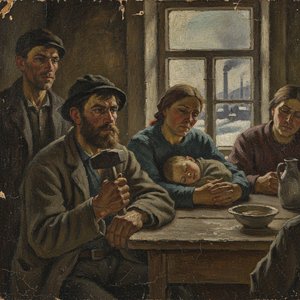
Beyond the Surface: The Raw Power and Grit of Russian Realism
Explore the raw power of Russian Realism. From the rebellious Peredvizhniki to Surikov’s epic histories, discover how this visceral movement captures truth through texture and grit. Perfect for history lovers seeking museum-quality, hand-painted masterpieces for modern interiors.

Discover Russian Realism: Soulful Masterpieces and the Timeless Spirit of the Peredvizhniki for Your Modern Home
Elevate your home with the soulful beauty of Russian Realism. Discover exquisite hand-painted reproductions of Peredvizhniki masterpieces, from lyrical landscapes to profound portraits, curated to bring historical depth and timeless elegance to your modern interior design.

The Enduring Allure of the Nude: A Historical & Artistic Exploration of the Human Form
Explore the captivating history of nude art! Discover iconic paintings & artists from classical to modern eras. Uncover symbolism, techniques & find museum-quality reproductions at OriginalUniqueArt.
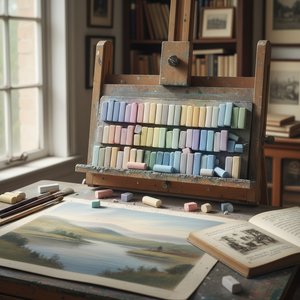
柔光与细腻:粉彩艺术的技法、历史与情感共鸣
探索粉彩艺术的迷人世界!深入了解其历史、技法与情感共鸣。从文艺复兴到当代,精通粉彩绘画技巧,感受色彩的细腻魅力。OriginalUniqueArt提供专业艺术咨询与定制服务。

