

 效果预览
效果预览
 购买手绘画作
 分享
分享 分享
分享
 详情
详情

 下载
下载
 相似作品
相似作品 X射线
X射线 幻灯片播放
幻灯片播放CALLIGRAPHY IN RUNNING SCRIPT
 Chinese Calligraphy
 23.0 x 16.0 cm
 展开详情
展开详情




P118B $10

P118H $10

P118W $10

P438Z $10

P508JH $12

P508YH $12

P805H $10

P805Z $10

P919BZ $10

P919G $10

P919XJ $10

P959ZH $10

P968JZ $12

W106C $8

W218G $10

W218JH $8

W218Y $10

W307PJ $10

W316G $10

W316PJ $8

W316Y $10

W398PJ $8

W4111J $10

W500HY $15

W500JH $15

W692G $12

W849H $8

W940BG $15

W953PJ $8




从与原作比例一致的预设尺寸中进行选择。

您可以输入自定义尺寸,以适配特定的画框或空间。如果您选择的尺寸与原图比例不符,我们将对作品进行裁剪,或通过镜像填充/纯色填充边缘的方式来扩展图像。在开始制作之前,我们会向您发送一份数字效果图供您确认。
请注意,屏幕上的预览并不能反映实际的裁剪或扩展效果。只有效果图才能准确展示最终的构图。
虽然我们提供定制尺寸,但为了保持原图比例,我们建议您从预设列表中选择尺寸。


 玻璃选项仅适用于110厘米以下的尺寸。

CALLIGRAPHY IN RUNNING SCRIPT
艺术微喷/版画
复制品尺寸
-


最终总价
$ 80
艺术家简介
A Life Etched in Brushstrokes: The World of Zha Shibiao
Zha Shibiao (also known as Cha Shih-Piao, born 1615 and died 1698) was a pivotal figure bridging the late Ming and early Qing dynasties in China. While not as widely celebrated in the West as some of his contemporaries, Zha Shibiao’s contribution to landscape painting – particularly his innovative use of ink washes and dramatic compositions – marks him as a significant artist whose work reflects a period of immense social and political upheaval. Born into a scholarly family during a time of declining imperial power, Zha Shibiao initially pursued a career in officialdom, passing the provincial examinations. However, the fall of the Ming dynasty in 1644 profoundly altered his path. He ultimately rejected further attempts to enter government service, choosing instead to dedicate himself fully to the art of painting, finding solace and expression within its traditions. This decision was not merely a personal one; it represented a broader retreat by many intellectuals from public life into the realm of artistic contemplation during a period of instability.The Evolution of a Style: From Tradition to Innovation
Zha Shibiao’s early works demonstrate a strong grounding in the traditions of the Wu School, known for its lyrical landscapes and emphasis on atmospheric effects. He meticulously studied the masters who came before him – figures like Shen Zhou and Wen Zhengming – absorbing their techniques and compositional principles. However, Zha Shibiao was not content with mere imitation. As his career progressed, he began to develop a distinctly personal style characterized by bold brushwork, heightened contrast, and a dramatic use of space. He moved away from the softer, more idealized landscapes of the Wu School towards a more rugged and imposing aesthetic. This shift can be seen as a reflection of the turbulent times in which he lived; his mountains became steeper, his trees more gnarled, and his overall compositions imbued with a sense of power and resilience. His mastery lay in his ability to convey both the grandeur of nature and the emotional weight of human experience. He frequently incorporated figures into his landscapes – often scholars or hermits – who served as symbolic representations of his own philosophical leanings, seeking refuge from the chaos of the world.Ink and Emotion: The Technical Prowess of Zha Shibiao
Zha Shibiao’s technical skill was exceptional. He possessed an extraordinary command of ink washes, utilizing a wide range of tones and textures to create depth and atmosphere in his paintings. His use of dry brushwork – leaving areas of white paper untouched – added a sense of starkness and immediacy to his compositions. He wasn't simply depicting landscapes; he was evoking them. He experimented with different ink consistencies, creating effects that ranged from delicate mistiness to powerful, almost sculptural forms. His paintings often feature towering peaks shrouded in clouds, cascading waterfalls, and dense forests – all rendered with a remarkable degree of precision and expressiveness. Beyond ink washes, Zha Shibiao was also adept at using color sparingly but effectively, adding subtle accents to his landscapes that enhanced their overall impact. He favored muted tones, creating a sense of harmony and balance within his compositions.Themes and Symbolism: A Scholar’s Retreat
The recurring themes in Zha Shibiao's work offer insight into his worldview. Landscapes were not merely aesthetic exercises for him; they served as vehicles for expressing philosophical ideas about nature, humanity, and the search for inner peace. The mountains often symbolize strength, stability, and longevity, while forests represent seclusion and contemplation.- The inclusion of scholars or hermits in his landscapes is particularly significant.
- These figures embody the Confucian ideal of withdrawing from public life to pursue self-cultivation.
- They are often depicted reading, writing poetry, or simply enjoying the beauty of nature – all activities that reflect a rejection of worldly ambition and a focus on spiritual enlightenment.
Legacy and Historical Significance
While Zha Shibiao may not enjoy the same level of international recognition as some other Chinese painters, his contribution to the development of landscape painting is undeniable. He successfully synthesized traditional techniques with a more personal and expressive style, paving the way for future generations of artists. His work reflects the profound social and political changes that occurred during the transition from the Ming to the Qing dynasty, offering valuable insights into the intellectual and emotional climate of the period. He stands as a testament to the enduring power of art to provide solace, meaning, and a sense of continuity in times of upheaval. His paintings continue to be admired for their technical brilliance, dramatic compositions, and profound philosophical depth, securing his place as an important figure in the history of Chinese art.
zha shibiao
1615 - 1698
艺术家简介
- Artistic Movement Or Style: Anhui School
- Artists Or Movements Influenced By This Artist:
- Hong Ren
- Ni Zan
- Artists Who Influenced This Artist:
- Dong Qichang
- Mi Fu
- Date Of Death: 1698
- Full Name: Zha Shibiao
- Nationality: Chinese
- Notable Artworks: ['Landscape Album in Various Styles: Pleasure in a Mountain Brook']
- Place Of Birth: Xiuning, Anhui Province
相关文章
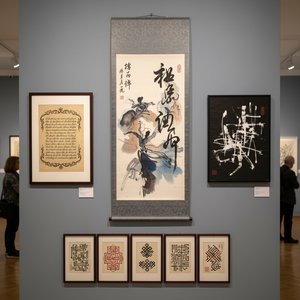
The Elegance of Line: Discovering the Timeless Beauty of Calligraphy Artworks
Explore the profound beauty of calligraphy art. From the fluid running script of Chinese masters to historical ink masterpieces, discover how the elegance of line transforms spaces with timeless grace and scholarly sophistication.
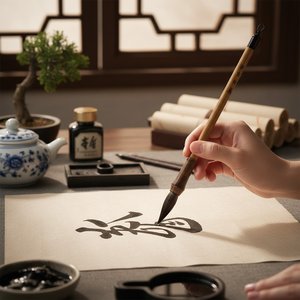
The Timeless Beauty of Chinese Calligraphy: An Exploration of Ink, Spirit, and the Art of the Brush
Embark on a profound journey through the soul of Chinese calligraphy. Explore the historical mastery of ink, brush, and script, from ancient Zhuanshu to elegant running script, and discover how this timeless art form reflects the enduring spirit of classical East Asian aesthetics.

高檔藝術品複製技術:Giclée微噴的檔案品質與鑑賞細節
深入了解Giclée微噴技術:檔案品質、色彩還原的專業解析。探索高檔藝術品複製的細節與保存技巧,為您的收藏提供博物館級別的選擇。專家指導,確保完美呈現原作神韻。

The Enduring Legacy of Fine Art Prints: Technique, History & Aesthetic Impact
Explore the rich history & techniques of fine art prints. Discover investment potential, assess authenticity, and learn how to preserve your collection with expert guidance. Trusted insights for discerning collectors.

Echoes of Time: Exploring the Enduring Appeal & Historical Context of Vintage Art Prints
Explore the captivating world of vintage art prints! Discover their history, collecting tips & enduring appeal. Expert insights on chromolithography and building a legacy collection with OriginalUniqueArt.

