

 效果预览
效果预览
 分享
分享 分享
分享
 详情
详情

 下载
下载
 相似作品
相似作品 X射线
X射线 幻灯片播放
幻灯片播放 统计数据
统计数据Pala Priuli
 Oil On Panel
 1510
1510- Renaissance
 1758.0 x 1319.0 cm
 Kunstpalast
 展开详情
展开详情
手工油画复制品
由我们的艺术家按需定制,为您提供您所选尺寸及画框的布面手工油画。 ( 切换至版画销售渠道 切换至数字图像销售渠道)




P118B $10

P118H $10

P118W $10

P438Z $10

P508JH $12

P508YH $12

P805H $10

P805Z $10

P919BZ $10

P919G $10

P919XJ $10

P959ZH $10

P968JZ $12

W106C $8

W218G $10

W218JH $8

W218Y $10

W307PJ $10

W316G $10

W316PJ $8

W316Y $10

W398PJ $8

W4111J $10

W500HY $15

W500JH $15

W692G $12

W849H $8

W940BG $15

W953PJ $8




从与原作比例一致的预设尺寸中进行选择。

您可以输入自定义尺寸,以适配特定的画框或空间。如果所选尺寸与原图比例不符,我们将通过裁剪作品或添加手绘元素来扩展画面。数字样稿将在制作开始前发送给您确认。
请注意,屏幕预览无法准确反映实际的裁剪或扩展效果,只有样稿才能真实呈现最终的构图。
虽然我们提供定制尺寸服务,但为了保留原作比例,建议您从预设列表中选择尺寸。
下单后,OriginalUniqueArt.com 团队将通过电子邮件联系客户获取具体要求,并提供效果预览图。


 玻璃选项仅适用于110厘米以下的尺寸。

Pala Priuli
复制材质
复制品尺寸
-


最终总价
$ 300
艺术家简介
The Enigmatic Workshop of Giovanni Bellini: A Legacy of Venetian Painting
The name “Workshop of Giovanni Bellini” represents more than a single hand; it embodies a thriving artistic lineage that profoundly shaped the course of Venetian painting during the Renaissance. While Giovanni Bellini himself stands as a towering figure – a master innovator and one of the earliest painters to fully embrace oil paint – understanding his workshop is crucial to appreciating the breadth and depth of 15th-century art in Venice. The workshop wasn’t merely a place for executing commissions; it was a dynamic environment where artistic styles evolved, techniques were refined, and a generation of artists received their formative training. Pinpointing exact authorship within the workshop can be challenging, as assistants often collaborated on projects, contributing elements while working under Bellini's overarching direction. This collaborative spirit resulted in a body of work characterized by both consistent quality and subtle variations that reflect the individual talents nurtured within its walls. The workshop flourished for decades, continuing to produce paintings even after Giovanni’s death in 1516, carrying forward his distinctive aesthetic and cementing his influence on Venetian art for generations to come.Early Influences and Artistic Development
Giovanni Bellini inherited a rich artistic tradition from his father, Jacopo Bellini, and his elder brother Gentile. Jacopo, a respected painter in his own right, instilled in his sons a foundation of meticulous draftsmanship and an appreciation for the International Gothic style prevalent at the time. However, Giovanni quickly surpassed his family’s earlier work, demonstrating a keen interest in the innovations emerging from Florence – particularly the pioneering use of perspective by artists like Masaccio and Donatello. His early paintings reveal a gradual absorption of these Florentine principles, blended with the distinctly Venetian emphasis on rich color and atmospheric effects. The influence of Andrea Mantegna, whom Giovanni met during his visit to Padua in the 1450s, was particularly significant. Mantegna’s mastery of classical antiquity and dramatic foreshortening left a lasting impression on Bellini's compositions and figure studies. Over time, Bellini moved away from the linear precision of his early work, embracing a softer modeling of forms and a more lyrical approach to narrative. This shift coincided with his increasing experimentation with oil paint, which allowed for greater subtlety in color blending and a remarkable luminosity that became a hallmark of his style.The Workshop’s Production: Themes and Techniques
The Workshop of Giovanni Bellini produced an extensive range of paintings, catering to the diverse tastes of Venetian patrons. Religious subjects – Madonnas, altarpieces, and scenes from the lives of saints – formed the core of their output. However, they also created numerous secular works, including portraits, mythological scenes, and decorative panels for domestic interiors. Bellini’s workshop was renowned for its exquisite depictions of fabrics, reflecting Venice's status as a major center of textile production. The use of oil paint allowed the artists to render the textures and folds of drapery with unprecedented realism, creating a sense of opulent materiality. Beyond technical skill, the workshop excelled at conveying emotional depth in their figures. Bellini’s Madonnas, for example, are characterized by a gentle grace and serene beauty that resonated deeply with contemporary audiences. The compositions often feature carefully balanced arrangements of figures and objects, creating harmonious and visually compelling scenes. The workshop also developed a distinctive style of landscape painting, incorporating atmospheric perspective and subtle gradations of color to create evocative backgrounds that enhanced the narrative impact of their works.Legacy and Historical Significance
The Workshop of Giovanni Bellini’s influence extended far beyond Venice. Artists who passed through its doors – including Giorgione, Titian, and Sebastiano del Piombo – went on to become leading figures of the High Renaissance and Venetian School. Titian, arguably the most famous painter of the Venetian Renaissance, began his artistic career as an apprentice in Bellini’s workshop, absorbing its techniques and aesthetic principles before developing his own distinctive style. The workshop's emphasis on color, atmosphere, and emotional expression profoundly shaped the course of Italian painting, paving the way for the dramatic compositions and sensuous forms that characterize Venetian art. Even after Giovanni Bellini’s death, the workshop continued to operate under the direction of his sons and other assistants, producing paintings in his style for decades. This continuity ensured that his legacy endured, influencing generations of artists and solidifying Venice's reputation as a major center of artistic innovation. The works attributed to the Workshop of Giovanni Bellini remain highly prized today, offering valuable insights into the evolution of Renaissance painting and the collaborative nature of artistic production in 15th-century Italy.Identifying Works & Ongoing Research
Attributing specific paintings definitively to Giovanni Bellini versus his workshop assistants remains a complex challenge for art historians. Stylistic analysis, technical examination (including pigment analysis and underdrawing studies), and archival research are all employed in an attempt to unravel the authorship of individual works.- Paintings executed with exceptional precision and subtlety of color blending are often attributed directly to Giovanni Bellini.
- Works exhibiting a more linear style or less refined execution may be identified as products of his workshop, created by assistants under his supervision.
- The presence of specific compositional motifs or figure types can also provide clues about authorship.

艺术家简介
- Artistic Movement Or Style: Early Renaissance painting
- Artists Who Influenced This Artist:
- Gentile Fabriano
- Andrea Mantegna
- Date Of Death: Living
- Full Name: Workshop Of Giovanni Bellini
- Nationality: Italian
- Notable Artworks:
- San Zaccaria Altarpiece
- Madonna and Child
- Doge Leonardo Loredan
相关文章
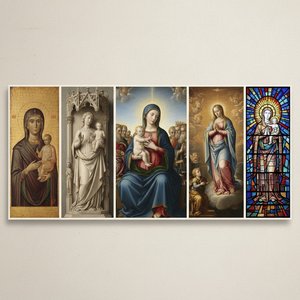
Divine Grace: A Journey Through the Most Iconic Depictions of the Virgin Mary in Art History
Embark on a profound journey through art history with our exploration of the most iconic depictions of the Virgin Mary. Discover the divine grace, symbolism, and masterful techniques found in Renaissance masterpieces and sacred iconography.
拉斐尔大师25幅杰作:艺术、历史与家居装饰灵感 | OriginalUniqueArt
探索拉斐尔大师的25幅杰作!深入了解文艺复兴艺术、意大利绘画和经典油画背后的故事。OriginalUniqueArt.com提供博物馆品质的拉斐尔作品复制品,为您的家居装饰带来永恒之美。立即在线探索完整系列。

丁托列托25幅杰作:威尼斯光影大师的艺术传奇 | OriginalUniqueArt
探索丁托列托25幅杰作:深入了解这位威尼斯光影大师的艺术传奇!从宗教绘画到神话故事,感受文艺复兴与巴洛克风格的完美融合。OriginalUniqueArt.com提供高清艺术复制品和家居装饰灵感,点亮您的生活空间。立即探索完整系列!
佛罗伦萨乌菲兹美术馆25幅杰作:文艺复兴艺术的巅峰之选
探索佛罗伦萨乌菲兹美术馆的25幅杰作!深入了解达芬奇、米开朗基罗等大师的作品背后的故事,感受文艺复兴艺术的辉煌。精美油画复制品,为您的家居增添经典之美。立即在OriginalUniqueArt.com发现更多艺术灵感。
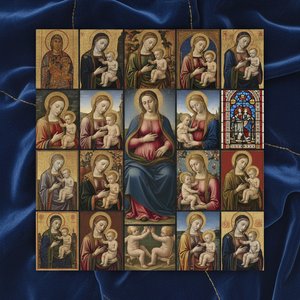
Divine Love: A Curated Guide to the Most Iconic Madonna and Child Masterpieces in Art History
Embark on a sophisticated journey through art history with our curated guide to the most iconic Madonna and Child masterpieces. Discover the profound beauty, theological depth, and enduring legacy of these sacred Renaissance treasures.