
 实景预览
实景预览
 切换至版画销售渠道
 分享
分享 分享
分享
 详情
详情 指南
指南

 下载作品
下载作品
 相似作品
相似作品 X射线
X射线 幻灯片播放
幻灯片播放 问答
问答 统计数据
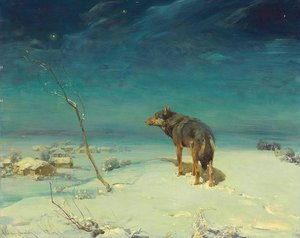
统计数据以利亚圣椅

- 90.0 x 91.0 cm


 展开全文
展开全文
获取远超网页预览效果的印刷级文件。我们销售的每一张数字图像均源自库存数据库中的高分辨率母版——宽度通常在 5,000 至 15,000 像素之间——因此您可以放心地进行大幅打印、局部裁剪或还原细腻的细节。
每一件作品在离开我们的工作室前都经过了精心的处理。数字影像专家会对照原作核对色彩,并在必要时进行校正,随后利用专业修图工具提升清晰度与细节表现——且始终忠实于艺术家的笔触与风格。最终呈现的图像宛如原作本身,而非仅仅是一张加了滤镜的扫描件。
您可以在最终定稿前进行审核:我们的专家将在 72 小时内通过电子邮件向您发送图像以供审阅。如果不满意?您可以要求改进或修正;若质量未达预期,亦可申请退款。
这也是出版商、设计工作室、画廊及印刷厂所信赖的品质。
每份数字图像订单均包含的内容
专业级数字交付,品质保障
选择 OriginalUniqueArt.com,您获得的不仅仅是一张图像——您收到的是经过专业级增强、精雕细琢的数字艺术作品,并享有满意保证。以下是您的订单中自动包含的所有内容:

邮件即时送达
您的高分辨率数字图像文件将在下单后 72 小时内通过电子邮件发送给您 —— 即可立即使用。

AI 增强型数字文件
您的艺术品经过专业优化,结合先进的 AI 技术与人工修饰,确保呈现极致的细节、清晰度与色彩准确度。

终身免费重发服务
不小心删除了文件或找不到了?没关系——我们将随时为您免费重发。

无需进口税费,始终如一
即刻拥有您的艺术作品,无需支付任何关税、税费或运费——数字下载始终免税。

色彩精准保障
我们通过专业工具与色彩管理技术,确保您的数字图像尽可能真实地还原原作色彩。

100天满意保证
如果您对所购数字图像不满意,我们将在100天内为您进行修改或提供100%的全额退款——无需任何理由。

100% 退款保证
不满意?在收到数字文件后的100天内,您可以申请全额退款——无需任何理由。

批量订购优惠
购买 3 张享 10% 折扣 - 购买 5 张享 15% 折扣 - 购买 10 张以上享 20% 折扣。非常适合创意项目、画廊及机构使用。
《埃利贾》——沃夫·拉维茨基作品赏析
《埃利贾》(Elijah)是以色列画家沃夫·拉维茨基(Wolf Rawicki,也译为泽尔·拉班)创作于1916年的代表作之一。 这幅作品出自贝扎莱尔艺术学院风格,展现了犹太传统与国家复兴的精神象征,并以其精湛的工艺和丰富的视觉语言深深打动人心。 作品尺寸为90厘米×91厘米,现藏于以色列博物馆。 贝扎莱尔艺术学院成立于耶路撒冷,旨在通过运用圣经主题和犹太历史元素创造一种具有民族精神的艺术语言。 当时的新一代犹太人将自己与圣经时代的历史联系起来,认为这不仅是宗教传统,也是国家未来的基础。 这幅画作正是这种思想的艺术体现,它以其宏伟的设计和对圣经故事的细致描绘,成为了贝扎莱尔学院风格的巅峰之作。 《埃利贾》采用精美的刺绣技法创作而成,这不仅是一种传统工艺,更象征着犹太人的虔诚与信仰。 画面的色彩运用了温暖的大地色调——棕褐色和米白色为主,为作品营造出一种庄严而宁静的氛围。 在画作的装饰中,艺术家巧妙地融入了十二支圣经部落的象征以及古典贝扎莱尔风格的天使形象,这些元素共同构成了对犹太历史与文化的深刻致敬。 画面的构图力求平衡和谐,通过对圣经故事的叙事和视觉表达,将观众带入一个充满宗教意义的世界。 画作中的圣经场景并非简单的复制,而是经过艺术家精心设计和创作,旨在传递一种积极的精神力量。 这幅作品不仅是对历史的纪念,更是对未来希望的象征。 画家运用了娴熟的技巧,将圣经故事转化为视觉艺术语言,为观者带来了一份美学的享受与精神上的启迪。 作品的细节处理非常出色,展现了刺绣工艺的精湛水平和艺术家对作品的无限热情。 这幅画作无疑是贝扎莱尔艺术学院风格的杰出代表,也是沃夫·拉维茨基艺术生涯中最辉煌的作品之一。- 画家:沃夫·拉维茨基(泽尔·拉班)
- 作品创作年份:1916年
- 画作风格:贝扎莱尔艺术学院风格
- 画作材质:刺绣
- 画作尺寸:90厘米×91厘米
常见问题与解答
Wolf Rawicki (Ravitzki) 的《以利亚圣椅》 原作的技法和尺寸是多少?
《以利亚圣椅》采用布面丙烯创作,原件尺寸为90 x 91 cm。
我能查看Wolf Rawicki (Ravitzki) 的《以利亚圣椅》的X光影像吗?
Wolf Rawicki (Ravitzki) 的《以利亚圣椅》 的 X射线透视 页面是一个交互式查看器,您可以逐层滑动浏览作品图像的十一层光学图层,其中还包含 X 光风格的视图。
Wolf Rawicki (Ravitzki) 的《以利亚圣椅》 的创作年份是哪一年?
Wolf Rawicki (Ravitzki) 的《以利亚圣椅》创作于1916年。
艺术家简介
The Pioneering Vision of Ze’ev Raban: From Rawicki to the Soul of Israeli Art
Ze’ev Raban, born Wolf Rawicki in Kaunas, Russia, in 1890, stands as a monumental figure in the genesis of Israeli art. His journey wasn't merely that of an artist finding his voice; it was the forging of a new aesthetic identity for a nation yearning to express itself. Rawicki’s early life, steeped in the cultural currents of Eastern Europe, laid the foundation for a career dedicated to synthesizing tradition and modernity, culminating in works that became iconic symbols of a burgeoning national consciousness. He wasn't simply *a* painter; he was an architect of visual culture, deeply involved in shaping the artistic landscape of the nascent State of Israel.
Early Formation & The Bezalel School
Rawicki’s formal training took him across Europe – Munich, Paris, and Brussels – exposing him to the prevailing styles of the early 20th century. He absorbed the lessons of Jugendstil, Symbolism, and Art Nouveau, but these influences were never adopted wholesale. A crucial turning point came with his arrival at Bezalel Academy in Jerusalem in 1906. Bezalel, founded by Boris Schatz, was more than an art school; it was a crucible for creating a distinctly “Hebrew style.” This wasn’t about replicating historical forms but rather excavating the spirit of Jewish culture and translating it into contemporary artistic expression. Raban quickly became a central figure in this endeavor, embracing the challenge of defining what that aesthetic might look like.
A Synthesis of Tradition & Modernity
Raban's work is characterized by a remarkable ability to blend diverse influences. He sought inspiration not only from European art movements but also from traditional Jewish crafts, Islamic motifs, and the archaeological discoveries unfolding in Palestine. This fusion manifested in his decorative arts – silver Hanukkah lamps, ceremonial objects, furniture—where intricate carvings and stylized forms evoked ancient patterns while remaining firmly rooted in a modern sensibility. He believed that true Hebrew art wasn’t about imitation but about *interpretation* – distilling the essence of Jewish heritage into new artistic languages. His designs weren't merely beautiful; they were imbued with symbolic meaning, reflecting a deep connection to history and faith.
Major Achievements & The Capitoline Wolf
While Raban excelled in numerous mediums, his impact extended beyond individual artworks. He was instrumental in establishing the aesthetic principles of early Israeli design, influencing everything from typography to public monuments. Perhaps his most enduring legacy is the “Capitoline Wolf,” a silver menorah created for the Hebrew University on Mount Scopus in 1926. This piece, inspired by the Roman wolf that suckled Romulus and Remus, became a powerful symbol of Jewish resilience and national aspiration. It wasn’t simply a religious object; it was a statement about reclaiming heritage and forging a new future. The menorah's design, incorporating stylized Hebrew letters and motifs, resonated deeply with the Zionist movement and solidified Raban’s position as a leading artistic voice.
Historical Significance & Lasting Influence
Ze’ev Raban died in 1970, leaving behind a body of work that continues to inspire. He wasn't just an artist; he was a cultural pioneer who helped define the visual identity of Israel. His commitment to synthesizing tradition and modernity, his dedication to creating a distinctly Hebrew aesthetic, and his ability to imbue objects with profound symbolic meaning cemented his place as one of the most important figures in Israeli art history. His influence can be seen in the work of subsequent generations of artists and designers, who continue to grapple with the challenges of balancing cultural heritage with contemporary expression. Raban’s legacy is a testament to the power of art to shape national identity and inspire a sense of belonging.
Wolf Rawicki (Ravitzki)
1890 - 1970 , Russia
基本信息
- Full Name: Ze'ev Raban
- Nationality: Israeli
- Date Of Birth: 1890
- Date Of Death: 1970
- Place Of Birth: Kaunas, Russia
- Notable Artworks:
- Elijah
- Standing Hanukkah Lamp
- Capitoline Wolf
- Artistic Movement Or Style: Bezalel School Style