

 实景预览
实景预览
 发送
发送 分享
分享
 详情
详情 指南
指南

 下载图片
下载图片
 相似作品
相似作品 X射线
X射线 幻灯片播放
幻灯片播放 统计数据
统计数据The Wounded Hound


 阅读全文
阅读全文
手工油画复制品
由我们的艺术家按需定制,为您提供您所选尺寸及画框的布面手工油画。 ( 切换至版画销售渠道 切换至数字图像销售渠道)




P118B ¥10

P118H ¥10

P118W ¥10

P438Z ¥10

P508JH ¥12

P508YH ¥12

P805H ¥10

P805Z ¥10

P919BZ ¥10

P919G ¥10

P919XJ ¥10

P959ZH ¥10

P968JZ ¥12

W106C ¥8

W218G ¥10

W218JH ¥8

W218Y ¥10

W307PJ ¥10

W316G ¥10

W316PJ ¥8

W316Y ¥10

W398PJ ¥8

W4111J ¥10

W500HY ¥15

W500JH ¥15

W692G ¥12

W849H ¥8

W940BG ¥15

W953PJ ¥8




您可以从与原作比例一致的预设尺寸中进行选择。

请输入您需要的宽度和高度,以适配您的画框或墙面。由于作品为手工绘制,若您选择不同的尺寸比例,艺术家可能会在画面边缘多画一些或稍作裁剪 —— 由您决定。在开始绘画之前,我们会为您发送一份数字效果图供您确认。本页面上展示的图片并非最终实物 —— 只有效果图才能反映真实结果。
下单后,OriginalUniqueArt.com 团队将通过电子邮件联系客户获取具体要求,并提供效果预览图


 玻璃选项仅适用于110厘米以下的尺寸。

The Wounded Hound
复制品材质
复刻品尺寸说明
-


总计金额
¥ 2017
William Tylee Ranney: A Pioneer of American Genre
William Tylee Ranney (1813-1857) stands as an unexpectedly significant figure in the annals of 19th-century American art. He wasn’t nurtured by the gilded halls of European academies or propelled forward by established artistic lineages; rather, his artistic journey unfolded organically within the burgeoning spirit of a nation aggressively expanding westward—a landscape profoundly shaped by frontier encounters and evolving perceptions of the American experience. His formative years, spent relocating to Fayetteville, North Carolina, at age thirteen to reside with an uncle, witnessed him apprenticed as a tinsmith – a practical trade that instilled in Ranney a grounded sensibility and meticulous attention to detail, qualities which would subsequently become hallmarks of his distinctive artistic style. This period of craftsmanship honed observational skills and fostered a deep understanding of textures and forms inherent in everyday life—a foundation upon which he built his celebrated oeuvre. The irresistible pull of artistry ultimately superseded pragmatic considerations, leading him to Brooklyn in 183- Early Life & Apprenticeship: Ranney’s formative years instilled in him a keen eye for observation and craftsmanship honed through an apprenticeship as a tinsmith. This grounding experience profoundly influenced his artistic sensibilities.
- Brooklyn Residence: Moving to Brooklyn solidified Ranney's commitment to art, establishing him within a vibrant artistic milieu characterized by experimentation and innovation.
The Wounded Hound: A Portrait of Resilience “The Wounded Hound” exemplifies Ranney’s masterful command of American genre painting—a movement that sought to depict scenes from daily life with unflinching realism, capturing the essence of the era's social and psychological landscape. Executed in 1850, this oil on canvas portrays a man and woman seated upon a horse, accompanied by several dogs – notably one exhibiting visible signs of injury or demise. The composition is deliberately austere, prioritizing clarity of form and tonal harmony over elaborate ornamentation. Ranney’s technique—characterized by smooth brushstrokes and subtle gradations of color—creates an atmosphere of contemplative solemnity, reflecting the profound impact of wartime suffering on the human spirit.
Symbolism & Narrative Depth Beyond its surface depiction, “The Wounded Hound” resonates with symbolic significance rooted in the broader context of mid-century American culture. The horse represents strength and nobility—a cornerstone of the frontier ethos—while the dogs embody loyalty and companionship. However, the presence of a deceased canine serves as a poignant reminder of mortality and vulnerability—themes prevalent throughout Ranney’s artistic explorations. The inclusion of birds adds an element of serenity to the scene, juxtaposed against the palpable sorrow conveyed by the central figures.
Historical Context & Influence Ranney's work emerged during a period of intense national introspection following the Civil War—a time marked by profound social upheaval and a yearning for artistic expression that mirrored the anxieties and aspirations of the era. His stylistic innovations—particularly his embrace of tonal realism—anticipated developments in Impressionism, establishing him as a precursor to this transformative movement. “The Wounded Hound” stands as testament to Ranney’s ability to distill complex emotions into visual form—a feat achieved through meticulous observation and unwavering dedication to artistic integrity.
Virginia Museum of Fine Arts Acquisition “The Wounded Hound” resides within the Virginia Museum of Fine Arts collection, where it continues to inspire viewers with its evocative portrayal of human resilience amidst adversity. Its accession number is 2002.538 and was created in 1850. The painting’s provenance underscores its enduring artistic merit—a legacy solidified by scholarly research and meticulous documentation.
问答详情
“The Wounded Hound”提供下载吗?
您可以在作品的下载页面下载威廉·泰利·兰尼 的《The Wounded Hound》,作为高分辨率数字图像下载。
威廉·泰利·兰尼 的《The Wounded Hound》 是否属于公有领域?
威廉·泰利·兰尼 的《The Wounded Hound》 的版权说明:该作品属于 属于公有领域 —— 其版权已过期。这决定了是否可以自由进行图像复制。
"The Wounded Hound" 是否收藏于其创作者的本国?
不——该作品目前存放于海外。“The Wounded Hound”收藏于美利坚合众国,而威廉·泰利·兰尼出生于美国。
艺术家简介
美国风俗画的先驱:威廉·泰利·兰尼的生命与艺术
1813年5月9日出生于康涅狄格州米德尔敦的威廉·泰利·兰尼(William Tylee Ranney),在19世纪美国艺术的叙事中占据着举足轻重却往往被低估的地位。他并非欧洲学院派或既定艺术圈的产物;相反,他的艺术旅程是一场自我发现的过程,也是一次全身心沉浸于那个向西扩张、生机勃勃的国家精神的过程。他的早年生活因十三岁时移居北卡罗来纳州费耶特维尔与叔父同住而留下了深刻印记,那段时期他曾作为锡匠学徒接受训练——这项务实的手艺很可能磨练了他的观察力与对细节的严谨追求,而这些品质后来成为了他艺术风格的定义。这段学徒生涯虽然看似与绘画世界相去甚远,却赋予了兰尼一种扎根于现实的感性,以及一双能够敏锐捕捉日常生活中纹理与形态的慧眼。最终,艺术的召唤变得过于强烈,引领他在1833年前往布鲁克林追寻梦想;尽管他很大程度上是自学成才,但其作品中蕴含的内在天赋与不懈努力却令人瞩目。从德克萨斯原野到画布:塑造独特的艺术视野
兰尼生命中一个决定性的篇章,始于1836年阿拉莫堡陷落后他意外参军德克萨斯军队的经历。这不仅仅是一种爱国冲动,更是一次对截然不同的世界的深度体验——那是一个与康涅狄格州和北卡罗来纳州宁静景观完全不同的世界。在九个月的时间里,他亲历了边疆生活的粗犷现实,曾在萨姆·休斯顿将军麾下服役,甚至据传在圣哈辛托战役后负责看守桑塔·安纳。这些经历并非仅仅是传记中的细节,它们成为了他艺术构想的基石。1837年回到布鲁克林后,兰尼并没有去描绘宏大的战争叙事或英雄史诗;相反,他将目光投向了那些栖居于这些空间的人们——猎人、陷阱捕手、拓荒者以及在美洲边疆开辟新生活的普通个体。1838年,他在国家设计学院凭借《求爱场景》初露锋芒,预示着一位潜力新星的崛起,但真正让他脱颖而出的是他将德克萨斯的感官体验转化为动人视觉故事的能力。他不仅仅是在“描绘”西部,更是在以一种当时罕见的真实感,传递着那片土地的气息、挑战及其内在的戏剧性。风俗与运动场景的大师:一个细腻的世界
兰尼的艺术风格以卓越的写实主义和对细节的关注为特征。他并不热衷于理想化的呈现或浪漫化的幻象,而是力求捕捉生活本来的面貌,包含其所有的复杂性与细微差别。他的画作中人物形象具有雕塑般的厚重感,其衣着与装备都经过了细致的研究与刻画。这种专注也延伸到了风景本身,风景在画中不再仅仅是背景,而是叙事中不可或互缺的组成部分。《展翅翱翔》或许是他最负盛名的作品(存在多个版本),便是这种创作方法的典范。这幅画以近乎摄影般的清晰度捕捉了狩猎成功的瞬间,展现了兰尼对光影、纹理与构图的精湛掌控。同样地,《草原葬礼》与《侦察小队》等作品充满了静谧的戏剧感与心理深度,揭示了那些闯入未知领域的人们所面临的艰辛与坚韧。除了西部场景,兰尼在运动艺术方面也表现出色,特别是对鸭猎和马术题材的描绘,以及聚焦于美国革命时期日常生活的历史风俗画。传承与意义:前内战时期美国的时代之声
到了19世纪50年代初,兰尼已确立了其在美国艺术界的领先地位,定期参加国家设计学院和美国艺术联盟的展览。1853年他迁至新泽西州西霍博肯,这为他提供了一个可以俯瞰曼哈顿天际线的画室,同时也让他能够接触到持续激发其创作灵感的自然景观。他被认为是第一位真正在新泽西州立足的重大风俗画家,其影响力远超该州边界。遗憾的是,兰尼的艺术生涯因疾病而戛然而止;1857年11月18日,他因疑似肺结核去世,年仅四十四岁。尽管生命短暂,但他对美国艺术的影响却是不容置疑的。他助力推广了美洲西部的描绘,并为风俗画的发展做出了显著贡献,将焦点从宏大的历史事件或贵族肖像转向了普通人的生活。同时代的人都认可他的重要性,一位观察家曾评价道:“只要存在美国艺术收藏,兰尼的作品便是不可或缺的。”今天,威廉·泰利·兰尼成为了连接早期美国风景与风俗画传统,以及南北战争后出现的更复杂的艺术运动之间的关键纽带。他的作品至今仍是19世纪美国探索精神、坚韧意志以及日常生活中永恒之美的有力见证。代表作品
- 《草原葬礼》
- 《侦察小队》
- 《猎捕野马》
- 《陷阱捕手的最后一枪》
- 《火柴男孩》
- 《古老的橡木桶》
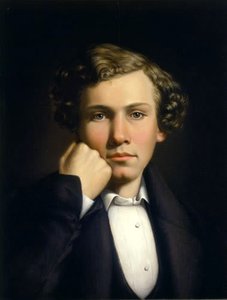
威廉·泰利·兰尼
1813 - 1857 , 美国
快速概览
- Artistic Movement Or Style: 风俗画, 浪漫主义
- Artists Or Movements Influenced By This Artist: 美国风俗画家
- Date Of Birth: 1813年5月9日
- Date Of Death: 1857年11月18日
- Full Name: 威廉·泰利·兰尼 (William Tylee Ranney)
- Nationality: 美国
- Notable Artworks:
- 《在飞行中》
- 《草原葬礼》
- 《侦察队》
- 《寻回》
- 《马里恩渡过皮迪河》
- Place Of Birth: 美国,米德尔敦
相关文章
William Aiken Walker: A Southern Luminist's Vision of River Life & Antebellum Society
Explore the evocative paintings of William Aiken Walker, a master of Southern Luminism. Discover his poignant depictions of post-Civil War life, African American culture & antebellum landscapes. Learn about this important artist's legacy.

William Owen: A Poetic Vision of War & Landscape in British Modernism
Explore the poignant war poetry of Wilfred Owen, a key figure in British Modernism. Discover his innovative style, themes of loss & camaraderie, and lasting impact on 20th-century literature. Analysis & historical context included.

Frederick William Jackson: Capturing the American West Through Luminist Vision & Narrative Detail
Explore the captivating works of Frederick William Jackson, a pioneer of Western realism & Luminist painting. Discover his atmospheric landscapes, depictions of Native American life, and lasting legacy. Learn more at OriginalUniqueArt.

Grant Wood & American Regionalism: Identity, Myth & the Rural Landscape
Explore the world of Grant Wood & American Regionalism with OriginalUniqueArt. Discover the symbolism behind 'American Gothic', recurring themes, and the movement's lasting impact on art history. High-quality reproductions available.
William Henry Hope: Illuminating American Genre Painting Through Luminosity & Narrative
Explore the captivating landscapes & genre scenes of William Henry Hope, a pivotal Canadian artist. Discover his mastery of light, realism, and narrative in this insightful guide. Learn about collecting his work & its place in art history.