
 实景预览
实景预览
 发送
发送 分享
分享
 详情
详情 指南
指南

 下载图片
下载图片
 相似作品
相似作品 X射线
X射线 幻灯片播放
幻灯片播放 统计数据
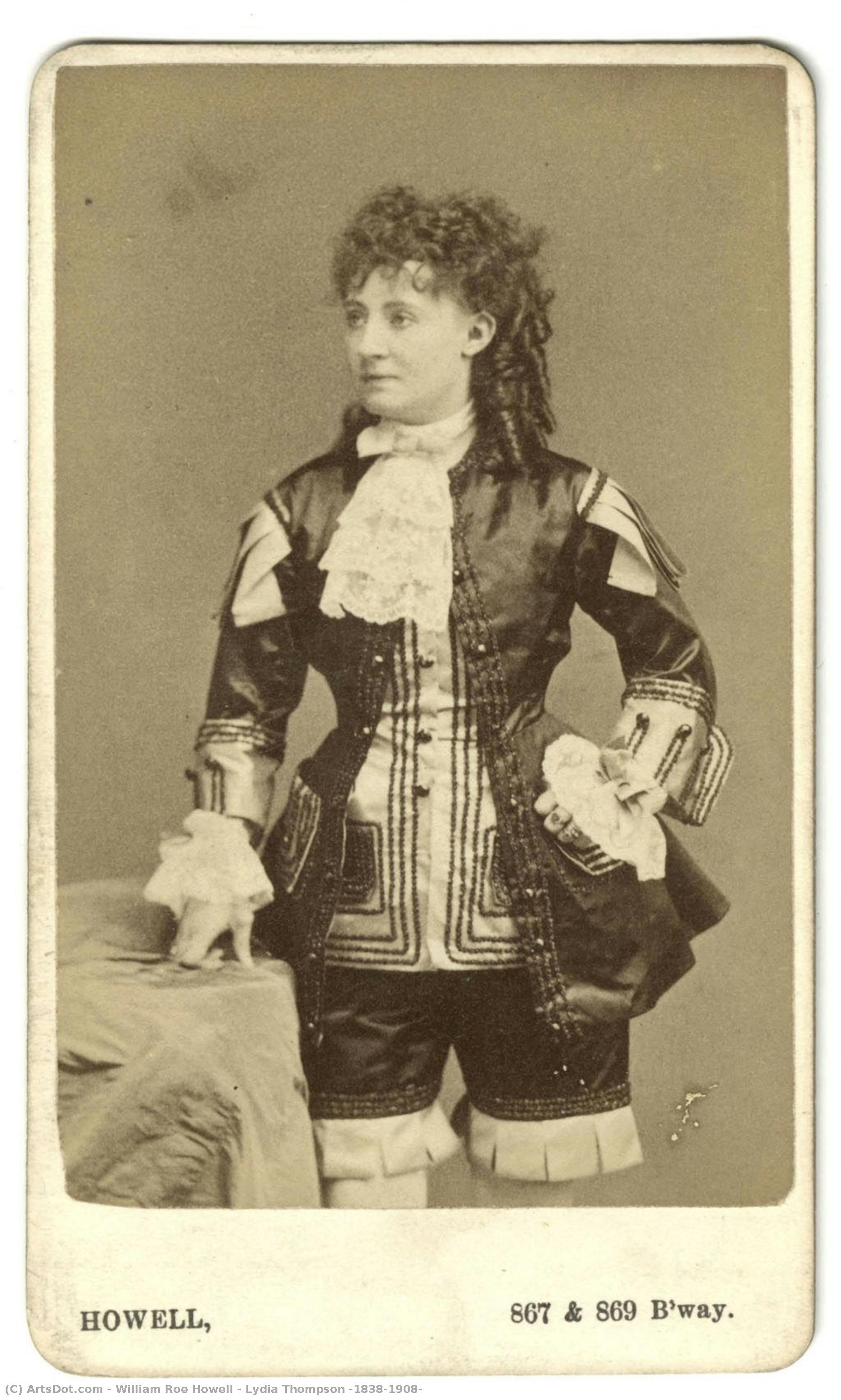
统计数据Lydia Thompson (1838-1908)

 阅读全文
阅读全文
艺术微喷/版画
博物馆级艺术微喷或帆布版画,制作高效,并提供多种饰面选择。 ( 订购此收藏品的纯手工复刻画作 切换至数字图像销售渠道)




































您可以从与原作比例一致的预设尺寸中进行选择。

您可以输入自定义尺寸,以适配特定的画框或空间。如果您选择的尺寸与原图比例不符,我们将对作品进行裁剪,或通过镜像填充/纯色填充边缘的方式来扩展图像。在开始制作之前,我们会向您发送一份数字效果图供您确认。
请注意,屏幕上的预览并不能反映实际的裁剪或扩展效果。只有效果图才能准确展示最终的构图。
虽然我们提供定制尺寸,但为了保持原图比例,我们建议您从预设列表中选择尺寸。


 玻璃选项仅适用于110厘米以下的尺寸。

Lydia Thompson (1838-1908)
艺术微喷/版画
复刻品尺寸说明
-


总计金额
$ 80
艺术家简介
The Lens of Eminence: The Life and Legacy of William Roe Howell
In the flickering light of the Victorian era, a period defined by both rapid industrial progress and a profound fascination with individual identity, William Roe Howell emerged as a master of the captured moment. Born in 1846 in Goshen, Indiana, Howell’s journey from the American Midwest to the bustling heart of New York City’s artistic scene is a narrative of immense talent meeting historical opportunity. While his early years were rooted in the landscapes of his youth, his true calling lay in the meticulous, chemical dance of the photographic darkroom. Before he became a celebrated name in portraiture, Howell honed his eye through formal training in drawing and painting, an education that gifted him with an unparalleled understanding of composition, light, and the subtle nuances of human expression—elements that would later breathe life into his silver-toned masterpieces.
The transition from the brush to the camera was more than a mere change in medium; it was a deliberate pursuit of a new kind of truth. As photography evolved, Howell embraced the technical complexities of the era, particularly the collodion process. This method, though demanding, offered a clarity and sharpness that far surpassed the earlier daguerreotypes, allowing him to document the textures of velvet, the glint of medals, and the profound depth of a subject's gaze. His early professional milestones were marked by significant prestige, most notably in 1873, when he was awarded the Grand Prize at the Vienna International Exposition. This international recognition placed him among the elite photographic innovators of Europe and America, signaling the arrival of a photographer whose technical prowess was matched only by his artistic intuition.
Capturing the Icons of an Age
By the mid-1870s, Howell had established a prominent studio at 867 & 869 Broadway in New York City, a location that served as a crossroads for the era's most influential figures. His work became a vital historical record, documenting the faces that shaped American politics and culture. To step into his studio was to encounter the very essence of Victorian celebrity. Through his lens, the commanding presence of political titans like Ulysses S. Grant was rendered with a dignity that commanded respect, while the luminous, theatrical allure of stars such as Lillian Russell was captured with a romantic grace that captivated the public imagination.
Howell’s artistry extended beyond the grand portraits of the elite; he possessed a unique ability to navigate different social spheres with equal sensitivity. His early work as a class photographer for Princeton College demonstrated his ability to work within specialized environments, even utilizing portable darkrooms and temporary structures to capture the spirit of the student body. This versatility—the ability to move from the academic halls of New Jersey to the high-society studios of Manhattan—defined his professional identity. His portraits were not merely likenesses but albumen prints that carried a sense of permanence, turning fleeting moments of fame into enduring icons of American history.
A Final Chapter and Enduring Significance
Despite the brilliance of his career, Howell’s life was shadowed by the same fragility that often accompanies great passion. His untimely death in 1890 at the age of 44, caused by tuberculosis, brought a premature end to a career that was still reaching new heights of influence. Yet, the impact of his work remained etched in the cultural fabric of the late 19th century. He left behind a visual legacy that serves as a window into a vanished world, providing modern historians with an intimate look at the personalities who navigated the complexities of a changing nation.
The historical significance of William Roe Howell lies in his role as a pioneer of documentary portraiture. He did not simply take pictures; he curated the visual identity of an era. His contributions can be summarized through several key achievements:
- Technical Innovation: Mastery of the collodion process to achieve unprecedented detail and clarity in portraiture.
- International Acclaim: Securing the Grand Prize at the 1873 Vienna International Exposition, elevating American photography on the world stage.
- Cultural Documentation: Creating an irreplaceable archive of political and theatrical luminaries, from statesmen to Broadway legends.
- Artistic Synthesis: Blending the classical principles of fine art painting with the emerging precision of photographic science.
Today, the works of William Roe Howell are cherished not only as technical triumphs of the Victorian age but as soulful explorations of human character. His ability to find the intersection between the public persona and the private individual ensures that his name remains a vital part of the history of American art.

william roe howell
1846 - 1890 , United States of America
快速概览
- Artistic Movement Or Style: Victorian Photography
- Artists Or Movements Influenced By This Artist: ['Photographic Realism']
- Artists Who Influenced This Artist: ['George Eastman']
- Date Of Birth: Goshen, Indiana, United States of America (1846)
- Date Of Death: 1890
- Full Name: William Roe Howell
- Nationality: American
- Notable Artworks: ['Portrait of Theodore Roosevelt']
- Place Of Birth: Goshen, Indiana