实景预览
实景预览
 发送
发送 分享
分享
 详情
详情 指南
指南

 下载图片
下载图片
 相似作品
相似作品 X射线
X射线 幻灯片播放
幻灯片播放 统计数据
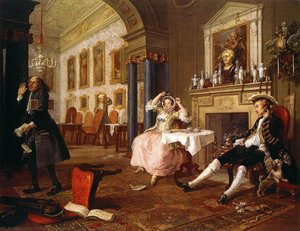
统计数据A Rake’s Progress, Plate III
 Acrylic On Canvas
- WallArt
- Baroque Satire
 61.0 x 45.0 cm
 阅读全文
阅读全文
手工油画复制品
由我们的艺术家按需定制,为您提供您所选尺寸及画框的布面手工油画。 ( 切换至版画销售渠道 切换至数字图像销售渠道)




P118B ¥10

P118H ¥10

P118W ¥10

P438Z ¥10

P508JH ¥12

P508YH ¥12

P805H ¥10

P805Z ¥10

P919BZ ¥10

P919G ¥10

P919XJ ¥10

P959ZH ¥10

P968JZ ¥12

W106C ¥8

W218G ¥10

W218JH ¥8

W218Y ¥10

W307PJ ¥10

W316G ¥10

W316PJ ¥8

W316Y ¥10

W398PJ ¥8

W4111J ¥10

W500HY ¥15

W500JH ¥15

W692G ¥12

W849H ¥8

W940BG ¥15

W953PJ ¥8




您可以从与原作比例一致的预设尺寸中进行选择。

您可以输入自定义尺寸,以适配特定的画框或空间。如果所选尺寸与原图比例不符,我们将通过裁剪作品或添加手绘元素来扩展画面。数字样稿将在制作开始前发送给您确认。
请注意,屏幕预览无法准确反映实际的裁剪或扩展效果,只有样稿才能真实呈现最终的构图。
虽然我们提供定制尺寸服务,但为了保留原作比例,建议您从预设列表中选择尺寸。
下单后,OriginalUniqueArt.com 团队将通过电子邮件联系客户获取具体要求,并提供效果预览图


 玻璃选项仅适用于110厘米以下的尺寸。

A Rake’s Progress, Plate III
复制品材质
复刻品尺寸说明
-


总计金额
¥ 2021
A Rake’s Progress, Plate III: A Window into Eighteenth Century Moral Decay
William Hogarth's “A Rake’s Progress, Plate III,” created in 1732-33, stands as a cornerstone of British satirical art and a chilling depiction of societal hypocrisy during the Enlightenment. More than just a visual record of a tavern scene—as documented by scholars at Sir John Soane’s Museum—it's a meticulously crafted commentary on virtue versus vice, ambition versus moral responsibility, presented with an unflinching gaze that continues to resonate centuries later.
- Subject Matter: The painting portrays a gathering of men in a tavern interior. At the center sits a wealthy rake, surrounded by admirers and indulging in copious amounts of wine. Alongside him are several other figures – a gentleman attempting to persuade his companion to join the revelry, and a waiter diligently serving drinks.
- Style & Technique: Hogarth employed etching and engraving—a technique he pioneered—to achieve remarkable detail and tonal gradation. The artist’s masterful use of chiaroscuro (the dramatic interplay of light and shadow) amplifies the psychological tension within the scene, highlighting the moral contrasts at play. Each line etched onto the plate contributes to a textured surface that captures the atmosphere of the tavern with astonishing accuracy.
The historical context is crucial to understanding “A Rake’s Progress.” Hogarth lived during a period marked by rapid social change—the rise of mercantilism, the expansion of colonial ambitions, and an increasing preoccupation with moral philosophy. He deliberately confronted these trends head-on, exposing the decadent lifestyles of the aristocracy and questioning their justifications for indulging in immoral behavior.
- Symbolism: The composition is laden with symbolic elements. The wine glasses represent excess and indulgence, while the clock symbolizes wasted time—a stark reminder that life passes by unnoticed when consumed by frivolous pursuits. The rake’s gaze directs attention to his companions, suggesting a manipulative desire for influence and control.
- Emotional Impact: Hogarth's intention wasn't merely to depict what he saw; he aimed to provoke emotion. The painting evokes feelings of discomfort, judgment, and perhaps even pity for those caught in the trap of moral compromise. It serves as a powerful indictment of societal values and a timeless exploration of human psychology.
“A Rake’s Progress, Plate III” remains an enduring masterpiece not only for its technical brilliance but also for its profound engagement with the anxieties of its time. Its meticulous detail and unsettling portrayal of human behavior continue to inspire artists and captivate audiences today—a testament to Hogarth's unparalleled ability to transform observation into searing social critique.
问答详情
"A Rake’s Progress, Plate III" 的艺术家是谁?
"A Rake’s Progress, Plate III" 的创作者是 威廉·霍加斯特。该作品以 威廉·霍加斯特 的名义编入目录。
哪种空间能与 威廉·霍加斯特 的《A Rake’s Progress, Plate III》 的色彩相得益彰?
威廉·霍加斯特 的《A Rake’s Progress, Plate III》 的 Earthy 色调与其推荐的布置空间——Living Room 完美契合。
建议将 威廉·霍加斯特 的《A Rake’s Progress, Plate III》 悬挂在哪个空间?
"A Rake’s Progress, Plate III" 的复制品非常适合陈设于 Living Room 中。
哪里可以买到威廉·霍加斯特 的《A Rake’s Progress, Plate III》的手绘复制品?
“A Rake’s Progress, Plate III”现已推出亚麻画布手工绘制油画复制品。您可以在本页进行订购,并可自由选择多种尺寸。
"A Rake’s Progress, Plate III" 有艺术版画出售吗?
“A Rake’s Progress, Plate III”可通过 采用棉质帆布或档案级画布纸制作的艺术版画 进行订购。您可以在 本页 选择心仪的尺寸进行下单。
威廉·霍加斯特 的《A Rake’s Progress, Plate III》 的图像可以自由转载吗?
威廉·霍加斯特 的《A Rake’s Progress, Plate III》 的版权说明:该作品属于 属于公有领域 —— 其版权已过期。这决定了是否可以自由进行图像复制。
威廉·霍加斯特 的《A Rake’s Progress, Plate III》 的亮度是多少?
"A Rake’s Progress, Plate III" 的色彩呈现出 Gentle Luminance 的亮度。
艺术家简介
William Hogarth (1697–1764): A London Life Illuminated by Ink and Paint
William Hogarth, born in the bustling heart of London on November 10th, 1697, wasn’t merely an artist; he was a visual historian—a chronicler of his time who captured the spirit of Enlightenment England with unparalleled acuity. His life story is inextricably intertwined with the dramatic transformations unfolding across Britain during this period: burgeoning ambitions fueled by mercantile expansion, anxieties stemming from shifting social hierarchies, and pervasive hypocrisy exposed through unflinching satire. The son of Richard Hogarth, a modest Latin schoolmaster, William’s formative years instilled within him both an appreciation for intellectual pursuits and a profound awareness of societal inequalities—a foundation that would profoundly shape his artistic vision. Early on, he apprenticed himself to Ellis Gamble, honing his engraving skills amidst the workshops of Leicester Fields, where he mastered the craft of producing trade cards and similar commercial prints. Yet, Hogarth possessed a restless spirit, yearning for an expressive medium beyond the confines of traditional engraving—a desire that propelled him toward rigorous study at St Martin’s Lane Academy and under the tutelage of Sir James Thornhill, absorbing influences from Italian Grand Manner painting and establishing himself as a leading figure in London's artistic landscape.Early Life and Influences: Shaping a Vision
Richard Hogarth’s modest circumstances—including his imprisonment for debt—served as an early catalyst for William’s artistic sensibilities. The experience instilled within him a visceral understanding of social vulnerability and fueled his conviction that art should confront uncomfortable truths about human behavior. He cultivated a keen interest in the vibrant street life of London fairs, meticulously sketching the characters he encountered—a habit that would inform his later depictions of urban society with remarkable detail. Simultaneously, Hogarth absorbed influences from continental artistic traditions, particularly Dutch genre painting and French satirical prints, recognizing their capacity to convey complex narratives and critique social conventions. These formative experiences instilled in him a distinctive aesthetic sensibility—one characterized by both realism and psychological insight. Notably, he admired the dramatic compositions of Rembrandt and Caravaggio, mastering techniques that would later become hallmarks of his own style.The Birth of Modern Moral Subjects: A Revolutionary Approach
Hogarth’s true innovation lay not simply *what* he painted but *how*. He pioneered what he termed “modern moral subjects”—a groundbreaking approach to artistic representation that departed radically from prevailing conventions. Rejecting the idealized portraits favored by aristocratic patrons, Hogarth embarked on a bold experiment: creating sequential paintings—essentially visual novels—designed to narrate stories and expose social failings with biting satire. His most celebrated series, *A Harlot’s Progress* (1742), exemplifies this revolutionary vision. Through six meticulously rendered canvases, Hogarth chronicles the tragic descent of Mary Wells—a young woman lured into London by dreams of fortune but swiftly seduced by vice and despair. Each scene is imbued with symbolic significance—reflecting moral decay and highlighting the consequences of unchecked indulgence—and presented with unflinching honesty that challenged viewers to confront uncomfortable realities about their own society. Similarly, *A Rake’s Progress* (1733–34), depicting the spiraling ruin of Tom Rakewell—a wealthy gentleman consumed by gambling and hedonism—further solidified Hogarth's reputation as a pioneer of narrative painting. He skillfully employed theatrical staging techniques—borrowing from the conventions of the London stage—to heighten dramatic tension and engage viewers emotionally.Technique and Style: Mastering Line and Shadow
Hogarth’s artistic technique was distinguished by an unparalleled command of line and shading—a mastery that elevated his engravings to levels of sophistication rarely achieved by his contemporaries. He meticulously studied the works of Rembrandt and Rubens, absorbing their masterful use of chiaroscuro—the dramatic interplay between light and dark—to create depth and texture within his paintings. Furthermore, he perfected the art of cross-hatching—a technique involving intersecting lines that produced intricate patterns—allowing him to convey subtle nuances of tone and form with remarkable precision. This meticulous attention to detail extended beyond mere technical skill; it reflected Hogarth’s profound understanding of visual perception and his conviction that art should strive for realism—capturing the essence of human experience with unflinching honesty. His engravings, in particular, achieved renown for their clarity and expressive power—establishing him as one of Britain's foremost printmakers and securing his legacy as a champion of artistic innovation.Legacy and Influence: Shaping British Art History
William Hogarth’s influence on subsequent generations of artists is undeniable. He established a distinctly British artistic identity, rejecting the stylistic conventions favored by continental Europe and asserting the primacy of native sensibilities—a stance that resonated deeply with his fellow painters and cemented his position as a pivotal figure in art history. Artists like James Gillray and George Cruikshank embraced Hogarth’s satirical spirit—continuing his tradition of social critique through visual storytelling—demonstrating the enduring power of his artistic vision. Moreover, Hogarth's pioneering approach to narrative painting profoundly impacted British theatrical conventions, inspiring playwrights to adopt dramatic staging techniques that mirrored his own masterful compositions. His unwavering commitment to realism and psychological insight continues to inspire artists today—serving as a testament to his genius as both painter and engraver. He remains a cornerstone of British art history—celebrated for his innovative technique, his unflinching social commentary, and his enduring ability to capture the complexities of human life—a legacy that transcends time and continues to illuminate the artistic landscape of our era.
威廉·霍加斯特
1697 - 1764 , 英国
快速概览
- Artistic Movement Or Style: 讽刺艺术、现实主义风格
- Artists Who Influenced This Artist:
- 彼得·德·霍赫
- 乔纳森·斯威夫特
- Date Of Birth: 1697年11月10日
- Date Of Death: 1764年10月26日
- Full Name: William Hogarth
- Nationality: 英国人
- Notable Artworks: ['《哈罗特进行》,《罗克进行》']
- Place Of Birth: 伦敦,英国
相关文章

William Hogarth: Satire, Social Commentary & the Birth of Modern British Art
Explore the satirical world of William Hogarth, pioneering British painter & engraver. Discover his iconic works like *A Rake's Progress* and insightful social commentary on 18th-century London life.
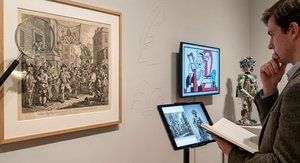
The Sharpest Wit: A Critical Exploration of Satire in Art History – From Hogarth to Contemporary Critique
Explore the history of satire in art! From Hogarth's London to contemporary critique, discover how artists use wit & visual power to reflect and challenge society. Expert insights at OriginalUniqueArt.
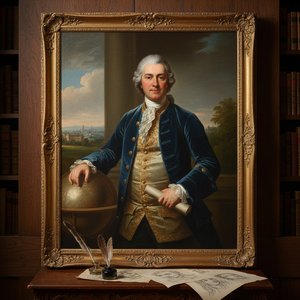
Thomas Hudson: A Study in 18th-Century Portraiture & British Artistic Identity
Explore the life & work of Thomas Hudson, a leading 18th-century British portraitist. Discover his mastery of the 'Grand Manner,' influential style, and lasting impact on British art. Learn about his notable portraits like Judge William Noel & Alexander Van Aken.

Reflecting Nobility & Nuance: 18th-Century Portraiture as a Window into Societal Values
Explore the world of 18th-century portraiture with OriginalUniqueArt. Discover symbolism, artistic innovation & societal values reflected in masterpieces by Reynolds, Hogarth & more. Expert insights for collectors.
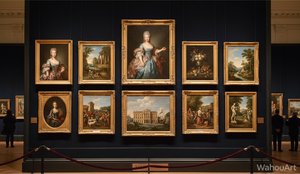
18th Century Masters: 10 Artworks That Define an Era | OriginalUniqueArt
Journey through 18th century art! Explore 10 iconic paintings – from Rococo elegance to Neoclassical grandeur. Discover Fragonard, David & more. Find museum-quality reproductions and elevate your home decor on OriginalUniqueArt.com.