
 效果预览
效果预览
 购买手绘画作
 分享
分享 分享
分享
 详情
详情

 下载
下载
 相似作品
相似作品 X射线
X射线 幻灯片播放
幻灯片播放St Joseph
 Oil On Canvas
- WallArt
- Pre-Raphaelite
 1847
1847 79.0 x 55.0 cm
 皇家收藏馆
皇家收藏馆
 展开详情
展开详情




P118B $10

P118H $10

P118W $10

P438Z $10

P508JH $12

P508YH $12

P805H $10

P805Z $10

P919BZ $10

P919G $10

P919XJ $10

P959ZH $10

P968JZ $12

W106C $8

W218G $10

W218JH $8

W218Y $10

W307PJ $10

W316G $10

W316PJ $8

W316Y $10

W398PJ $8

W4111J $10

W500HY $15

W500JH $15

W692G $12

W849H $8

W940BG $15

W953PJ $8




从与原作比例一致的预设尺寸中进行选择。

您可以输入自定义尺寸,以适配特定的画框或空间。如果您选择的尺寸与原图比例不符,我们将对作品进行裁剪,或通过镜像填充/纯色填充边缘的方式来扩展图像。在开始制作之前,我们会向您发送一份数字效果图供您确认。
请注意,屏幕上的预览并不能反映实际的裁剪或扩展效果。只有效果图才能准确展示最终的构图。
虽然我们提供定制尺寸,但为了保持原图比例,我们建议您从预设列表中选择尺寸。


 玻璃选项仅适用于110厘米以下的尺寸。

St Joseph
艺术微喷/版画
复制品尺寸
-


最终总价
$ 80
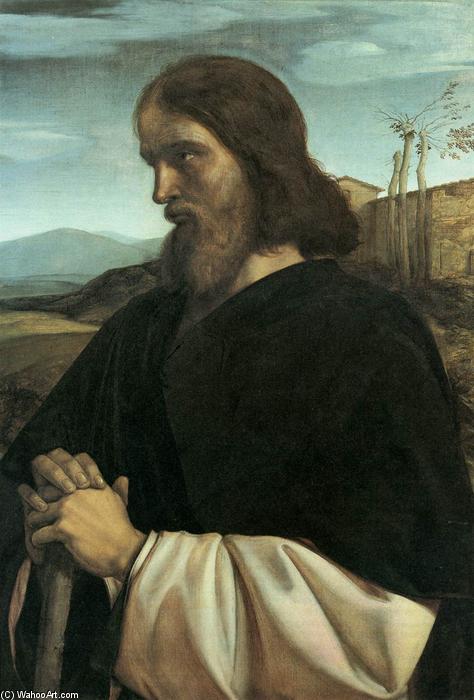
The Serene Figure: William Dyce’s St. Joseph
William Dyce's "St. Joseph" is more than a portrait; it’s a carefully constructed meditation on faith, domesticity, and the quiet dignity of a biblical figure. Painted in 1847 during a period of burgeoning Pre-Raphaelite influence in England, this oil-on-canvas work transcends mere representation to become a deeply evocative study of human character. Dyce, a pivotal figure in establishing art education within the British system, imbues the scene with an almost palpable sense of contemplation – Joseph’s gaze, slightly turned leftward, suggests a man lost in thought, perhaps reflecting on his role as guardian of Mary and infant Jesus.
The composition itself is remarkably restrained. Dyce eschews dramatic gestures or elaborate drapery, opting instead for a directness that draws the viewer into Joseph’s world. The muted palette – dominated by earthy browns, ochres, and subtle greens – contributes to the painting's overall sense of solemnity and timelessness. Notice how Dyce masterfully employs light and shadow; it isn’t harsh or theatrical but rather a gentle diffusion that softens the features and emphasizes the texture of Joseph’s clothing, hinting at both its practicality and the inherent value placed upon his role.
A Pre-Raphaelite Echo
Dyce's work firmly resides within the orbit of the Pre-Raphaelites, though he never formally joined their brotherhood. The influence is evident in his meticulous attention to detail, his preference for naturalistic rendering, and his exploration of religious themes with a heightened sense of emotional resonance. The painting shares similarities with works by Millais and Rossetti – particularly in its focus on the domestic sphere and the portrayal of biblical figures as relatable human beings. However, Dyce’s approach is subtly different; there's a greater emphasis on psychological depth and a quiet reverence that distinguishes his style.
The choice of subject matter itself—St. Joseph—is significant. Often overshadowed by Mary and Jesus in traditional iconography, Joseph represents the steadfastness, humility, and protective spirit essential to the Christian narrative. Dyce’s portrayal elevates him beyond a mere supporting character, presenting him as a man of quiet strength and unwavering devotion.
Craftsmanship and Context
Created in 1847, “St. Joseph” reflects the artistic climate of Victorian England. The Royal Collection, where it currently resides at Windsor Castle, speaks to its historical importance and enduring appeal. Dyce’s technical skill is undeniable; his brushwork is smooth and controlled, creating a sense of depth and texture that invites close examination. The canvas itself, likely prepared by a skilled craftsman, provides an ideal surface for Dyce's meticulous rendering.
Furthermore, the painting was commissioned by Prince Albert, highlighting its significance within the royal household. This connection adds another layer to the artwork’s narrative – it wasn’t merely a devotional image but also a symbol of familial piety and the values championed by the Victorian monarchy. The inclusion of the landscape background—rolling hills under a cloudy sky—further grounds the scene in a tangible reality, suggesting that Joseph's faith is rooted in the everyday world.
A Legacy of Reflection
“St. Joseph” remains a powerful and moving work of art. It’s a testament to Dyce’s artistic vision and his ability to capture the essence of human emotion through meticulous observation and skillful execution. More than just a depiction of a biblical figure, it's an invitation to contemplate themes of faith, family, and the quiet dignity of ordinary lives. Reproductions of this piece offer a beautiful opportunity to bring a touch of Victorian serenity and contemplative grace into any space.
艺术家简介
早年生活与艺术训练
威廉·戴斯(William Dyce,1806–1864)出生于苏格兰阿伯丁,他是一位名医、皇家学会院士威廉·戴斯博士与银行家之女玛格丽特·查尔姆斯所生的子嗣。他的家庭环境孕育了他对知识与文化的深厚热爱,为他日后的艺术追求奠定了坚实的根基。年仅十六岁时,他便在阿伯丁的马里查尔学院获得了硕士学位——这在当时是一项令人瞩目的成就。敏锐地察觉到自己在设计方面的天赋后,戴斯前往爱丁堡和伦敦的皇家艺术学院接受了正式训练,全身心地沉浸于古典艺术的研究之中,并掌握了对其后期职业生涯至关重要的绘画技法。在他艺术成长的关键时期,苏格兰与英格兰之间流动的各种具有影响力的艺术思想深刻地塑造了他的审美情致,使他成为一名致力于追求卓越艺术境界的学子。意大利的影响与艺术蜕变
1825年,戴斯开启了第一次重要的海外之旅,前往罗马——这一时刻不可逆转地改变了他艺术生命的轨迹。受文艺复兴艺术宏伟气象的启发,并被纳撒雷派画家(Nazarene painters)的精神所吸引,戴斯用九个月的时间勤勉地研习提香与普桑的作品,汲取其构图原则并精通了他们对色彩的大师级运用。这种对意大利艺术传统的沉浸式学习深刻影响了他的风格,使他形成了偏好细腻观察并传达深邃精神冥想的创作倾向,而这些特征也成为了他作品一贯的标志。1826年回到阿伯丁后,他继续磨炼绘画技艺,并创作出了一系列备受赞誉的作品,其中包括《宁芙女神哺育巴克斯》,此作在当时赢得了广泛的声誉。爱丁堡岁月与肖像画创作
19世纪30年代中期,戴斯在爱丁堡确立了其作为肖像画家的地位,并获得了苏格兰社会显赫人物的委约创作。他那对细节近乎苛求的关注——尤其是捕捉微妙表情与心理细微差别的能力——为他赢得了极高的名望。他巧妙地将古典主义的影响与浪漫主义的情感融合在一起,创作出的肖像画既具有美学上的精致感,又富有情感上的共鸣。与此同时,他积极投身于艺术教育事业,倡导在爱丁堡建立一所设计学校,并在此担任领导职务直至1843年,期间负责了该校的扩张与现代化进程。伦敦生涯与建筑赞助
1837年,戴斯移居伦敦,出任萨默塞特府设计学校的校长。这标志着他职业生涯的一个重大转折点,将他推向了维多利亚时代艺术论辩的核心,并使他得以接触到极具影响力的赞助人——其中最著名的便是阿尔伯特亲王。通过对海外艺术教育实践的广泛研究,他为“南肯辛顿体系”(South Kensington System)的创立提供了重要依据,该体系在随后的数十年里主导了英国的艺术教学。戴斯的参与不仅限于教学领域;他还担任建筑项目的顾问,包括新议会大厦的设计工作——这一项目充分展示了他精湛的湿壁画技艺,并巩固了他作为英国最杰出艺术家之一的地位。卓越成就与艺术遗产
戴斯的艺术遗产主要建立在两项宏伟的工程之上:西敏寺的装饰以及议会大厦的创作。他在西敏寺创作的湿壁画——尤其是《海神向不列颠臣服》——代表了维多利亚时代雄心与艺术愿景的胜利,既体现了大英帝国的宏伟气象,也展示了戴斯在湿壁画技法上无与伦比的造诣。然而,他最负盛名的作品仍是《肯特郡佩格威尔湾》——这幅风景画完美诠释了他对自然细致入微的观察力以及传达深层情感深度的能力。此外,戴斯对艺术教育的贡献——包括皇家艺术学院的建立及其对创新教学方法的倡导——作为他对艺术训练变革力量之坚定信念的见证,流芳百世。威廉·戴斯始终是一位用作品体现维多利亚时代精神的艺术家:那种充满求知欲、道德严谨性以及对提升人类文化满怀热忱的精神。
威廉·戴斯
1806 - 1864 , 英国
艺术家简介
- Artistic Movement Or Style: 拉斐尔前派
- Artists Or Movements Influenced By This Artist: ['纳撒勒派']
- Artists Who Influenced This Artist:
- 弗里德里希·奥弗贝克
- 约翰·拉斯金
- Date Of Birth: 1806-09-19
- Date Of Death: 1864-02-14
- Full Name: 威廉·戴斯
- Nationality: 苏格兰
- Notable Artworks:
- 肯特郡佩格威尔湾
- 圣母与圣婴
- 邓斯坦分隔埃德威与埃尔吉瓦
- Place Of Birth: 英国,阿伯丁
相关文章

Oil on Canvas: A Historical & Technical Exploration of a Timeless Artistic Medium
Explore the rich history & enduring techniques of oil painting on canvas. Discover the science behind its longevity, conservation practices, and contemporary relevance. Expert insights for art enthusiasts.

埃尔·格列柯25幅杰作:探索艺术大师的信仰与火焰
探索埃尔·格列柯25幅杰作,领略这位西班牙画家巴洛克风格的宗教绘画魅力。从《圣塞巴斯蒂安》到《沉思者》,感受信仰与艺术的交融。OriginalUniqueArt.com提供高品质油画复制品,为您的家居装饰增添经典之美!探索完整系列作品。

The Enduring Legacy of Oil on Canvas: Technique, History & Aesthetic Impact
Explore the rich history & techniques of oil painting – from Renaissance masters to Impressionism. Discover pigments, layering methods, and why this timeless medium endures. Expert insights for artists & art enthusiasts.

The Enduring Power of Painting: A Historical & Contemporary Exploration of Form and Emotion
Explore the rich history & enduring techniques of oil painting with OriginalUniqueArt. Discover masterpieces, learn about art collecting, and find authentic handmade reproductions crafted by skilled artists.

画布上的流光溢彩:油画技法、历史沿革与当代实践
深入探索油画技法的历史沿革,从文艺复兴到卡拉瓦乔的革命性创新。了解多层涂布技术如何塑造色彩与光影,并洞悉当代油画实践中的传统与突破。OriginalUniqueArt为您提供专业的艺术品咨询和定制服务。