

 实景预览
实景预览
 发送
发送 分享
分享
 详情
详情 指南
指南

 下载图片
下载图片
 相似作品
相似作品 X射线
X射线 幻灯片播放
幻灯片播放 统计数据
统计数据Distant View of Worcester
 Other
Other 90.0 x 121.0 cm
 阅读全文
阅读全文
艺术微喷/版画
博物馆级艺术微喷或帆布版画,制作高效,并提供多种饰面选择。 ( 订购此收藏品的纯手工复刻画作 切换至数字图像销售渠道)




P118B ¥10

P118H ¥10

P118W ¥10

P438Z ¥10

P508JH ¥12

P508YH ¥12

P805H ¥10

P805Z ¥10

P919BZ ¥10

P919G ¥10

P919XJ ¥10

P959ZH ¥10

P968JZ ¥12

W106C ¥8

W218G ¥10

W218JH ¥8

W218Y ¥10

W307PJ ¥10

W316G ¥10

W316PJ ¥8

W316Y ¥10

W398PJ ¥8

W4111J ¥10

W500HY ¥15

W500JH ¥15

W692G ¥12

W849H ¥8

W940BG ¥15

W953PJ ¥8




您可以从与原作比例一致的预设尺寸中进行选择。

请输入您所需的宽度和高度,以适配您的画框或墙面。由于印刷品只能进行裁剪,无法超出原图尺寸,因此若比例不一致,画面的一部分将会被裁切。在正式印刷之前,我们会为您发送一份数字效果图供您确认。本页面显示的图片并非最终裁剪后的效果——只有效果图才能展示真实的裁剪情况。


 玻璃选项仅适用于110厘米以下的尺寸。

Distant View of Worcester
艺术微喷/版画
复刻品尺寸说明
-


总计金额
¥ 538
艺术家简介
William Dring: A Quiet Master of Post-War British Portraiture
William Dring (1904-1990) wasn’t a flamboyant figure in the art world, yet his quietly assured portraits and landscapes offer a remarkably sensitive glimpse into post-war Britain. Born in Streatham, London, and trained at the prestigious Slade School of Fine Art, Dring’s career unfolded with a deliberate grace, marked by meticulous technique, understated emotion, and a profound understanding of human character. He wasn't driven by grand gestures or revolutionary ideas; instead, he excelled at capturing the essence of his subjects – from royalty to everyday individuals – with an almost uncanny ability to reveal their inner lives.
Dring’s early artistic development was shaped by the rigorous training at the Slade, where he honed his skills in draughtsmanship and composition. He quickly established himself as a talented pastel artist, mastering the medium's capacity for subtle tonal shifts and delicate detail. This technical proficiency would become a hallmark of his work, allowing him to create images that were both precise and deeply expressive. His initial commissions included murals for architects Lutyens and Richardson, providing an early exposure to diverse subjects and styles – a foundation upon which he built his distinctive artistic voice.
The War Artist and the Portrait of a Nation
World War II dramatically altered Dring’s trajectory, thrusting him into the role of official War Artist. He was commissioned by the Admiralty and Air Ministry to document the realities of conflict through portraiture, capturing the faces of those who served – officers, sailors, airmen, and civilians alike. This period represents a crucial phase in his artistic development, as he adapted his skills to meet the urgent demands of wartime service. His portraits weren’t heroic celebrations of military might; rather, they offered intimate studies of individuals grappling with uncertainty, resilience, and loss. The starkness of the war years informed his palette, favoring muted tones and a restrained approach that amplified the emotional weight of each image.
Dring's wartime work is particularly notable for its accessibility and humanity. He eschewed grand poses and theatrical settings, preferring to capture subjects in naturalistic situations – at their desks, during breaks, or engaged in everyday activities. This intimacy created a powerful connection between the viewer and the portrayed individual, offering a poignant reflection on the human cost of conflict. His portraits of figures like Commander William D. King, a submarine officer who faced extraordinary challenges during the Battle of the Atlantic, stand as testaments to his ability to convey both strength and vulnerability.
A Royal Patronage and Beyond
Following the war, Dring continued to work prolifically, establishing himself as one of Britain’s most respected portraitists. He received commissions from prominent figures – including members of the Royal Family – and produced a series of celebrated portraits that captured the dignity and grace of his subjects. His ability to capture not just physical likeness but also personality and character was highly valued by his patrons. Beyond portraiture, Dring also explored landscapes with a similar sensitivity, employing a restrained palette and meticulous attention to detail to evoke the beauty and tranquility of the British countryside.
His work gained recognition through exhibitions at the Royal Watercolour Society and the Royal Academy, solidifying his place within the established art world. He became an Associate Academician in 1944 and a full Academician in 1955 – honors that reflected his enduring contribution to British art. Dring’s legacy lies not in revolutionary innovation but in his quiet mastery of technique, his profound empathy for his subjects, and his ability to capture the spirit of an era through understated yet deeply resonant imagery.
Key Characteristics and Influences
Dring's style is characterized by several key elements. His draughtsmanship was impeccable, evident in the precise lines and careful modeling of his figures and landscapes. He favored pastel as his primary medium, appreciating its versatility for capturing tonal nuances and creating a sense of immediacy. His portraits are notable for their psychological depth – he didn’t simply reproduce appearances but sought to reveal the inner lives of his subjects. Influences on Dring's work can be traced back to the Slade School of Art, particularly the teachings of Henry Tonks, who emphasized observation and technical skill. The influence of British landscape painting traditions is also evident in his depictions of the countryside, reflecting a deep appreciation for the beauty of the natural world.
Dring’s work offers a valuable window into post-war Britain – a nation grappling with the aftermath of conflict while striving to rebuild its society and identity. His portraits are not merely representations of individuals; they are reflections of a time, capturing the hopes, anxieties, and resilience of a generation.
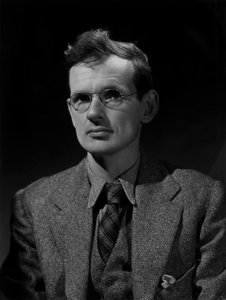
William D Dring
1904 - 1990
快速概览
- Full Name: Dennis William Dring
- Nationality: British
- Date Of Birth: 1904
- Date Of Death: 1990
- Place Of Birth: Streatham, London
- Notable Artworks:
- Conversation in the Bar
- Distant View of Worcester
- Miss Elizabeth Bolton
- Artistic Movement Or Style: Portraiture, Landscape
- Artists Who Influenced This Artist: ['Henry Tonks']
- Artists Or Movements Influenced By This Artist:
- Royal Watercolour Society
- Royal Academy
相关文章

康斯塔布尔大师之作:25幅传世风景画赏析 | OriginalUniqueArt
探索康斯塔布尔的25幅传世杰作!沉浸于英国田园风光,感受浪漫主义绘画大师的光影与色彩。高清油画复制、艺术品购买尽在OriginalUniqueArt.com,为您的家居增添经典之美。立即在线探索完整系列!

19th Century Masterpieces: 10 Paintings That Defined an Era | OriginalUniqueArt
Journey through 19th century art with OriginalUniqueArt! Explore 10 iconic paintings – from Monet & Renoir to Courbet – and discover the stories behind Romanticism, Realism & Impressionism. Find museum-quality reproductions for your home decor. Explore the full collection online!

浪漫主义画派的十部巨作:定义风景画的艺术传奇
探索浪漫主义风景画的巅峰!本文精选十部经典名作,带您领略莫奈、库尔贝等大师的艺术魅力。感受色彩与光影的诗意,重温自然风光的震撼。OriginalUniqueArt.com为您提供博物馆级别的艺术复制品和个性化家居装饰方案。尽在OriginalUniqueArt.com!
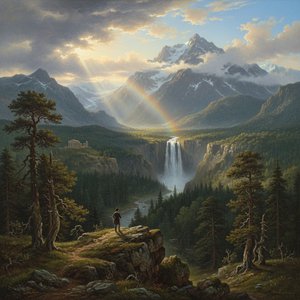
Evoking Nature's Sublime: A Comprehensive Exploration of 19th-Century Landscape Painting
Explore the captivating world of 19th-century landscape painting! Discover renowned artists like Friedrich & Monet, key movements, and find the perfect artwork to bring nature's serenity into your home. Expert insights at OriginalUniqueArt.

Evocations of Place: A Historical Journey Through Landscape Art
Explore the rich history of landscape art with OriginalUniqueArt. Discover renowned artists, movements like Impressionism & Romanticism, and expert guidance for collecting timeless pieces. Find your perfect serene escape today!