

 发送
发送 分享
分享
 详情
详情 指南
指南

 下载图片
下载图片
 相似作品
相似作品 幻灯片播放
幻灯片播放 统计数据
统计数据Let Us Now Praise Famous Men


 阅读全文
阅读全文
手工油画复制品
由我们的艺术家按需定制,为您提供您所选尺寸及画框的布面手工油画。 ( 切换至版画销售渠道 切换至数字图像销售渠道)




































您可以从与原作比例一致的预设尺寸中进行选择。

请输入您需要的宽度和高度,以适配您的画框或墙面。由于作品为手工绘制,若您选择不同的尺寸比例,艺术家可能会在画面边缘多画一些或稍作裁剪 —— 由您决定。在开始绘画之前,我们会为您发送一份数字效果图供您确认。本页面上展示的图片并非最终实物 —— 只有效果图才能反映真实结果。
下单后,OriginalUniqueArt.com 团队将通过电子邮件联系客户获取具体要求,并提供效果预览图


 玻璃选项仅适用于110厘米以下的尺寸。

Let Us Now Praise Famous Men
复制品材质
复刻品尺寸说明
-


总计金额
¥ 2015
A Window Into the American Soul: Walker Evans’ “Let Us Now Praise Famous Men”
Walker Evans' "Let Us Now Praise Famous Men," born from a collaboration between the photographer and writer James Agee in 1936-37, isn’t merely a collection of photographs; it’s a profound meditation on poverty, resilience, and the fractured landscape of the American South during the Great Depression. The work, initially conceived as an article for *Fortune* magazine, ultimately transcended its journalistic origins to become a seminal text in documentary photography and a poignant exploration of human dignity amidst hardship. Evans' approach was revolutionary – he eschewed posed portraits and staged compositions, instead capturing his subjects in their raw, everyday lives, revealing the quiet dignity and heartbreaking realities of sharecropping families in Hale County, Alabama.
The images themselves are characterized by a stark, almost brutal honesty. Evans’ use of the large-format 8x10 view camera allowed for meticulous detail, capturing the weathered faces, threadbare clothing, and humble dwellings of these tenant farmers. His technique is defined by its directness: subjects are presented without embellishment or sentimentality. The black and white palette amplifies the textures – the rough bark of trees, the worn fabric of overalls, the dust-covered earth – creating a tactile experience for the viewer. The photographs aren’t beautiful in a conventional sense; they possess an austere power that forces us to confront the uncomfortable truths of economic disparity and social injustice.
The Power of Observation: Evans' Photographic Style
Evans’ style is deeply rooted in Modernism, yet he transcends purely formal concerns. He wasn’t interested in creating aesthetically pleasing images; his primary goal was to document reality with unflinching accuracy. This commitment to truthfulness is evident in the deliberate cropping and composition of each photograph – often framing subjects within their environment, emphasizing their isolation and vulnerability. His use of light is equally significant, favoring diffused natural light that reveals subtle details and textures without creating harsh shadows. The photographs possess a remarkable sense of stillness, capturing fleeting moments of everyday life with an almost meditative quality.
Crucially, Evans resisted the imposition of narrative or judgment. He didn’t attempt to romanticize or simplify the lives he documented; instead, he presented them as they were – complex, challenging, and profoundly human. This approach was a deliberate departure from prevailing photographic conventions of the time, which often sought to portray subjects in an idealized or heroic light. Evans' work stands as a testament to the power of observation and the importance of allowing subjects to speak for themselves.
Symbolism and Emotional Resonance
While seemingly straightforward, “Let Us Now Praise Famous Men” is rich with symbolic meaning. The title itself – taken from Sirach—references a tradition of honoring those who have achieved greatness, but in Evans’s context, it suggests a recognition of the quiet heroism of ordinary people facing extraordinary circumstances. The photographs evoke a sense of nostalgia for a lost way of life, while simultaneously exposing the systemic inequalities that perpetuate poverty and hardship. The dust storms depicted in many images serve as a potent metaphor for the economic and social turmoil gripping the nation.
Beyond their historical significance, Evans’s photographs possess a deeply emotional resonance. They invite viewers to empathize with the subjects he documented – to recognize their humanity and appreciate their resilience. The starkness of the images forces us to confront our own assumptions about poverty and privilege, prompting reflection on the social responsibility we all share.
A Timeless Legacy: Reproductions and Artistic Inspiration
Today, “Let Us Now Praise Famous Men” remains a landmark achievement in photographic history. OriginalUniqueArt offers meticulously crafted hand-painted reproductions of Evans’s iconic images, allowing you to experience the power and beauty of this seminal work in your own home or studio. These reproductions capture not only the visual details but also the emotional depth and historical context of the original photographs. Whether displayed as a statement piece or incorporated into a broader interior design scheme, these reproductions serve as a reminder of Evans’s profound insights into the American experience – a testament to the enduring power of photography to illuminate truth and evoke empathy.
问答详情
如何发现与 沃克·埃文斯 的《Let Us Now Praise Famous Men》 风格相近的艺术品?
沃克·埃文斯 的《Let Us Now Praise Famous Men》 的 相似作品 页面展示了相关艺术作品。
在哪里可以购买到 沃克·埃文斯 的《Let Us Now Praise Famous Men》 的数字图像?
若想获取 沃克·埃文斯 的《Let Us Now Praise Famous Men》 的数字版文件,请前往其 数字图像 页面进行 高分辨率数字图像下载。
"Let Us Now Praise Famous Men" 的版画推荐用于何处?
"Let Us Now Praise Famous Men" 艺术复制品的推荐用途为 Statement。
艺术家简介
见证美国:沃克·埃文斯的生命与遗产
1903年出生于圣路易斯的沃克·埃文斯,已成为美国摄影史上举足轻重的关键人物,他的名字与大萧条时期的视觉记录紧密相连,不可分割。然而,若仅用这一时期来定义他,便会削弱其艺术视野的广度及其深远的影响力。他的旅程是一场永无止境的探索,从最初的文学抱负演变为一种独特的、极具观察力的摄影风格——这种风格捕捉的不只是美国的“现状”,更是其“神韵”:那份沉静的尊严、赤裸的现实,以及那些常常被忽视的美感。埃文斯的成长经历伴随着在托莱多、芝加勃和纽约等城市间的频繁迁徙,这使他很早就对美国生活的多元面貌产生了敏锐的感知。尽管他曾就读于安多弗菲利普斯学院和威廉姆斯学院等名校,但他真正的教育是在自我驱动的学习以及对时代文化潮流的沉浸中完成的。1926年在巴黎度过的一年让他接触到了欧洲的艺术趋势,但直到回到纽约,他才真正发现了自己的天职——起初他是一名作家,直到1928年左右,他才果断地转向了摄影领域。锻造纪实视觉
埃文斯摄影创作早期的影响是深远且深刻的。他钦佩于尤金·阿切特(Eugène Atget)那细致入微的记录方式,阿切特镜头下的巴黎街道既有一种永恒感,又充满了临场感;他也仰慕奥古斯特·桑德(August Sander),后者的肖像画旨在对德国社会进行客观的编目。同样重要的还有文学巨匠,如T.S.艾略特、D.H.劳伦斯、詹姆斯·乔伊斯和e.e.卡明斯——这些作家都极其重视语言的精准度以及对人类生存状况的敏锐观察。这些影响在埃文斯不断发展的审美中汇聚成一:一种对清晰度、直接性的追求,以及对感伤主义的摒弃。这种创作方法在他1935年开始任职于农场安全管理局(FSA)期间得到了最强有力的表达。当时,他的任务是记录大萧条对美国南部农村社区的影响,埃文斯进行了广泛的旅行,捕捉到了那些成为苦难与韧性标志性象征的影像。他与作家詹姆斯·艾吉(James Agee)合作创作了《让我们现在赞美名人》(1941),这部开创性的作品将冷峻的摄影与抒情的散文相结合,描绘了阿拉巴马州三个佃农家庭的故事,至今仍是纪实文学与摄影史上的基石。尽管该项目最初因篇幅过长和风格非主流而被《财富》杂志拒绝,但它见证了两人共同致力于以诚实和同理心去描绘普通人生活的决心。埃文斯对8x10大画幅座机的使用,对其独特风格的形成起到了至关重要的作用;这种大画幅带来了细节极其丰富且构图严谨的影像,赋予了他的拍摄对象一种超越时间的永恒感。超越FSA:肖像与视角的转变
在结束了FSA时期的工作后,埃文斯的艺术轨迹继续演进。1938年,现代艺术博物馆(MoMA)举办了具有里程碑意义的“沃克·埃文斯:美国摄影展”,这巩固了他作为摄影界重要力量的地位,也是该博物馆首次为一位摄影师举办个展。然而,他拒绝被简单地贴上“纪实摄影师”的标签。他逐渐将注意力转向肖像摄影和街头摄影,以一种含蓄而优雅的笔触捕捉纽约城市生活的瞬间。这些后期的作品展现了关注点的微妙转移——不再仅仅关注社会评论,而是更多地致力于探索日常场景的美学特质。到了20世纪60年代,埃文斯开始尝试彩色摄影,创作了一系列充满活力的室内、建筑及日常物品的影像。这种实验表明了他挑战传统摄影表现形式、探索艺术表达新途径的意愿。对于那些只熟悉他黑白FSA时期作品的人来说,这些后期作品中展现出的俏皮与装饰性往往令人感到惊喜,揭示了他创作人格中此前不为人知的一面。对摄影史的持久影响
沃克·埃文斯的遗产远超他在大萧条期间创作的那些标志性影像。他被广泛认为是纪实摄影史上最重要的摄影师之一,为摄影表现中的现实主义和客观性确立了新的标准。他的作品深刻地影响了几代摄影师,激励他们用全新的眼光看待世界,并在平凡中发现美与意义。他对社会现实主义的影响是无可辩驳的,因为他的FSA摄影作品已成为美国历史上关键时刻苦难与坚韧的有力象征。但或许他最大的贡献在于证明了摄影不仅可以作为社会评论的工具,也可以作为一种美学探索的媒介。他证明了即使是最看似平庸的主题,通过细致的观察、精准的构图以及对视觉真实的追求,也能转化为艺术品。埃文斯的作品在今天依然能引起共鸣,提醒着我们摄影拥有记录世界、挑战认知并连接人类共同经验的力量。
沃克·埃文斯
1903 - 1975 , 美国
快速概览
- Artistic Movement Or Style: 纪实摄影
- Artists Or Movements Influenced By This Artist:
- 谢丽·莱文
- 社会现实主义
- Artists Who Influenced This Artist:
- 欧仁·阿杰
- 奥古斯特·桑德
- Date Of Birth: 1903年
- Date Of Death: 1975年
- Full Name: 沃克·埃文斯
- Nationality: 美国
- Notable Artworks:
- 《让我们现在赞美名人》
- 《银器》
- 《带门廊的谷仓》
- Place Of Birth: 美国,圣路易斯
相关文章
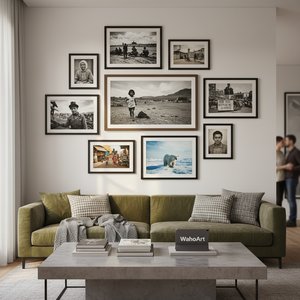
Documentary Photography's Defining Moments: 10 Masterpieces for Your Home |
Explore 10 defining documentary photography masterpieces – from Dorothea Lange to Robert Capa. Discover powerful stories, iconic images & timeless art for your home. Museum-quality prints at .

Gordon Parks: A Poetic Lens on American Life – Photography, Social Justice & Storytelling
Explore the profound work of Gordon Parks, a groundbreaking photographer who documented American life with unparalleled empathy and artistry. Discover his iconic images & lasting impact on social justice through Life magazine & beyond.

镜头下的历史:纪实摄影的诞生、演变与艺术价值
探索纪实摄影的历史与艺术价值!OriginalUniqueArt 提供高品质手绘油画复制品及定制服务,让您收藏经典作品。专业团队为您甄选,值得信赖的艺术品平台。
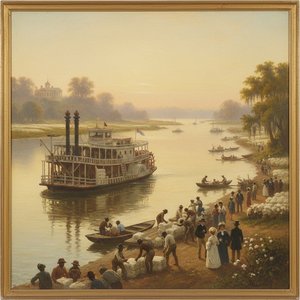
William Aiken Walker: A Southern Luminist's Vision of River Life & Antebellum Society
Explore the evocative paintings of William Aiken Walker, a master of Southern Luminism. Discover his poignant depictions of post-Civil War life, African American culture & antebellum landscapes. Learn about this important artist's legacy.
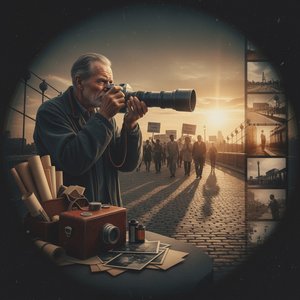
Witnessing History Through Lens & Light: Documentary Photography's Enduring Legacy
Explore the powerful history of documentary photography – from its origins to contemporary masters like Gordon Parks & W. Eugene Smith. Discover how this art form shapes our understanding of society and witness pivotal moments in time.