

 实景预览
实景预览
 发送
发送 分享
分享
 详情
详情 指南
指南

 下载图片
下载图片
 相似作品
相似作品 X射线
X射线 幻灯片播放
幻灯片播放 统计数据
统计数据Bleaching Cloth
 Oil
Oil- WallArt
- Native art
 1930
1930- Modern
 63.0 x 73.0 cm
 National Gallery of Bulgaria
 阅读全文
阅读全文
手工油画复制品
由我们的艺术家按需定制,为您提供您所选尺寸及画框的布面手工油画。 ( 切换至版画销售渠道 切换至数字图像销售渠道)




P118B $10

P118H $10

P118W $10

P438Z $10

P508JH $12

P508YH $12

P805H $10

P805Z $10

P919BZ $10

P919G $10

P919XJ $10

P959ZH $10

P968JZ $12

W106C $8

W218G $10

W218JH $8

W218Y $10

W307PJ $10

W316G $10

W316PJ $8

W316Y $10

W398PJ $8

W4111J $10

W500HY $15

W500JH $15

W692G $12

W849H $8

W940BG $15

W953PJ $8




您可以从与原作比例一致的预设尺寸中进行选择。

您可以输入自定义尺寸,以适配特定的画框或空间。如果所选尺寸与原图比例不符,我们将通过裁剪作品或添加手绘元素来扩展画面。数字样稿将在制作开始前发送给您确认。
请注意,屏幕预览无法准确反映实际的裁剪或扩展效果,只有样稿才能真实呈现最终的构图。
虽然我们提供定制尺寸服务,但为了保留原作比例,建议您从预设列表中选择尺寸。
下单后,OriginalUniqueArt.com 团队将通过电子邮件联系客户获取具体要求,并提供效果预览图


 玻璃选项仅适用于110厘米以下的尺寸。

Bleaching Cloth
复制品材质
复刻品尺寸说明
-


总计金额
$ 300
A Vision of Bulgarian Soul: The Lyrical World of Vladimir Dimitrov
In the quiet, sun-drenched landscapes of early 20th-century Bulgaria, few artists captured the heartbeat of the nation as intimately as Vladimir Dimitrov, affectionately known as Maystora. His masterpiece, Bleaching Cloth, serves as a profound window into the "Native art" movement, where the boundaries between the human spirit and the earth itself begin to blur. Created in 1930, this painting is not merely a depiction of rural labor; it is a poetic meditation on community, tradition, and the rhythmic beauty of everyday existence. As a central figure of Bulgarian modernism, Dimitrov possessed an extraordinary ability to elevate the mundane into the monumental, using a palette that vibrates with life and a technique that feels both grounded and ethereal.
The composition centers on a striking portrait of a woman, her gaze meeting the viewer with a quiet, penetrating strength. Clad in a traditional headscarf, she stands as a sentinel of her culture, positioned before a gathering of figures that suggest a shared moment of communal purpose. The scene is rich with the textures of village life—the presence of benches, a simple bucket, and a discarded handbag all ground the painting in a tangible reality. Yet, there is a dreamlike quality to the arrangement; the way the figures are layered creates a sense of depth that pulls the observer into their shared world, making one feel less like a distant spectator and more like an invited guest to this timeless gathering.
Technique and the Radiance of Color
What distinguishes Bleaching Cloth is Dimitrov’s masterful use of color and form. Moving away from the rigid academic realism of his early training, the artist embraced a more decorative and lyrical approach. He employs intense, saturated hues that breathe warmth into the canvas, reflecting his deep connection to the Bulgarian landscape. The brushwork, while controlled, possesses a fluid vitality that emphasizes the organic shapes of the subjects. This stylistic choice allows the light to seem as though it is emanating from within the figures themselves, rather than merely falling upon them.
For the discerning collector or interior designer, this piece offers a sophisticated balance of bold visual impact and soothing emotional resonance. The painting’s ability to command attention through its vibrant tones makes it an ideal centerpiece for spaces that require a touch of cultural depth and warmth. Whether placed in a contemporary gallery setting or a classic study, a high-quality reproduction of this work brings with it the enduring legacy of "The Master," offering a sense of historical continuity and an appreciation for the profound beauty found in the simplest of human endeavors.
艺术家简介
Edward Hopper: The Solitude of the American Landscape
Edward Hopper (1882-1967) remains one of America’s most enduring and enigmatic figures in art history. More than just a painter, he was a keen observer of modern life, capturing the quiet loneliness and subtle dramas unfolding within the increasingly urbanized landscapes of early 20th-century America. Born in Nyack, New York, to a comfortable middle-class family with Dutch ancestry, Hopper’s artistic journey began modestly but ultimately led him to international recognition and a place among the giants of American realism.
Hopper's early life was marked by a supportive environment that nurtured his nascent talent. He initially studied illustration at the Correspondence School of Illustrating in New York City before enrolling at the New York School of Art under the tutelage of William Merritt Chase and Robert Henri. These formative influences shaped his approach to art, encouraging him to move beyond mere representation and explore the emotional resonance of his subjects. Henri’s emphasis on depicting “everyday conditions” proved particularly influential, pushing Hopper to find narrative depth within commonplace scenes.
Hopper's artistic development was punctuated by several significant trips abroad – Paris in 1906-7, Paris again in 1909, and a brief visit to Spain the following year. These experiences exposed him to European art movements, notably Impressionism and Post-Impressionism, particularly the work of Edgar Degas and Édouard Manet. He was drawn to their compositional techniques and their ability to capture fleeting moments and urban life with remarkable clarity. However, Hopper resisted fully embracing the radical innovations of Cubism or Fauvism, instead distilling these influences into a uniquely American style characterized by stark realism, precise detail, and an evocative use of light and shadow.
The Palette of Isolation
Hopper’s signature style is instantly recognizable. He masterfully employed a limited palette—often dominated by muted blues, grays, and browns—to create a sense of stillness and introspection. His compositions frequently feature solitary figures within expansive spaces – diners at late hours, train stations deserted after dark, or apartments overlooking bustling city streets. These scenes are imbued with a profound sense of loneliness and isolation, reflecting the anxieties and uncertainties of modern life.
A key element of Hopper’s technique was his careful manipulation of light. He used it not merely to illuminate subjects but to shape mood and create dramatic contrasts between darkness and shadow. This chiaroscuro effect heightened the emotional impact of his paintings, drawing the viewer's eye to specific details and suggesting unspoken narratives.
His most famous work, *Nighthawks* (1942), exemplifies this approach perfectly. The painting depicts four figures in a brightly lit diner at night, surrounded by an empty urban landscape. The scene is both inviting and unsettling, conveying a sense of isolation and vulnerability. The lack of visible entry points to the diner further emphasizes the characters’ confinement and their detachment from the outside world.
Themes and Influences
Hopper's work consistently explored themes of loneliness, alienation, and the tension between tradition and progress. He was particularly interested in depicting the experiences of individuals navigating the complexities of modern American society – the quiet desperation of urban dwellers, the yearning for connection amidst vast distances, and the sense of displacement that often accompanies rapid social change.
Beyond his artistic influences, Hopper drew inspiration from literature, music, and photography. He was a devoted admirer of writers like Henry James and Dostoevsky, whose works explored themes of psychological complexity and existential angst. His paintings frequently evoke the atmosphere of novels and films, creating a cinematic quality that resonates with viewers.
Legacy and Recognition
Despite initial resistance from some critics, Hopper’s work gradually gained recognition throughout his career. He achieved widespread acclaim in the 1930s and 1940s, becoming one of America's most celebrated artists. His paintings are now housed in major museums around the world, including the Metropolitan Museum of Art, the Museum of Modern Art, and the National Gallery of Art.
Hopper’s influence on subsequent generations of American artists is undeniable. His exploration of urban landscapes, his masterful use of light and shadow, and his poignant portrayal of human emotion continue to resonate with viewers today. He remains a powerful symbol of American realism and a testament to the enduring appeal of quiet contemplation in an increasingly chaotic world.

vladimir dimitrov - maystora
1882 - 1960 , Bulgaria
快速概览
- Artistic Movement Or Style: Realism, American Realism
- Artists Or Movements Influenced By This Artist:
- Umberto Boccioni
- George Bellows
- Artists Who Influenced This Artist:
- William Merritt Chase
- Robert Henri
- Date Of Birth: July 22, 1882
- Date Of Death: May 15, 1967
- Full Name: Edward Hopper
- Nationality: American
- Notable Artworks:
- Nighthawks
- Automat
- Office in a Small City
- Place Of Birth: Nyack, New York, USA
相关文章
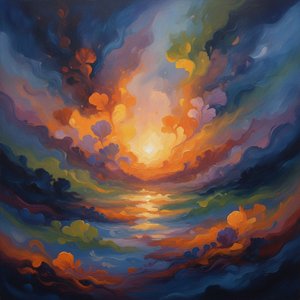
The Soul of Color: A Journey into the Emotional Resonance of Lyrical Abstraction
Embark on a cultural journey through Lyrical Abstraction. Explore how masters like Kandinsky used color and motion to translate emotion into visual poetry. Discover the profound beauty of abstract expressionism and learn to curate emotional resonance in your own art collection.
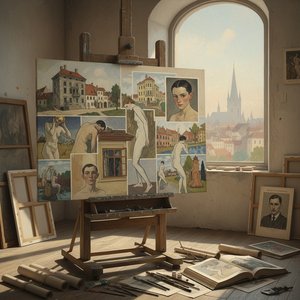
埃贡·席勒:25幅震撼人心的杰作,艺术与灵魂的深度探索 | OriginalUniqueArt
探索埃贡·席勒25幅震撼人心的杰作!深入了解这位表现主义大师的绘画技巧、情感表达与生命哲思。OriginalUniqueArt.com提供高品质艺术复制品,为您的室内设计带来经典之美。立即在线探索完整系列!
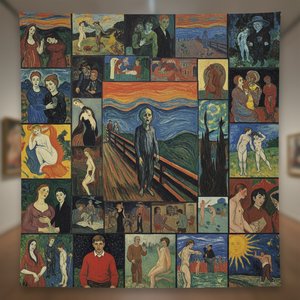
爱德华·蒙克25幅杰作:探索焦虑与灵魂深处的艺术之旅 | OriginalUniqueArt
探索爱德华·蒙克25幅传世杰作,感受表现主义大师笔下的焦虑与灵魂深处。高清油画复制、艺术品购买及室内装饰灵感尽在OriginalUniqueArt.com!发现更多经典名画。
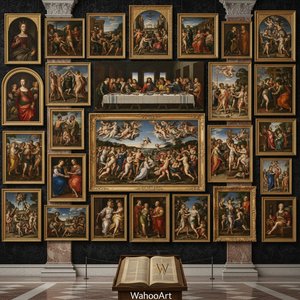
丁托列托25幅杰作:威尼斯光影大师的艺术传奇 | OriginalUniqueArt
探索丁托列托25幅杰作:深入了解这位威尼斯光影大师的艺术传奇!从宗教绘画到神话故事,感受文艺复兴与巴洛克风格的完美融合。OriginalUniqueArt.com提供高清艺术复制品和家居装饰灵感,点亮您的生活空间。立即探索完整系列!
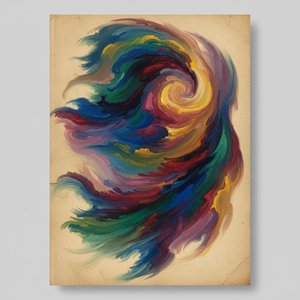
Lyrical Abstraction: The Art of Capturing Emotion Through Color, Flow, and Fluidity
Explore the profound beauty of Lyrical Abstraction. Discover how master artists use color, flow, and impasto texture to evoke deep emotion, offering sophisticated insights for discerning art collectors seeking to enrich their collections with evocative, modern masterpieces.