

 实景预览
实景预览
 发送
发送 分享
分享
 详情
详情 指南
指南

 下载图片
下载图片
 相似作品
相似作品 X射线
X射线 幻灯片播放
幻灯片播放 统计数据
统计数据The Dead Christ
 Oil On Canvas
- WallArt
- Baroque Revival
 1520
1520 145.0 x 185.0 cm
 柏林州立博物馆
 阅读全文
阅读全文
手工油画复制品
由我们的艺术家按需定制,为您提供您所选尺寸及画框的布面手工油画。 ( 切换至版画销售渠道 切换至数字图像销售渠道)




P118B ¥10

P118H ¥10

P118W ¥10

P438Z ¥10

P508JH ¥12

P508YH ¥12

P805H ¥10

P805Z ¥10

P919BZ ¥10

P919G ¥10

P919XJ ¥10

P959ZH ¥10

P968JZ ¥12

W106C ¥8

W218G ¥10

W218JH ¥8

W218Y ¥10

W307PJ ¥10

W316G ¥10

W316PJ ¥8

W316Y ¥10

W398PJ ¥8

W4111J ¥10

W500HY ¥15

W500JH ¥15

W692G ¥12

W849H ¥8

W940BG ¥15

W953PJ ¥8




您可以从与原作比例一致的预设尺寸中进行选择。

请输入您需要的宽度和高度,以适配您的画框或墙面。由于作品为手工绘制,若您选择不同的尺寸比例,艺术家可能会在画面边缘多画一些或稍作裁剪 —— 由您决定。在开始绘画之前,我们会为您发送一份数字效果图供您确认。本页面上展示的图片并非最终实物 —— 只有效果图才能反映真实结果。
下单后,OriginalUniqueArt.com 团队将通过电子邮件联系客户获取具体要求,并提供效果预览图


 玻璃选项仅适用于110厘米以下的尺寸。

The Dead Christ
复制品材质
复刻品尺寸说明
-


总计金额
¥ 2016
A Somber Reflection on Mortality: Vittore Carpaccio’s “The Dead Christ”
Vittore Carpaccio's "The Dead Christ," painted circa 1520, stands as a poignant testament to the artistic sensibilities of Venice during the High Renaissance. More than just a depiction of religious iconography—the lifeless body of Jesus cradled by grieving figures—it embodies a profound meditation on death and mourning, reflecting the anxieties prevalent in a period grappling with theological upheaval and humanist inquiry. This monumental canvas (145 x 185 cm) resides within the Gallerie dell’Accademia, offering visitors an unparalleled opportunity to experience Carpaccio's masterful execution of narrative painting.Style and Influences: A Conservative Voice Amidst Change
Carpaccio distinguishes himself from his contemporaries through a remarkably restrained artistic style. Unlike the burgeoning humanist movement that championed classical ideals and vibrant color palettes—evident in works by Giovanni Bellini and Andrea Mantegna—Carpaccio adhered to a more conservative approach, prioritizing clarity of form and emotional resonance over stylistic innovation. His visual vocabulary draws heavily from Antonello da Messina’s influence, particularly his meticulous attention to detail and use of oil paint, alongside early Netherlandish art's emphasis on realism and psychological depth. This confluence resulted in an aesthetic that prioritizes solemn contemplation rather than dramatic spectacle.Technique: The Art of Layered Detail
Carpaccio employed a technique characterized by painstaking layering—a hallmark of Venetian painting at the time—to achieve remarkable textural richness and luminosity. He meticulously built up his composition using thin glazes of oil paint, allowing underlying pigments to subtly interact and create nuanced tonal variations. This method ensured that every surface was rendered with meticulous precision, capturing the contours of Christ’s body and the expressions of sorrowful onlookers alike. The artist skillfully utilized chiaroscuro—the dramatic interplay between light and shadow—to heighten the emotional impact of the scene, directing viewers' gaze towards the central figure and emphasizing the solemn atmosphere.Historical Context: Grief and Remembrance in Renaissance Venice
Painted during a time marked by religious fervor and intellectual debate, “The Dead Christ” speaks to the broader cultural concerns of Renaissance Venice. The depiction of mourning figures—a common motif in devotional art—reflects the pervasive preoccupation with mortality and the desire for spiritual solace amidst uncertainty. Carpaccio’s work aligns itself with the theological debates surrounding indulgences and papal authority, subtly conveying a sense of humility before divine judgment. Furthermore, it underscores the importance of remembrance and veneration within Christian tradition.Symbolism: The Body as Emblematic Representation
The central image—the crucified Christ—serves as an enduring symbol of sacrifice and redemption. Carpaccio’s portrayal emphasizes the physicality of Christ's suffering, grounding the theological narrative in tangible reality. The surrounding figures—primarily mourners—represent humanity grappling with grief and loss, mirroring the universal experience of mortality. Their gestures of compassion and sorrow underscore the importance of empathy and spiritual contemplation. The inclusion of a tree nearby – a traditional symbol of life and resurrection – subtly reinforces the overarching theme of hope amidst despair.Emotional Impact: A Profound Meditation on Suffering
“The Dead Christ” transcends mere visual representation; it evokes a powerful emotional response in viewers. Carpaccio’s masterful use of color—primarily muted browns and reds—creates an atmosphere of solemnity and melancholy, mirroring the profound sorrow experienced by those witnessing the crucifixion. The artist's meticulous attention to detail captures not only the physical appearance of Christ but also the psychological state of his mourners, fostering a sense of empathy and prompting reflection on themes of faith, grief, and human vulnerability. It remains an enduring masterpiece—a poignant reminder of humanity’s capacity for compassion and its unwavering belief in spiritual transcendence.问答详情
"The Dead Christ" 的版画推荐用于何处?
"The Dead Christ" 艺术复制品的推荐用途为 Statement。
"The Dead Christ" 的色彩之间是如何相互关联的?
"The Dead Christ" 的色彩和谐度记录为 Strong Color Unity。
是否可以下载"The Dead Christ"的高分辨率版本?
若想获取 维托·卡尔帕乔 的《The Dead Christ》 的数字版文件,请前往其 数字图像 页面进行 高分辨率数字图像下载。
艺术家简介
早年生活与学徒时期
维托里·卡尔帕乔,一位杰出的意大利画家,大约于1465年出生在威尼斯。他师从威尼斯画派著名的艺术家詹蒂莱·贝利尼。这段学徒生涯为卡尔帕乔未来的成功奠定了坚实的基础。艺术风格与影响
卡尔帕乔的风格以其保守的特质而著称,在他生前,它很少受到改变意大利文艺复兴绘画的人文主义潮流的影响。他的作品深受安东内洛·达·梅西纳的风格和早期尼德兰艺术的影响。这种独特的风格融合,成就了他威尼斯画派中一种别具一格的表达方式。著名作品
- 《圣乌尔苏拉传说》,这一系列由九幅画组成,是卡尔帕乔最著名的作品。该系列现藏于学院美术馆,充分展示了他叙事绘画的精湛造诣。
- 《圣乌尔苏拉荣光祭坛画》(1491年)展现了卡尔帕乔捕捉光影与色彩的天赋,让人联想起乔瓦尼·贝利尼的笔触。
- 《里亚托桥圣物奇迹》(1494年)则突显了卡尔帕乔在平衡构图与叙事性方面的非凡能力。
职业生涯亮点与艺术遗产
- 卡尔帕乔的主要作品创作于1490年至1519年间,这使他在威尼斯文艺复兴早期大师行列中占据一席之地。
- 他所展现的东方主义风格,如《圣乔治洗礼塞莱尼特人》中所见,反映出他对黎凡特地区新生的迷恋与向往。
- 与他的同时代艺术家,如乔瓦尼·贝利尼或乔尔乔尼相比,卡尔帕乔的作品在世人眼中似乎略显被忽视。
参考资料与深入阅读
欢迎在OriginalUniqueArt上探索维托里·卡尔帕乔和威尼斯画派的更多奥秘。
维托·卡尔帕乔
1465 - 1526 , 意大利
快速概览
- Artistic Movement Or Style: 早期威尼斯文艺复兴
- Artists Or Movements Influenced By This Artist: ['早期尼德兰绘画']
- Artists Who Influenced This Artist:
- 安东内洛·达·梅西纳
- 詹蒂莱·贝里尼
- Date Of Birth: 意大利威尼斯(约 1465年)
- Date Of Death: 1526年
- Full Name: 维托里·卡尔帕乔
- Nationality: 意大利
- Notable Artworks:
- 圣乌尔苏拉传说
- 圣乌尔苏拉荣耀祭坛画
- 里亚托桥上的十字架遗物奇迹
- Place Of Birth: 威尼斯
相关文章
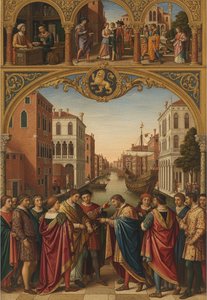
Vittore Carpaccio: Venetian Renaissance Narrative & the Poetics of Detail
Explore the captivating world of Vittore Carpaccio, a master storyteller of the Venetian Renaissance. Discover his intricate details, narrative cycles like 'The Legend of St. Ursula,' and unique artistic style.

The Enduring Power of Painting: A Historical & Contemporary Exploration of Form and Emotion
Explore the rich history & enduring techniques of oil painting with OriginalUniqueArt. Discover masterpieces, learn about art collecting, and find authentic handmade reproductions crafted by skilled artists.
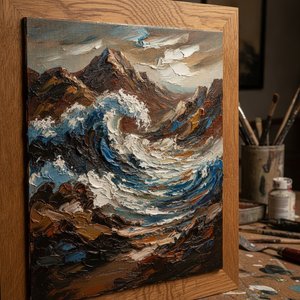
Oil on Panel: The Ultimate Guide to Bold, High-Impact Texture & Depth
Master the art of impact with our expert guide to oil on panel. Discover how impasto textures and heavy-body pigments create 3D depth and bold visual energy for modern interiors. Elevate your space with high-impact, hand-painted masterpieces designed for maximum aesthetic punch.

The Enduring Legacy of Oil on Canvas: Technique, History & Aesthetic Impact
Explore the rich history & techniques of oil painting – from Renaissance masters to Impressionism. Discover pigments, layering methods, and why this timeless medium endures. Expert insights for artists & art enthusiasts.

Oil on Canvas: A Historical & Technical Exploration of a Timeless Artistic Medium
Explore the rich history & enduring techniques of oil painting on canvas. Discover the science behind its longevity, conservation practices, and contemporary relevance. Expert insights for art enthusiasts.
