
 效果预览
效果预览
 购买印刷品
购买印刷品 分享
分享 分享
分享
 详情
详情

 下载
下载
 相似作品
相似作品 X射线
X射线 幻灯片播放
幻灯片播放Man with Rake


 展开详情
展开详情




P118B $10

P118H $10

P118W $10

P438Z $10

P508JH $12

P508YH $12

P805H $10

P805Z $10

P919BZ $10

P919G $10

P919XJ $10

P959ZH $10

P968JZ $12

W106C $8

W218G $10

W218JH $8

W218Y $10

W307PJ $10

W316G $10

W316PJ $8

W316Y $10

W398PJ $8

W4111J $10

W500HY $15

W500JH $15

W692G $12

W849H $8

W940BG $15

W953PJ $8




从与原作比例一致的预设尺寸中进行选择。

您可以输入自定义尺寸,以适配特定的画框或空间。如果所选尺寸与原图比例不符,我们将通过裁剪作品或添加手绘元素来扩展画面。数字样稿将在制作开始前发送给您确认。
请注意,屏幕预览无法准确反映实际的裁剪或扩展效果,只有样稿才能真实呈现最终的构图。
虽然我们提供定制尺寸服务,但为了保留原作比例,建议您从预设列表中选择尺寸。
下单后,OriginalUniqueArt.com 团队将通过电子邮件联系客户获取具体要求,并提供效果预览图。


 玻璃选项仅适用于110厘米以下的尺寸。

Man with Rake
复制材质
复制品尺寸
-


最终总价
$ 300
作品详情
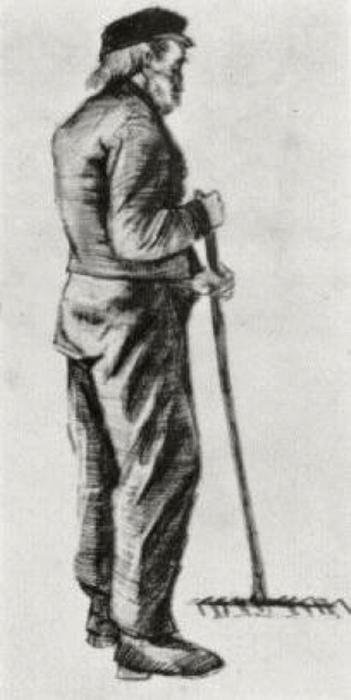
A Portrait of Rural Labor: Van Gogh’s “Man with Rake”
Vincent van Gogh's "Man with Rake," painted in 1883, offers a profoundly intimate glimpse into the life and labor of rural Holland – a subject that would become increasingly central to his artistic explorations during this pivotal year. This seemingly simple depiction, rendered in stark black and white, transcends mere observation; it’s a carefully constructed meditation on human connection, the rhythms of agricultural work, and the burgeoning emotional intensity that defined Van Gogh's developing style. The drawing captures a solitary figure, identified as a peasant farmer, engaged in the mundane yet vital task of raking grass. His weathered face, framed by a worn hat and a neatly trimmed beard, speaks volumes about resilience and quiet dignity. The man’s posture – slightly slumped, absorbed in his work – immediately evokes empathy, inviting us to contemplate the hardships and simple pleasures of rural existence.
Technique and Composition: A Study in Contrast
Executed with Van Gogh's characteristic impasto technique, though less overtly vibrant than his later works, “Man with Rake” demonstrates a growing mastery of texture and form. Notice the deliberate layering of charcoal and chalk, creating a tactile surface that emphasizes the roughness of the man’s clothing and the unevenness of the ground. The composition itself is carefully balanced, drawing the eye initially to the plow in the foreground – a symbol of agricultural progress and the farmer's connection to the land. The placement of the man beside it creates a compelling visual dialogue; he isn’t simply *working* alongside the plow, but rather observing it, perhaps contemplating its role within the broader cycle of nature. The inclusion of two other figures in the background – one near the center-left and another further back on the right – subtly suggests a community, hinting at the social fabric that underpinned rural life, a theme Van Gogh would revisit throughout his career.
Historical Context: The Rise of Social Realism
“Man with Rake” was created during a period of significant social and artistic change. Following the Franco-Prussian War, there was a growing interest in depicting the lives of ordinary people – particularly laborers – as a response to idealized representations of nobility and heroism. This burgeoning movement towards social realism, exemplified by artists like Gustave Courbet, influenced Van Gogh’s decision to focus on the working class. The Netherlands at this time was undergoing rapid industrialization, yet rural life remained deeply rooted in tradition. Van Gogh's choice to portray a farmer engaged in traditional labor reflects his desire to capture a vanishing way of life – a poignant observation before the dramatic shifts that were about to reshape Dutch society.
Symbolism and Emotional Resonance
Beyond its straightforward depiction, “Man with Rake” is laden with symbolic weight. The rake itself represents order and control amidst the chaos of nature; it’s an attempt to impose a sense of structure on the untamed landscape. The man's solitary activity speaks to themes of isolation and introspection – emotions that would become increasingly prominent in Van Gogh’s oeuvre. The drawing’s monochrome palette further amplifies this emotional intensity, stripping away any distractions and focusing solely on the raw essence of human experience. It is a powerful reminder of Van Gogh’s ability to find profound meaning in the most unassuming subjects, transforming them into vehicles for exploring the complexities of the human spirit.
艺术家简介
文森·梵高的生命:色彩与激情
文森·梵高,一个与鲜艳的色彩和原始的情感紧密相连的名字,是西方艺术史上最负盛名、也最具影响力的代表人物之一。他于1853年3月30日出生在荷兰的桑德特小镇,从一位寻求人生目标的困惑青年到一位富有远见的艺术大师,他的旅程是一曲献给奉献、挣扎和持久遗产的动人赞歌。尽管生前商业上几乎未获得成功——在他去世之前仅售出一幅《红葡萄园》画作——梵高的影响在现代艺术领域是不可估量的,他为表现主义开辟了道路,并激励了无数追随者。他的故事不仅仅关乎笔触和画布;它证明了人类情感表达的力量,即使面对逆境也能绽放光彩。早年与艺术觉醒
梵高的早期生活充满了未竟的抱负。在最终投身绘画之前,他尝试过各种职业——艺术品经销商、教师,甚至传教士。这些早期的经历深刻地塑造了他的世界观,并体现在他的作品中。他最初的作品描绘了比利时乡村农民的生活场景,反映了他对劳动人民深切的同情以及反映他们困苦生活的沉郁色彩。在艺术家如让·米勒的影响下,梵高试图通过朴素的现实主义来捕捉这些人的尊严和韧性。然而,1886年他搬到巴黎,成为了一个转折点。在那里,他接触了印象派和后印象派,吸收了莫奈、雷诺阿和毕沙罗等大师的技术。这种接触拓宽了他的艺术视野,促使他尝试更鲜艳的色彩和更自由的笔触,尽管仍然保留着许多当代艺术家所缺乏的独特情感强度。他的弟弟提奥,一位艺术品经销商,在这个时期发挥了至关重要的作用,提供了经济支持并作为巴黎艺术世界的关键纽带。他们广泛的通信为梵高的艺术发展和个人挣扎提供了宝贵的见解。南方的光芒与爆发性的创造力
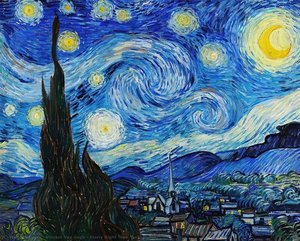
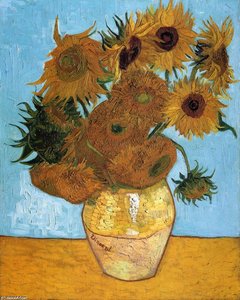
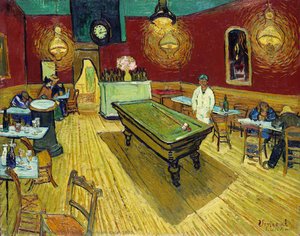
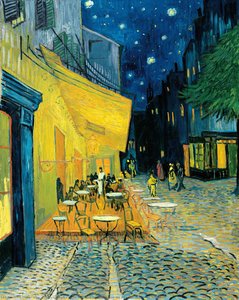
为了寻求更充满活力的景观和一种新的精神,梵高于1888年搬到了法国普罗旺斯的阿尔勒。这一举动标志着一个创作高峰期,以色彩的爆发和独特的厚涂技法为特征——将颜料厚厚地涂在画布上,创造出似乎充满能量的纹理表面。正是在这里,他创作了一些最具代表性的作品:《向日葵》、《夜咖啡馆》和《星空》。普罗旺斯强烈的阳光似乎点燃了他的想象力,促使他以前所未有的活力来描绘景观和静物。他对艺术合作的渴望促使他邀请保罗·高更加入阿尔勒,希望建立一个乌托邦艺术家殖民地。然而,他们的关系却变得紧张,最终导致梵高割掉了自己的耳朵。这一事件突显了他精神状态的脆弱性,并标志着住院治疗和日益加剧的心理痛苦的开始。后期岁月与持久的遗产
在崩溃之后,梵高自愿进入圣雷米的疗养院,在那里他继续大量绘画,既描绘了周围的景观,又展现了美丽与动荡。在此期间创作的作品,如《星空》,充满了宇宙奇迹和深刻的情感深度。后来,他在保罗·加歇医生的照料下搬到了于韦尔-叙瓦兹,但他的挣扎依然存在。1890年7月29日,梵高在37岁时,因自杀枪伤而悲惨地去世。尽管生前几乎没有得到认可,他的作品在去世后开始获得赞誉,这主要归功于他妹妹夫人的约翰娜·范·戈格-邦格的努力,她继承了他的遗产并致力于推广他的艺术。如今,梵高的画作因其情感强度、创新技术和持久的美丽而风靡全球。他的遗产超越了画布;他已成为艺术激情、在逆境中坚持不懈以及艺术表达最深层人类情感力量的象征。关键影响与艺术发展
- 早期现实主义: 让·米勒对农民生活的描绘影响了梵高的早期作品。
- 印象派和后印象派: 在巴黎接触莫奈、雷诺阿、毕沙罗等艺术家拓宽了他的调色板和技巧。
- 日本版画: 梵高对日本木刻版画有着浓厚的兴趣,他热衷于收集这些作品。它们大胆的构图和平面的色彩影响了他自己的风格。
- 情感表达: 最重要的是,梵高试图通过他的艺术来传达情感,优先考虑主观体验而非客观再现。这种对情感强度的关注成为了他作品的一个定义特征,并为表现主义铺平了道路。
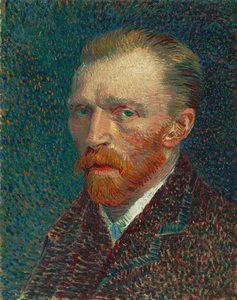
文森特·梵高
1853 - 1890 , 荷兰
艺术家简介
- 全名: 文森特·威廉·梵高
- 出生地点: 赞德尔特,荷兰
- 出生日期: 1853年3月30日
- 去世日期: 1890年7月29日
- 受影响的艺术流派:
- 表现主义
- 野兽派
- 国籍: 荷兰
- 影响艺术家:
- 伦勃朗·凡·莱因
- 让-弗朗索瓦·米勒
- 艺术流派: 后印象主义
- 著名作品:
- 《土豆吃者》
- 《向日葵》
- 《星夜》
- 《夜间咖啡馆》
相关文章
梵高25幅杰作:艺术、情感与家居装饰的灵感之源 | OriginalUniqueArt
探索文森特·梵高25幅杰作!深入了解《星夜》、《向日葵》等经典作品背后的故事与艺术技巧。OriginalUniqueArt.com提供博物馆品质的油画复制品,为您的家居带来后印象派的色彩与灵感。立即在线探索完整系列。

White on Canvas: 10 Masterpieces & Timeless Elegance for Your Home Decor
Explore 10 iconic white paintings by Monet, Whistler & Rothko! Discover the stories behind these serene masterpieces and their impact on art history. Find museum-quality reproductions for your home decor at .

Dark Masterpieces: 10 Iconic Paintings Dominated by Black Tones |
Explore 10 iconic paintings dominated by black tones, from Rembrandt’s chiaroscuro to Goya's dark expressions. Discover the stories behind these masterpieces & find museum-quality art reproductions for your home at .

伦勃朗25幅杰作:光影大师的艺术传奇与家居臻选
探索伦勃朗25幅杰作,领略荷兰黄金时代光影大师的艺术传奇!从《夜巡》到自画像,深入了解巴洛克艺术、历史绘画与人物肖像背后的故事。OriginalUniqueArt.com提供高清艺术复制品及家居装饰灵感。立即探索完整系列!
Decoding Van Gogh's Turmoil: OriginalUniqueArt’s Masterful Reproductions of Emotional Depth
Discover exquisite Van Gogh reproductions from OriginalUniqueArt – expert art specialists offering museum-quality prints & custom paintings. Trust our authentic process and elevate your collection today.




![鸢尾花 [1889]](/media/artworks/images/thumbnails/17/b6/17b64e9e1ede40baae0afe5972aa8de0.jpg)



